Leave Your Message

Blog

How to Repair LED Street Lights in 2026?

How to Repair LED Street Lights in 2026?

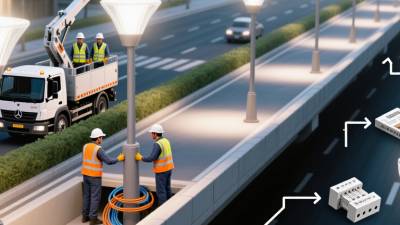
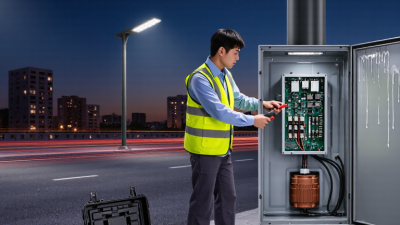
How to repair LED street lights? It starts with a pretty simple truth: darkness rarely tells you which part actually failed. You might see a dead LED board and assume that's the problem, but the real culprit could be hiding in the driver, surge protector, photocell, connector, or even the underground cable. The International Energy Agency noted in its 2024 Energy Efficiency report that lighting is still a huge electricity load around the world. And the U.S. Department of Energy's 2023 Solid-State Lighting R&D Opportunities report keeps pointing to reliability, thermal management, and smart controls as ongoing priorities. Dr. Nadarajah Narendran, a lighting researcher at Rensselaer Polytechnic Institute, puts it plainly: "LED lighting is a system, not simply a light source." Honestly, that one line should guide every inspection. A good technician cuts the power, takes photos of the wiring, checks driver output, and looks at brown connectors, cracked seals, and blocked heat fins. Water marks inside the housing? Those matter. A loose neutral? That matters too. Not every dark lamp needs a fresh LED module. Sometimes it just needs patience. A repair log should include voltage, ambient temperature, fault codes, replacement parts, and the final light level. You should also compare beam direction and glare with the original design—not just whether the lamp turns on. Real streets are messy. A Street Light Street Light setup may have mixed generations, undocumented repairs, or bad cable joints. This guide respects that uncertainty. It gives you a practical method, but field judgment still matters when you spot corrosion, heat damage, or repeated surge issues.
Read more »
Liam By:Liam - October 12, 2026
How To Install China Top Solar Garden Lights?

How To Install China Top Solar Garden Lights?

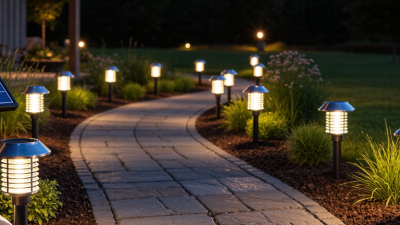
Putting in top-notch solar garden lights from China can turn a dark path into a warm, useful outdoor spot. But getting great results is about more than a pretty box. The panel still needs direct sun, stable soil, and plenty of space from walls, trees, and bright night lights. Dr. Steven Zhu, a solar lighting engineer with over fifteen years in the field, puts it simply: 'A solar light performs only as well as its daily exposure and installation details.' That’s basically the main lesson in How To Install Solar Garden Lights: figure out the spot before you jam the stake into the ground. Check the battery compartment, tighten the connections, peel off the protective film, and let each unit charge in clear daylight. And don’t force fragile plastic parts. Little things matter. Mark the pathway first. Space each light out evenly. Push the stake into softened soil—not rock-hard ground. For Metal Solar Garden Lights, check the coating and drainage holes before installing, especially if you’re in a coastal or rainy area. A sealed housing helps, sure, but it can’t fix bad placement. The process looks easy. It isn’t always. Even folks who install these all the time can miss seasonal shade. A spot that gets sun in June might be shaded in winter. I’ve also seen good-looking lights put too close together, making glare instead of soft guidance. Before you pick a supplier like SunRay Garden Lighting, look at battery type, lumen output, water-resistance details, and replacement-part support. Test one light overnight first. That little trial can expose a weak charging angle, an off color temperature, or a design you may want to rethink.
Read more »
Isabella By:Isabella - October 7, 2026
7 Best Methods How To Convert Street Light To LED?

7 Best Methods How To Convert Street Light To LED?

Switching out a regular street light for an LED one isn’t just about swapping the bulb – it’s a bit more involved than that. Doing the upgrade can really slash energy bills and make nighttime visibility a whole lot better. But here’s the thing: it’s not just about changing the lamp itself. You’ve gotta pay attention to the fixture, wiring, control systems, the pole’s condition, and even how the light spreads out. This guide walks you through seven practical ways that maintenance crews and lighting pros typically use to make the switch happen smoothly. Expect some straightforward advice and clear decision points along the way. Most projects kick off with a quick site visit. Technicians will take a close look at the housing, check the photocell, electrical connections, mounting arm, and voltage levels available. Sometimes they snap photos of corrosion near the pole base or measure how bright the street actually is underneath. These little details often uncover issues that a simple retrofit might hide. Many also compare LED options based on wattage, color temperature, beam angle, and surge protection. You might see the phrase Street Light Street Light popping up in search notes, but honestly, the real focus is choosing a safe, compatible system that fits your needs. This article stresses the importance of following manufacturer instructions, relying on documented testing, and making sure your electrical work is done by qualified folks. It also breaks down how to evaluate retrofit kits, when to go for a full fixture replacement, and options like adaptive controls or solar-assisted systems. Oh, and don’t forget to keep good records—they really do matter. Keep in mind that not every street or area is a perfect fit for the same approach. Narrow lanes, coastal roads, or historic districts might need special equipment or permissions. It’s totally okay to admit those limitations – no one-size-fits-all solution exists here. Really reliable results come from checking out the actual site conditions, rather than just copying a catalog spec. By understanding the installation process, potential maintenance issues, costs, and common pitfalls, you’ll be better equipped to plan a simple, dependable LED upgrade. In the end, the goal isn’t just to brag about a fancy upgrade—it’s about making a real, practical improvement that lasts.
Read more »
Ethan By:Ethan - October 1, 2026
How Long Do LED High Bay Lights Last?

How Long Do LED High Bay Lights Last?

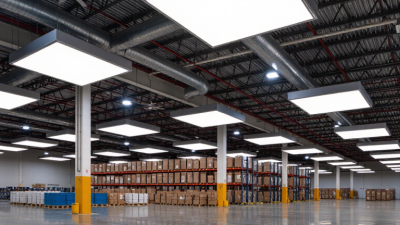
So, you're wondering how long those LED high bay lights really last, huh? Well, it’s not just about the number printed on the box. Sure, many commercial high bay fixtures are rated somewhere between 50,000 to 100,000 hours, but keep in mind—those figures are based on specific testing conditions. That doesn’t mean every single fixture is gonna last that long without a hitch. If your warehouse has lights running for about 12 hours a day, that’s a whole different ballgame compared to a space that’s only lit occasionally. Things like heat, dust, vibrations, how often you switch them on and off, and the quality of the driver all play a role in how long they’ll actually last. In the real world, factors like a hot ceiling space or clogged ventilation can cut down that lifespan pretty quickly. Plus, you might notice the light getting dimmer before it actually stops working. So, don’t just go by those shiny hours ratings—look into lumen maintenance data, warranty details, and make sure you know what kind of LED driver is in there. Sometimes, it’s the little things that make all the difference. This guide is here to help you understand how to read those ratings, what can shorten the life of your lights, and what signs to look out for when it’s time for maintenance. Keeping a simple log of installation dates and any issues can actually help you spot patterns that a product label just can’t tell you. Of course, every site is a little different, so take that with a grain of salt. We're also differentiating between high bay lights and other things like long LED wall lights, which work in different environments and face their own challenges. With realistic expectations, managers can plan inspections, replacements, and budgets more confidently, instead of constantly playing catch-up.
Read more »
Isabella By:Isabella - September 26, 2026
China Best Solar Garden Lights Are They Any Good?

China Best Solar Garden Lights Are They Any Good?

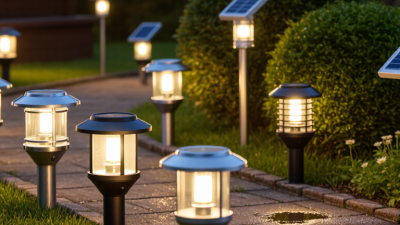
Are solar garden lights actually worth it? Well, it really depends on what you're expecting from them. Products made in China can give off a cozy, warm glow along your pathway, cut down on wiring hassle, and run without needing grid power. That said, the quality can really vary depending on the seller. You might see a cheap light looking great online, only to find it gives off a faint blue glow after midnight—that’s pretty common. Dustin Mulvaney, who’s an environmental studies professor and solar energy researcher, once said, “Solar power works best when the technology fits the place.” And that’s especially true here. Your garden light needs good sunlight, a reliable battery, and weatherproofing. If your spot is shaded by a balcony or surrounded by thick trees, the charging will suffer big time. Also, during the short winter days, weaker designs tend to show their true colors. In our review of the China Best Solar Garden Lights—Are They Any Good?—we’re not just judging by those pretty product photos. Nope, we’re diving into the details—panel size, battery type, lumen output, weather resistance, and how easy it is to replace parts. For example, metal solar lights might seem tougher than plastic ones, but just being metal doesn’t automatically mean they’ll last forever. Rusty screws and poor seals can still cause trouble. Here’s the honest scoop: the results are kind of mixed. Some brands actually keep lighting your yard reliably for years. Others break down after just one season—so it’s a bit of a gamble. We’ll cover brands like Philips, GIGALUMI, and URPOWER, but keep in mind, quality can vary even within the same factory batch. No single brand is perfect, and many factors—like your sunlight exposure, how high you install them, or how well you maintain them—will influence how they perform. Our goal? To give you straight-up, practical info, not just hype or exaggerated claims.
Read more »
Isabella By:Isabella - September 22, 2026
How To Mount LED Flood Light China Best Supplier Guide

How To Mount LED Flood Light China Best Supplier Guide

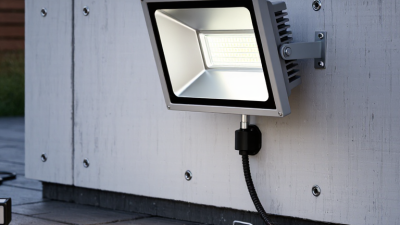
Picking out the right LED flood light is just one piece of the puzzle when it comes to setting up reliable outdoor lighting. In this guide, I'll walk you through how to mount your LED flood light safely, clearly, and with practical tips that are easy to follow. Whether you're a homeowner, a contractor, or just comparing the best suppliers from China, it’s important to know what to look for. A good supplier shouldn’t just have nice product photos—they should provide accurate specs, step-by-step installation instructions, quality testing info, and quick, helpful support after you buy. Remember, the actual performance hinges on things like heat management, waterproof protection, beam angle, and making sure everything works with your electricity setup. Before you get started, take a moment to inspect all parts—check out the light itself, the cable, the mounting bracket, screws, and seals. Make sure the voltage matches your house power. Also, double-check the IP rating to ensure it can handle rain, dust, and outdoor conditions. If you're installing a wall-mounted floodlight, it needs a sturdy surface, the right kind of anchors, and enough space to make adjustments later. Mark the holes carefully, then drill according to your wall type. Skimping on anchors can lead to vibration or even the light falling—something folks often overlook but shouldn’t. Always turn off the power before wiring anything up. If you're not confident with electrical work, it's better to get a professional involved. Make sure to ground the fixture properly, protect cable entries, and keep connectors away from water. Once everything’s wired up, aim the light at the area you want to illuminate—avoid pointing it towards windows or streets where glare could be a problem. It’s a good idea to test it at night and check for any blinding spots or unwanted shadows. Sometimes, you’ll need to make a couple of adjustments to get it just right. A trustworthy supplier will be open to your questions, share testing records, and clearly explain the warranty details. Remember, good lighting isn’t just bright—it’s stable and responsibly installed. Those small details really do make a difference.
Read more »
Isabella By:Isabella - September 18, 2026
How To Fix Solar Street Light Not Working?

How To Fix Solar Street Light Not Working?

Sometimes, a solar street light just stops working quietly, leaving a dark patch on your driveway, street, or parking lot. Figuring out how to fix a solar street light that’s not working usually starts with taking a deep breath and doing a calm, step-by-step check. The issue could be anything—maybe the battery, the solar panel, the LED lamp, the controller, the sensor, or even a loose wire. All these parts play a role in making the light work, especially after bad weather like cloudy days, heavy rain, or if it’s been a while since you cleaned the panels. Start off by seeing if the panel’s getting good sunlight during the day. Things like nearby trees, new construction projects, or just dust can really cut down on the charging. When evening comes, check the lamp at dusk. Then, look inside the battery compartment for anything suspicious—corrosion, swelling, moisture, or damaged terminals. Using a multimeter to test the battery’s voltage and the panel’s output isn’t a bad idea either. Just make sure to follow the instructions from the manufacturer, since different models can have different wiring and voltage specs. And honestly, don’t guess when it comes to electrical stuff—that’s a quick recipe for more trouble. Sometimes, just resetting the light can give it a temporary boost. But beware—this might just hide a more serious problem like a failing battery or controller. It’s common for people to do that. Also, make sure the switch, motion sensor, timer, and photocell are set up correctly. If water got inside the housing, drying it out alone isn’t going to cut it. You’ll need to replace any damaged seals and carefully check the internal connections. If you notice the battery is swollen, wires look burnt, or if you’re gonna have to climb up the pole to fix something, stop what you’re doing and call in a pro. Keeping good records of repairs and issues can actually help you spot patterns—instead of guessing, you can see if the light’s staying on less often each week. That info can tell you whether it’s better to fix it up or just replace the whole thing for a longer-lasting solution.
Read more »
Isabella By:Isabella - September 14, 2026
What Is Solar Street Lighting China Top Suppliers?

What Is Solar Street Lighting China Top Suppliers?

So, you're curious about what solar street lighting really is and why China keeps popping up as a top sourcing spot? Basically, solar street lights are pretty clever systems that combine solar panels, batteries, LED lights, controllers, and mounting hardware. They soak up sunlight during the day and shine at night. But here's the thing—how well they actually work depends on more than just having bright LEDs. Factors like the type of batteries, how efficient the panels are, waterproof design, and even the local weather all play a big role in their real-world performance. In this guide, we're taking a look at some of China's leading suppliers of solar street lights, focusing on what really matters when you're making a purchase. We consider things like how the product is designed, the company's manufacturing experience, their testing procedures, how flexible they are with customizations, warranty terms, and the kind of after-sales support you can expect. A reliable supplier should give you clear datasheets, trustworthy test reports, detailed installation instructions, and transparent info about battery specs. It's also important to check how the lights distribute illumination, how sturdy the poles are, the operating temperature range, and how long they can keep working during cloudy days. Honestly, a light might look fantastic in a showroom, but once you put it beside a dusty rural road, it might not perform so great—in other words, appearances can be deceiving. Now, you might see the keyword Home And Lighting Solar Street Light, and assume it’s just for residential setups. But the truth is, the same guidelines apply—professional evaluation still matters big time. Suppliers working on homes, streets, parks, or industrial sites might use different designs or configurations—some offer all-in-one compact units, while others have separate systems for larger projects. There’s no one-size-fits-all “best” supplier, and that’s a key point to remember. Factors like project size, sunlight hours, maintenance access, and your budget can totally flip the rankings. We’ll carefully compare reputable Chinese brands, but keep in mind—company claims must be independently checked, and real-world feedback can reveal a lot more. Sometimes, what brochures skip over—like corrosion issues, fragile battery enclosures, or vague warranty terms—can turn into costly surprises. Sourcing reliably means being patient, demanding solid evidence, and not getting too dazzled by glossy specs. It’s all about asking the tough questions to avoid headaches later on.
Read more »
Ethan By:Ethan - September 11, 2026
Why Do Solar Lights Need Batteries Top Reasons Explained?

Why Do Solar Lights Need Batteries Top Reasons Explained?

Ever wondered why solar lights need batteries? Well, it all comes down to a pretty simple timing issue. Sunlight hits the panels during the day, but let's be honest—most outdoor lighting is really only needed after the sun goes down. The solar panel does its thing and generates electricity in the sunlight, but it’s the battery that stores that energy so your lights can shine at night. Without some kind of storage, your pathway light would just fade out as soon as it gets dark outside. James P. Dunlop, a pro in solar lighting engineering, puts it nicely: “The battery is basically the bridge between sunlight and reliable nighttime lighting.” And this idea applies to all sorts of outdoor lights—garden lamps, security fixtures, and even those snazzy Solar Solar Street Lights. The battery's job is especially important during cloudy days, short winter afternoons, or just those unpredictable evenings when you suddenly need a little extra light. Plus, it works together with the controller to prevent overcharging and to manage power flow smoothly. Lithium iron phosphate batteries, for example, often last longer than the typical lead-acid ones, but of course, factors like cost, temperature, and maintenance come into play. Now, real-world setups sometimes reveal the not-so-glamorous details. A tiny battery might seem like the budget-friendly option, but it could end up giving off weak light after a couple of cloudy days. On the other hand, going for a bigger battery doesn’t always mean better performance—it can just jacked-up costs without much real benefit. This kind of trade-off can be pretty sneaky and easy to overlook. Also, batteries don’t last forever—they can break down faster in heat, after deep discharges, or if they’re not charged properly. So, finding the right fit depends on factors like your panel size, how long you want your lights on, how bright you prefer them, and even your local weather patterns. Even if you plan everything carefully, there will always be some surprises—dust buildup, trees casting shade, or a colder-than-usual winter can change how well things work. Knowing these limitations actually helps make your solar lighting more dependable, not less. In a nutshell, understanding why batteries matter—and their quirks—can really make all the difference in keeping your outdoor lights shining reliably through the seasons.
Read more »
Liam By:Liam - September 8, 2026
What is a Led Wall Washer and How Does It Work?

What is a Led Wall Washer and How Does It Work?

The world of architectural lighting has been changing quite a bit lately, and tools like the LED Wall Washer are becoming pretty much essential in the field. According to a recent report from MarketsandMarkets, the LED lighting market is expected to jump from around $64.5 billion in 2022 to over $105.9 billion by 2027. A big part of this boom is thanks to advancements in energy efficiency and how versatile these lighting options can be. The Led Wall Washer Lamp, in particular, stands out because of its ability to evenly light up walls, and it’s definitely playing a major role in driving this growth. These lights are pretty cool—they can do all sorts of dynamic visual effects, totally transforming spaces and adding to their overall look. You’ll see them in everything from commercial buildings to art galleries. But here’s the thing; while they come with a lot of perks, people often overlook some tricky parts, like heat management or the nitty-gritty of installation. It’s really important to understand both the pros and the possible challenges of using Led Wall Washers if you want to get the most out of them. Big industry names like Philips and Osram stress the importance of quality when it comes to these lights. They push for thorough testing and proper certification, which helps ensure these products are reliable and last a good long while. If you’re thinking about picking some up, taking the time to research and consider these factors is definitely worth it. Doing your homework will help you make smarter decisions and get the best results.
Read more »
Liam By:Liam - August 31, 2026
How To Choose Best High Bay LED Lights For Your Business?

How To Choose Best High Bay LED Lights For Your Business?

Picking out the right lighting for your business can actually be more tricky than you might think. Especially when it comes to figuring out how to choose high bay LED lights—trust me, it’s pretty important if you want a safe, efficient, and functional space. High bay lighting is perfect for warehouses and big commercial areas because it provides plenty of brightness without sacrificing efficiency. But here’s the catch— not all lighting options are created equal. You’ve got to consider things like ceiling height, the amount of light needed, and whether the wattage and lumens match your space. Sometimes people overlook these details, which can lead to either underpowered lighting or unnecessarily high energy bills. Getting a good grasp on these specs is a must. Plus, doing some research on different brands can really open your eyes—like, do they have dimming features or options to change the color temperature? Small things like that can make a big difference. Honestly, choosing quality LED high bay lights should be a top priority. It’s always smart to find a trusted source or expert who can guide you through the options. But at the end of the day, think about *your* specific needs—what works for one business might not be the best for yours. Always ask yourself, “Does this actually fit what I need?” Because good lighting isn’t just about looks; it impacts safety and efficiency, so making the right choice really matters.
Read more »
Liam By:Liam - August 17, 2026