Leave Your Message
Engineered for high-luminous efficacy, intelligent microgrid integration, and continuous telemetry monitoring across municipal corridors.
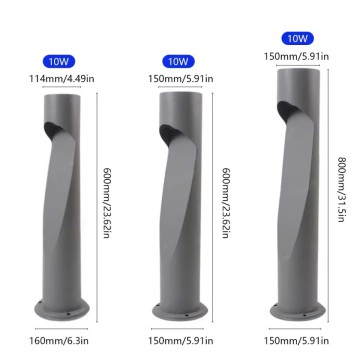
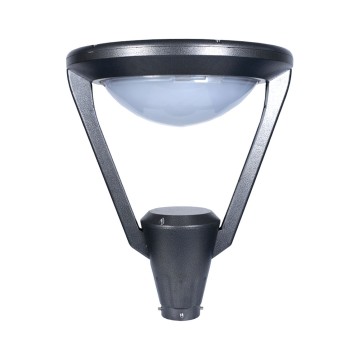
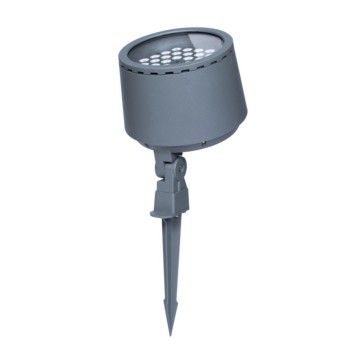
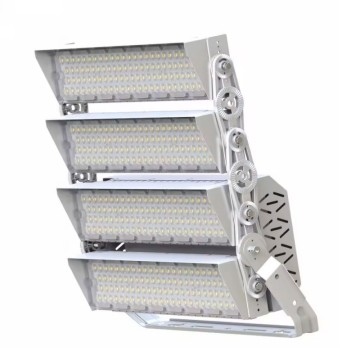
Transforming traditional off-grid municipal fixtures into interconnected, data-harvesting clean energy nodes.
The global transition toward carbon-neutral urban centers has fundamentally redefined the purpose of outdoor lighting. Solar street lights are no longer isolated luminaire fixtures that merely collect daytime sunlight and dissipate lumens after dusk. In modern smart city frameworks, every solar pole operates as a self-sustaining multi-sensor digital hub. Supported by advancements in high-efficiency monocrystalline solar cells (surpassing 22-24% conversion rates), automotive-grade LiFePO4 (Lithium Iron Phosphate) energy storage packs, and intelligent Maximum Power Point Tracking (MPPT) algorithms, solar street lighting provides unbroken autonomy while interfacing directly with centralized Urban Management Systems (UMS).
Decentralized Resilience: Zero trenching or grid dependence means mission-critical public illumination remains 100% operational during grid failures, extreme weather events, or natural disasters.
Dynamic Power Management: Integrated AI dimming profiles adjust lux output based on real-time pedestrian presence, vehicular density, and meteorological forecasts to maximize battery life cycles beyond 10-12 years.
Data Highway Integration: Standardization of Zhaga Book 18 and NEMA 7-pin ANSI C136.41 sockets allows instant plug-and-play addition of LoRaWAN, NB-IoT, 5G micro-cells, and environmental air quality sensors.
Utilizing low-latency LoRaWAN and Zigbee mesh communication topologies, smart poles relay telemetry diagnostics—such as battery state-of-health (SoH), temperature, luminaire driver status, and solar harvest yield—directly to cloud dashboards without expensive cellular SIM subscriptions on every single pole.
Machine learning predictive models analyze historical traffic patterns and solar irradiance trends, seamlessly shifting between ambient standby modes (20-30% output) and full illumination (100% output) upon microwave radar detection, reducing systemic energy depletion by over 60%.
Integrated auxiliary power buses (12V/24V DC) supply constant regulated power to municipal CCTV surveillance, air particulate (PM2.5/PM10) meters, noise level transducers, and emergency SOS intercoms, establishing holistic smart city situational awareness.
Deploying smart lighting in industrial zones, high-salinity coastal highways, and desert expressways necessitates industrial-grade optical and structural craftsmanship. Luminaire housings manufactured from die-cast ADC12 aluminum with electrostatic thermoset powder coatings achieve IK10 impact protection and IP66/IP67 ingress ratings. Optical distribution is governed by precision Batwing PMMA or UV-stabilized PC lenses that eliminate light trespass, preserve International Dark-Sky standards, and guarantee luminous efficacy ratings between 150 lm/W to 200 lm/W.
At the core of the IoT lighting infrastructure lies the intelligent MPPT charge controller coupled with smart Battery Management Systems (BMS). Modern BMS architectures feature multi-tier thermal dissipation, cell-level balancing, over-voltage/over-discharge protections, and low-temperature charging heaters, allowing continuous operation across extreme ambient temperatures ranging from -30°C to +65°C.
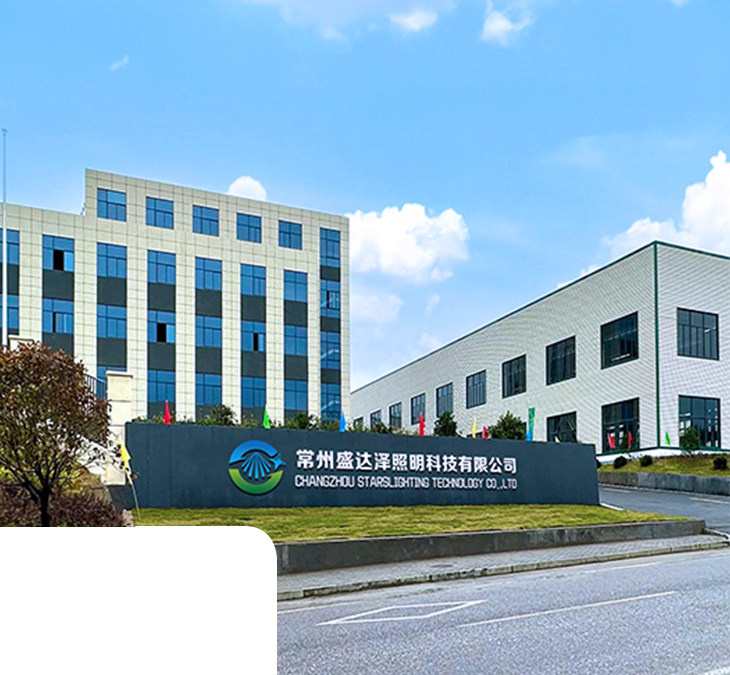
Changzhou Starslighting Technology Co., Ltd. was established in 2016 and is located in Hengshanqiao Town, Wujin District, Changzhou City, Jiangsu Province. The factory currently has 80 employees, building space about 3800 square meters, and its annual production capacity is up to 200,000 sets.

Products are built with waterproof, dustproof, and corrosion-resistant materials (e.g., IP65/IP67 ratings), ensuring reliable long-term performance in harsh outdoor environments.

Products are certified with CE, CB, RoHS, ERP, ISO, etc, and other globally recognized standards, facilitating smooth market entry and enhancing customer confidence.
Scalable lighting architectures tailored for diverse municipal zones, commercial districts, and heavy industrial facilities.
Offers end-to-end customization—from product design and light-source specifications to smart control systems—tailored to clients’ specific project requirements and application scenarios, supporting OEM/ODM services and ensuring timely, reliable global delivery.

Maintains a worldwide after-sales service network with local teams providing rapid response, technical guidance, and spare parts replacement.

Equipped with an agile R&D and manufacturing system, enabling quick sample production and efficient mass delivery to help clients seize market opportunities.

Goes beyond product supply by offering continuous support—including lighting solution design, installation advice, and system upgrades—to foster long-term client relationships.

Rigorous conformity to worldwide safety, environmental, and electrical standardization frameworks.





Explore our full range of solar, street, flood, and architectural lighting luminaires designed for smart municipal installations.