Leave Your Message
Explore our top-rated solar powered street light solutions specifically selected for factory compounds, industrial parks, and manufacturing facility perimeters.
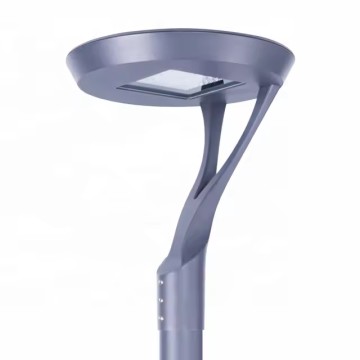
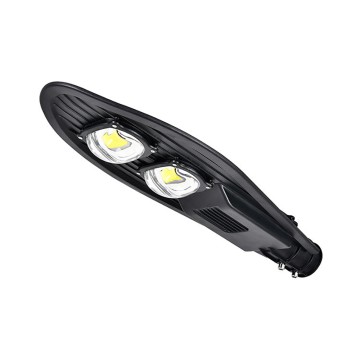
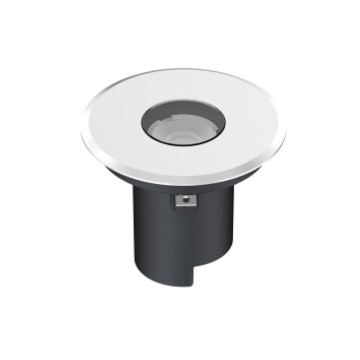
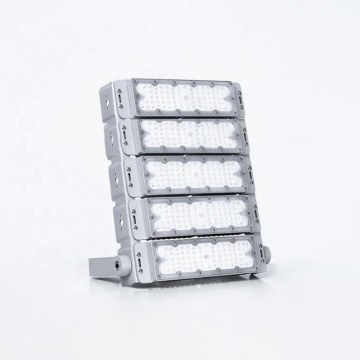
A deep-dive into the commercial drivers, technology evolution, and real-world application scenarios reshaping how factories and industrial parks illuminate their operations.
The global industrial sector is undergoing a fundamental shift in how it approaches outdoor lighting infrastructure. For decades, factories, logistics hubs, and industrial parks relied exclusively on grid-connected high-pressure sodium or metal halide street lights — systems that were expensive to operate, difficult to maintain, and environmentally costly. Today, solar powered street lights for factories and industrial parks represent one of the fastest-growing segments in the commercial lighting industry, driven by advances in photovoltaic technology, lithium battery storage, and intelligent LED control systems.
The global solar street lighting market is projected to exceed USD 12 billion by 2030, with industrial and commercial applications accounting for over 35% of total installations. Energy cost reduction, ESG compliance, and grid independence are the three primary drivers for factory and industrial park adoption.
Industrial parks and factory complexes present unique outdoor lighting challenges that differ substantially from residential or municipal street lighting. These environments typically feature vast open areas — loading docks, vehicle circulation roads, raw material storage yards, security perimeters, and staff parking zones — all requiring reliable, high-lumen illumination across extended operational hours, often 10 to 16 hours per night.
Traditional grid-powered lighting systems in these environments carry significant operational burdens. A mid-sized industrial park covering 50,000 to 200,000 square meters may operate 200 to 800 street light poles, consuming hundreds of thousands of kilowatt-hours annually. Electricity costs for outdoor lighting alone can represent 15% to 25% of a factory's total utility expenditure. Add to this the rising cost of grid electricity in key manufacturing markets — Southeast Asia, the Middle East, Africa, Eastern Europe, and South America — and the business case for solar conversion becomes compelling.
Beyond direct energy costs, grid-dependent systems expose industrial operators to supply disruptions, voltage fluctuations, and the ongoing capital expense of cable infrastructure maintenance. In greenfield industrial park developments, the cost of trenching and laying underground power cables for street lighting can represent a significant portion of total site infrastructure investment — costs that solar powered street lights eliminate entirely.
Not all solar street lights are created equal. Consumer-grade solar garden lights bear little resemblance to the industrial-specification solar powered street lights required for factory and industrial park applications. Understanding the technology stack is essential for procurement managers and facility engineers evaluating solutions.
Industrial solar street lights use LiFePO4 batteries offering 2,000+ charge cycles, stable performance in temperatures from -20°C to +60°C, and built-in BMS protection — critical for factory environments with extreme thermal variation.
Premium COB and SMD LED arrays achieving 160–200 lm/W efficacy ensure maximum light output from available solar energy. High CRI (Ra≥70) options improve visibility for vehicle operators and security personnel in industrial settings.
High-conversion-efficiency (20–23%) monocrystalline panels maximize energy harvest even in partial cloud cover or haze conditions common in industrial zones with atmospheric particulates.
Maximum Power Point Tracking controllers optimize energy harvest in real time, extending battery life and ensuring consistent light output across varying seasonal solar conditions — from tropical Southeast Asia to Northern Europe.
Factory environments demand dust-tight, water-resistant luminaires. IP65 and IP66 ratings protect against high-pressure water jets, industrial dust, and corrosive airborne particles present in manufacturing zones.
4G/NB-IoT enabled solar street lights allow facility managers to monitor energy status, adjust dimming schedules, receive fault alerts, and analyze consumption data remotely — reducing maintenance costs by up to 40%.
From main access roads to remote security perimeters, solar powered street lights serve multiple critical functions across the modern industrial park ecosystem.
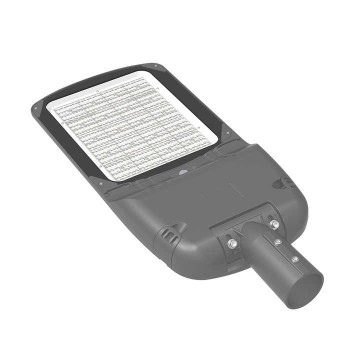
High-mast solar street lights (80W–200W) at factory main entrances and internal circulation roads ensure safe vehicle and pedestrian movement during night shifts. Intelligent dimming reduces energy use during low-traffic hours while motion sensors restore full brightness when vehicles approach.
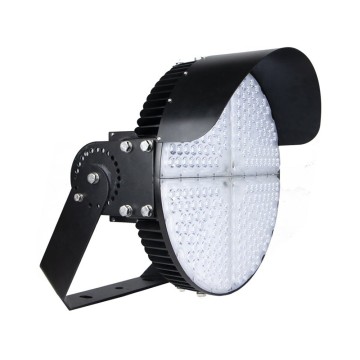
Loading bays and truck marshalling areas require uniform, glare-free illumination for safe cargo handling. Solar flood lights combined with solar street lights create layered lighting solutions that eliminate shadows and improve operational safety around the clock.
Solar powered street lights along factory boundary walls and perimeter fencing provide continuous security illumination independent of grid power. Integration with CCTV systems and motion detection creates a comprehensive, energy-autonomous security infrastructure.
Staff parking areas benefit from solar street lights with adaptive dimming — full brightness during shift changes, reduced output during quiet periods. This approach typically reduces parking area lighting energy consumption by 60–70% versus conventional grid systems.
Raw material storage yards, container stacking areas, and open-air processing zones in industrial parks often lack adequate grid infrastructure. Solar street lights provide cost-effective, rapid-deployment illumination without the need for extensive electrical installation work.
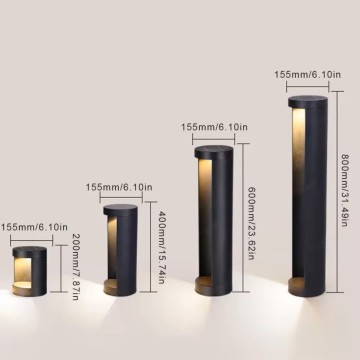
Modern industrial parks increasingly incorporate green spaces, pedestrian walkways, and staff amenity zones. Solar bollard lights and post-top garden lights provide elegant, energy-free illumination that enhances the working environment and supports ESG reporting objectives.
The industrial solar street lighting sector is evolving rapidly, shaped by technological innovation, regulatory pressure, and the growing strategic importance of sustainability in manufacturing operations. Several key trends are redefining what factories and industrial parks expect from their outdoor lighting infrastructure.
Next-generation solar street lights for industrial parks are being designed as nodes within broader IoT infrastructure. Integrated sensors collect data on occupancy, ambient light levels, temperature, and energy generation, feeding real-time analytics to facility management platforms. This enables predictive maintenance, automated energy optimization, and integration with smart grid and building management systems (BMS).
The shift toward all-in-one solar street lights — combining panel, battery, LED, and controller in a single compact unit — is accelerating in industrial applications. These systems reduce installation time by up to 70%, eliminate wiring vulnerabilities, and simplify maintenance. Advanced models now incorporate split-type designs with separate high-capacity panels for regions with limited solar hours.
With multinational manufacturers facing increasing pressure from investors, regulators, and supply chain partners to demonstrate carbon reduction commitments, solar powered outdoor lighting has become a visible and measurable ESG initiative. Replacing 500 grid-powered street lights with solar equivalents can reduce a factory's annual CO₂ emissions by 150–300 tonnes — a meaningful contribution to Scope 2 emission reduction targets.
For mission-critical industrial applications where continuous illumination is non-negotiable, hybrid solar street light systems that automatically switch to grid power during extended low-solar periods are gaining adoption. These systems deliver the energy cost benefits of solar while maintaining the reliability guarantees required by industrial safety standards.
The financial case for deploying solar powered street lights in factories and industrial parks has never been stronger. A comprehensive ROI analysis typically considers the following factors:
Our products are characterized as safety, reliability, energy conservation, environmental protection and wide applicability, and exported to more than 30 countries and regions including Europe, South America, Southeast Asia, the Middle East, and Africa. Since its establishment, Starslighting Technology always regarded high quality and cost-effectiveness as the key to product research and development, design and production. Taking customers' needs as the core, and constantly pursuing competitiveness in the market. As a high-tech and innovative lighting factory, Starslighting is willing to work together with customers to create an energy-saving and environmentally friendly world.
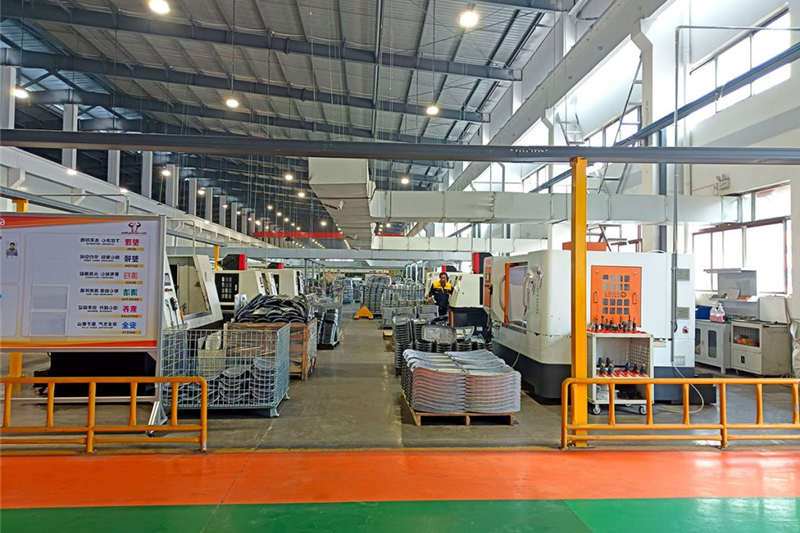
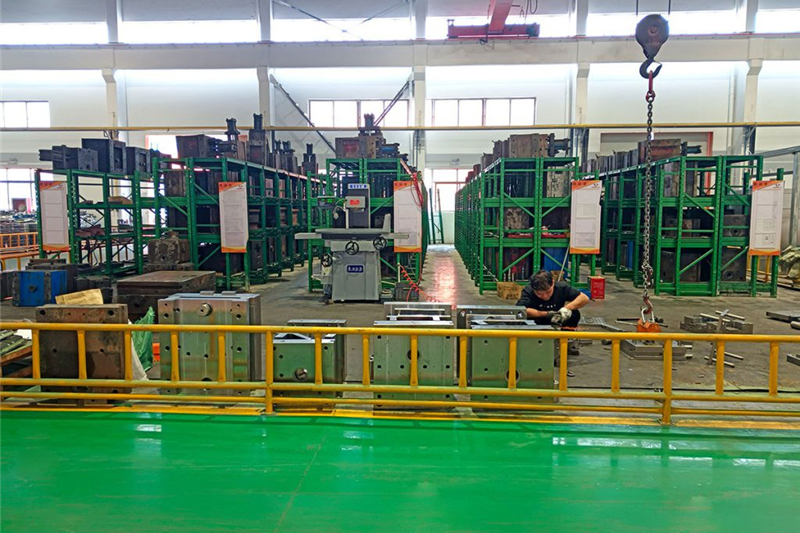
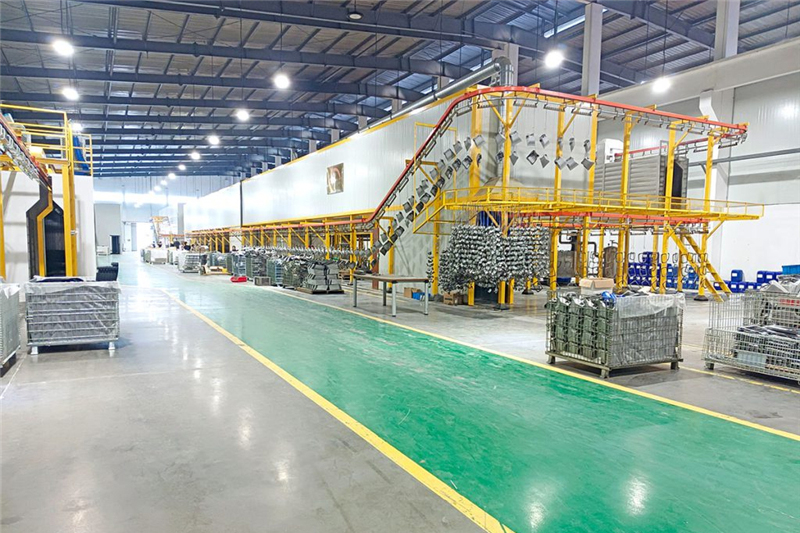
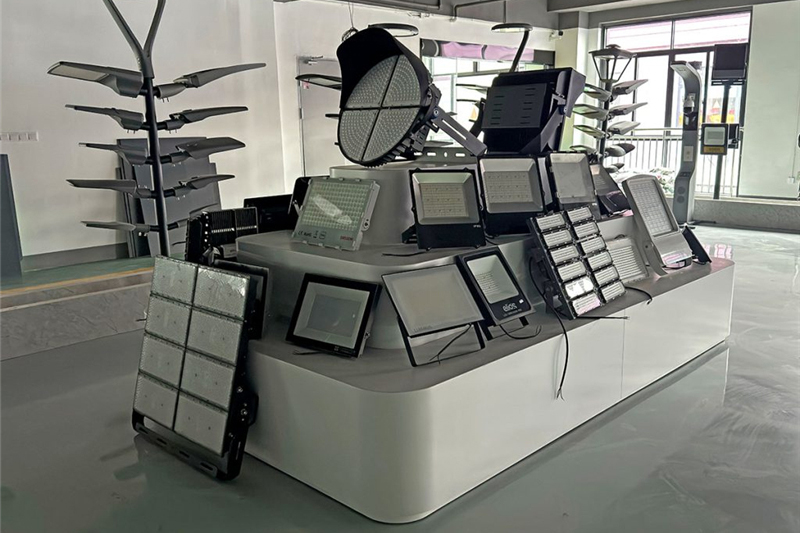
It was established in 2016 and is located in Hengshanqiao Town, Wujin District, Changzhou City, Jiangsu Province. The factory currently has 80 employees, building space about 3,800 square meters, and its annual production capacity is up to 200,000 sets. Starslighting Technology has long been committed to the research and development, production and sales of high-end LED Street Lights, LED Garden Lights, LED Flood Lights, LED Tunnel Lights, LED High Bay Lights, Solar Lights, LED Smart Lights, etc.
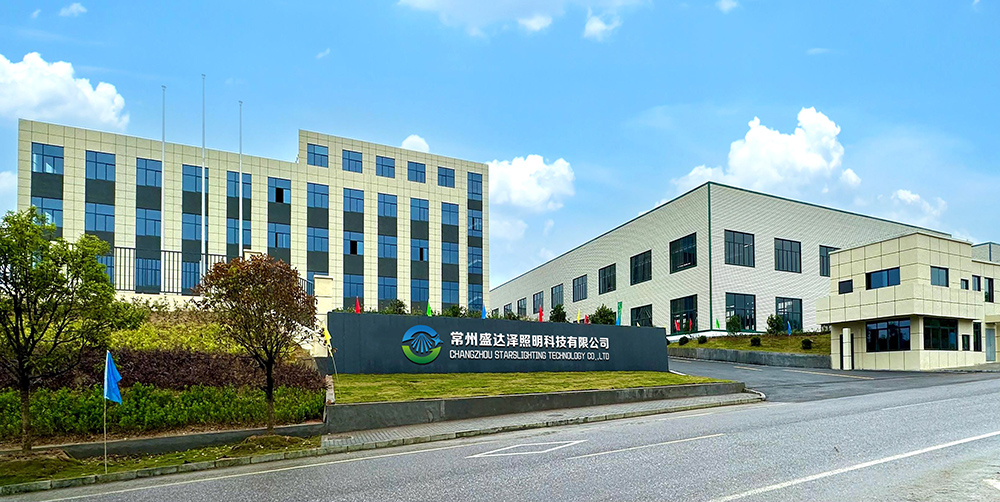
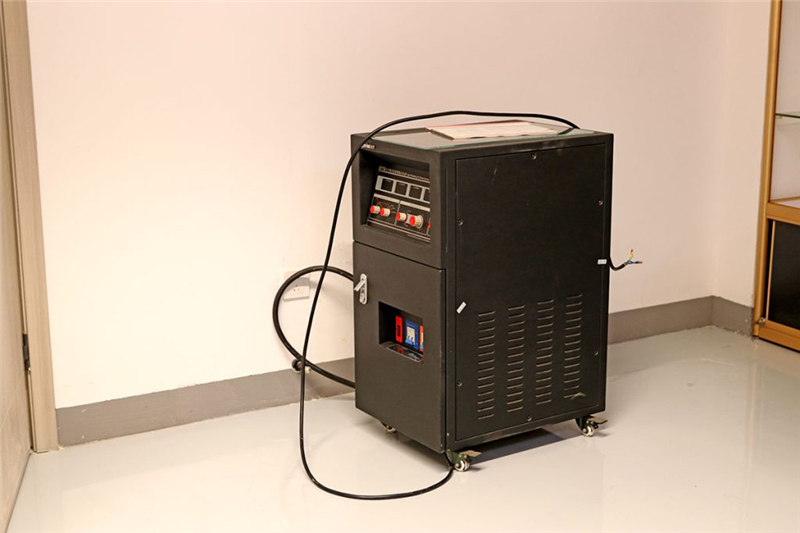
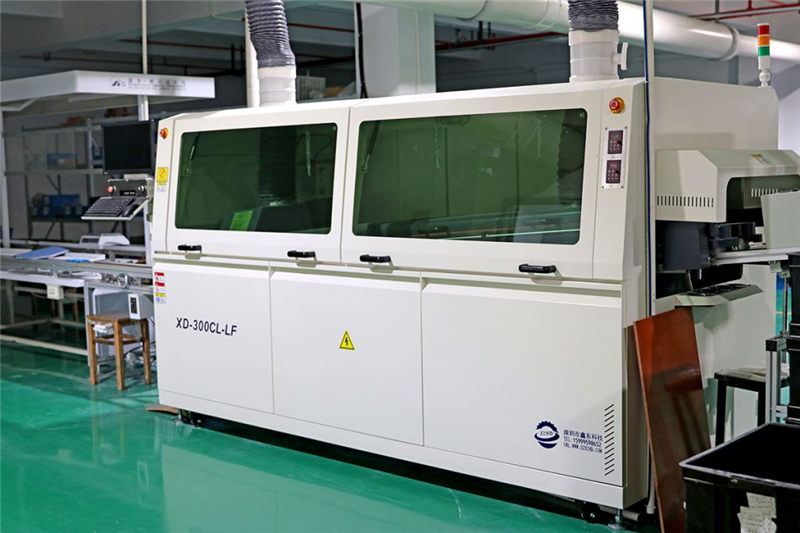
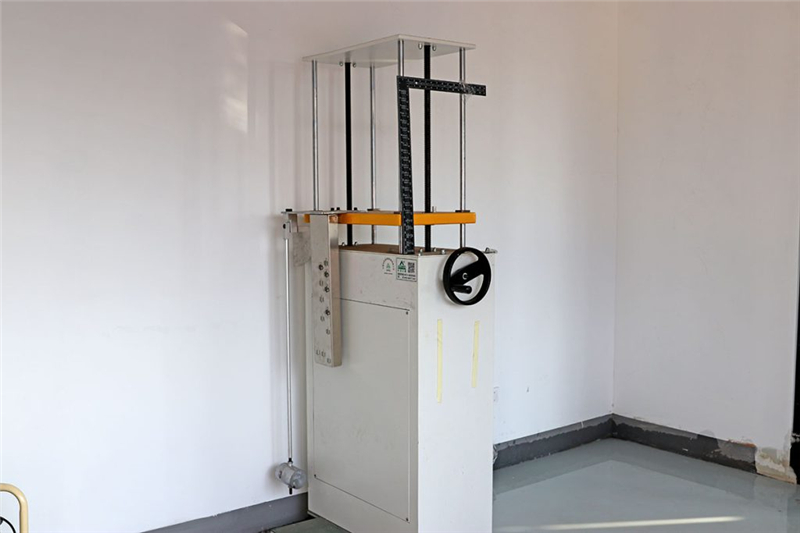
To better serve our partners and expand into international markets, Starslighting Technology has established a dedicated technical team (5+ members) and a specialized after-sales service and quality control team (3+ members). Focused on our core expertise in outdoor lighting products, we are equipped with professional testing and manufacturing facilities, including an integrating sphere, Distribution Photometric Darkroom, impact testing equipment, aging test chambers, SMT pick-and-place machines, and more.
Its complete production and quality management system, professional R&D and manufacturing team, first-class production equipment and excellent after-sales service team have made Starslighting well-known in the outdoor lighting industry around the world.
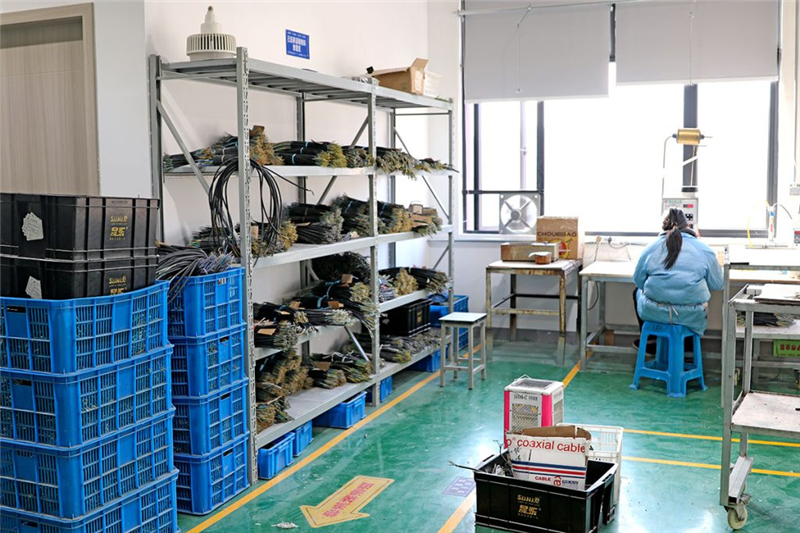
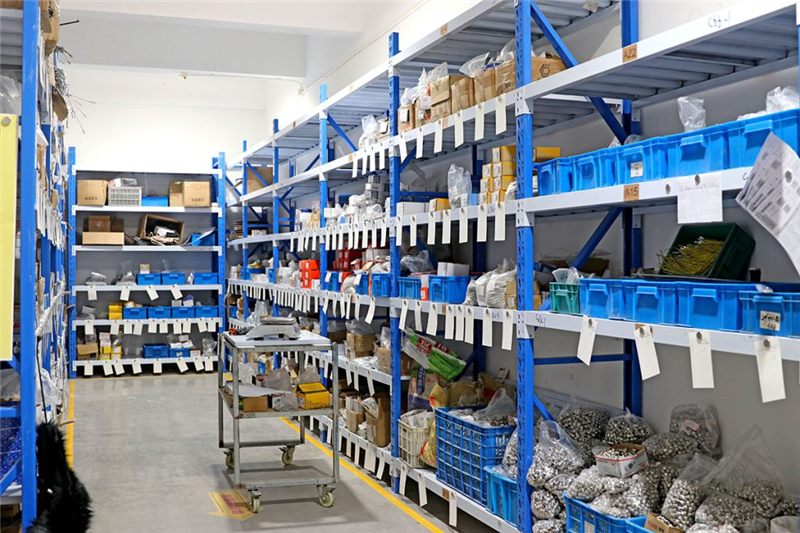
Take a virtual tour of our state-of-the-art solar street light manufacturing facility — where precision engineering meets sustainable production.
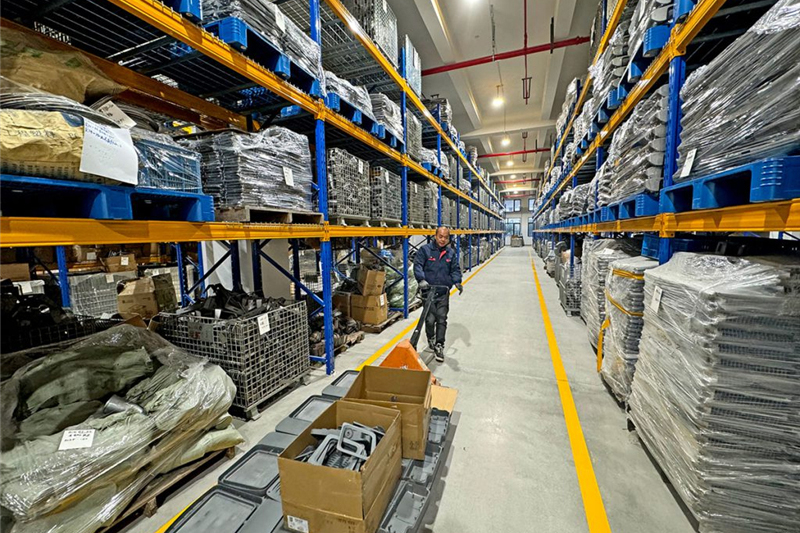
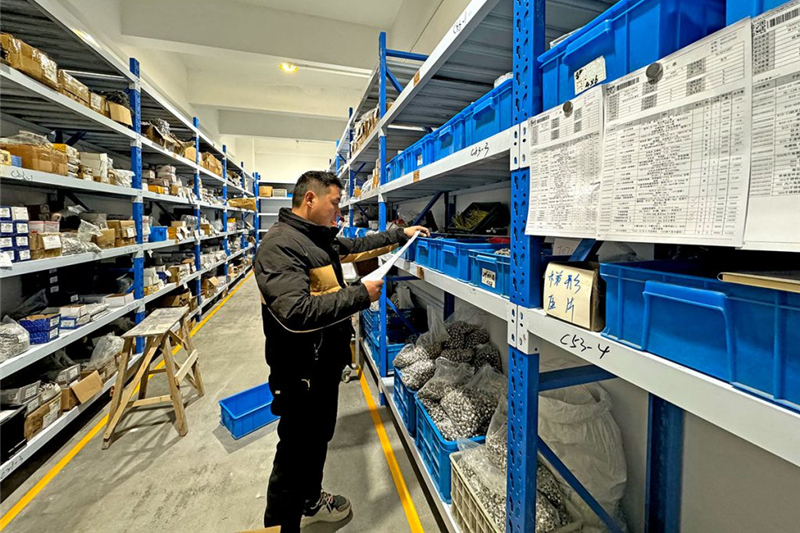
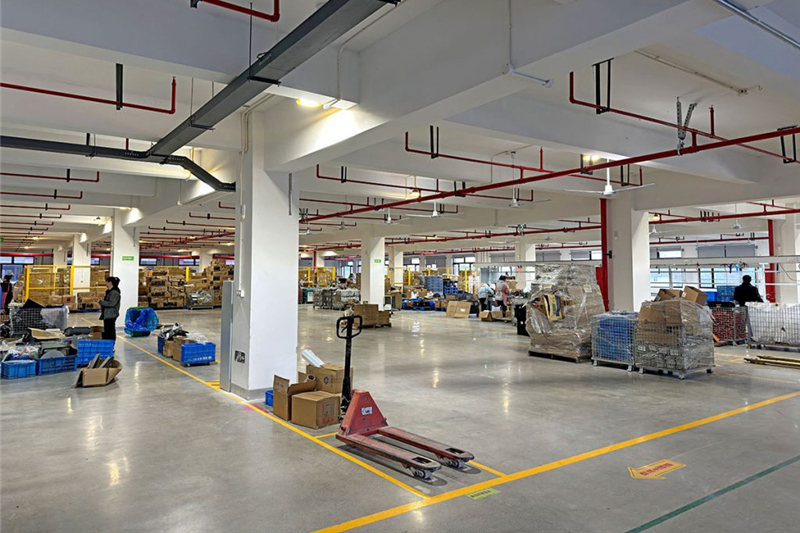
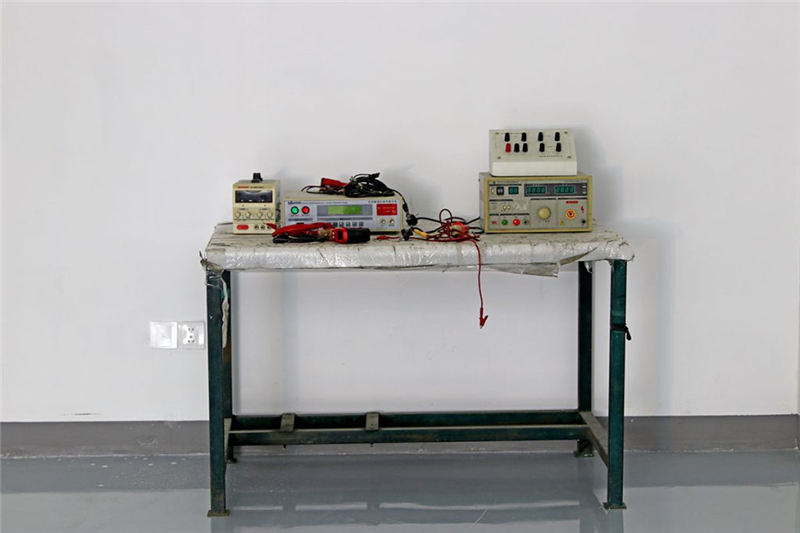
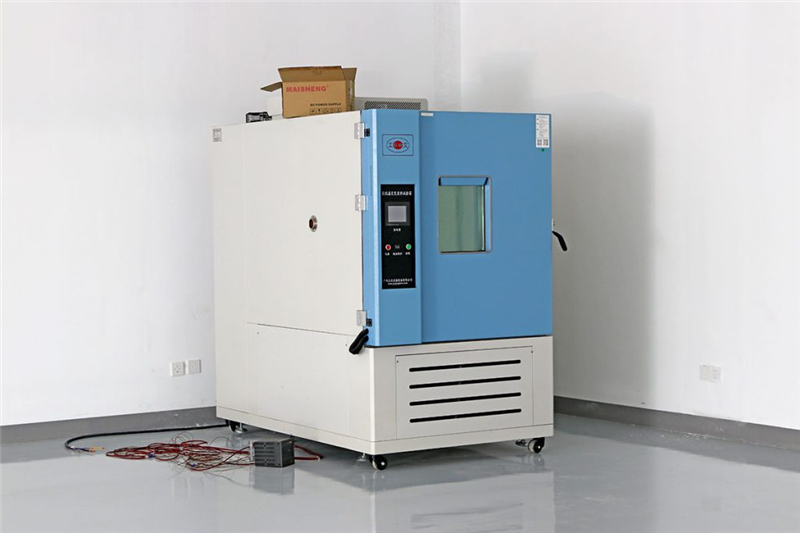
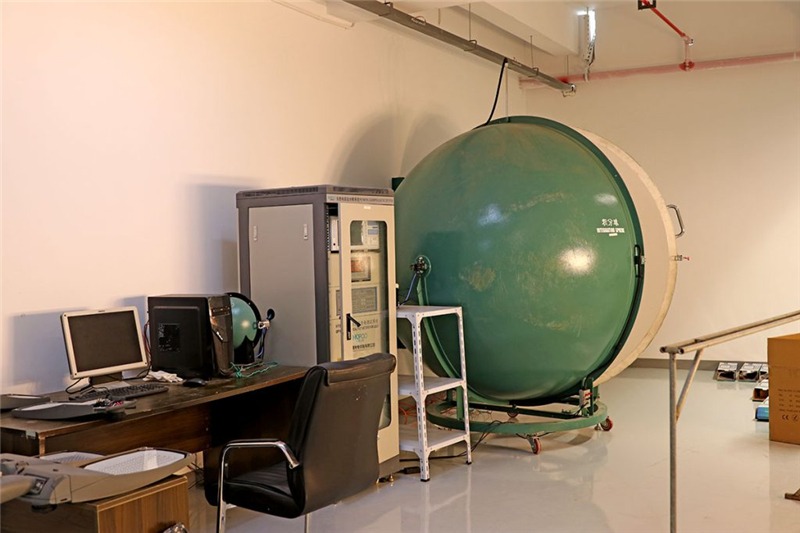
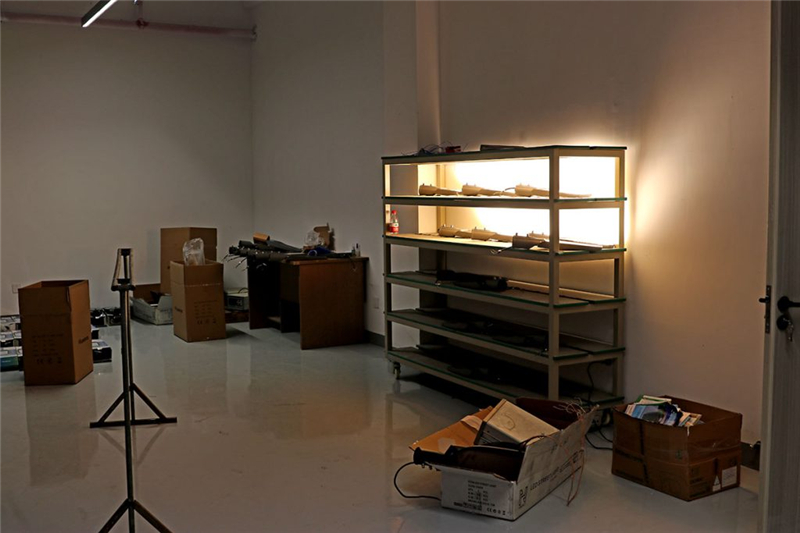
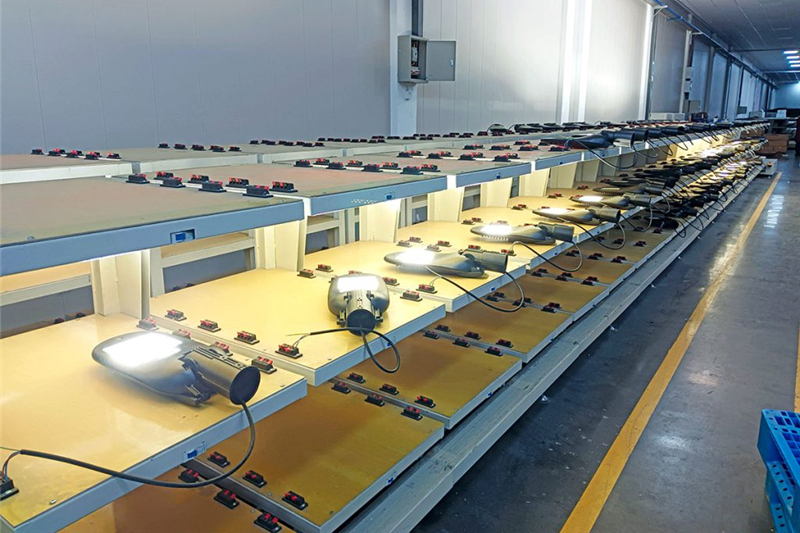
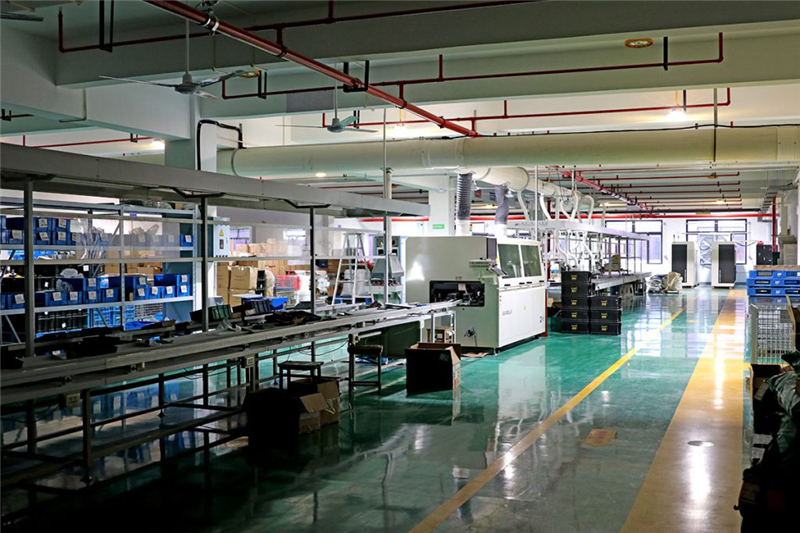
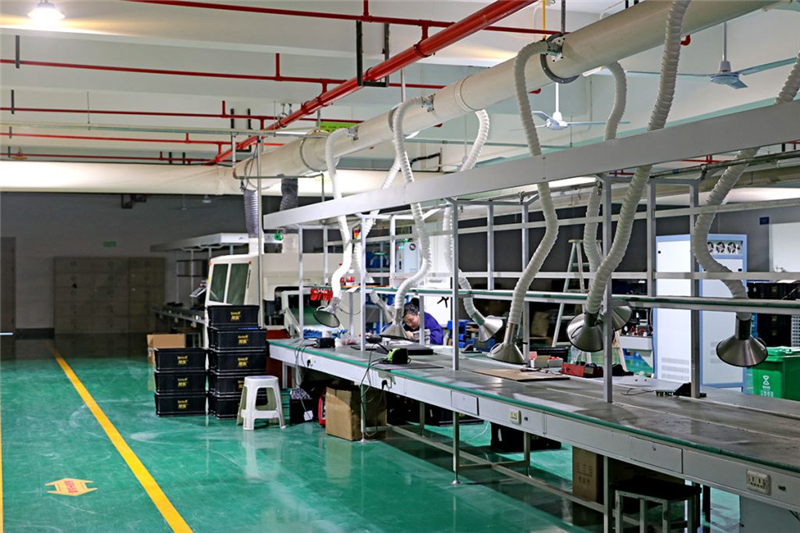
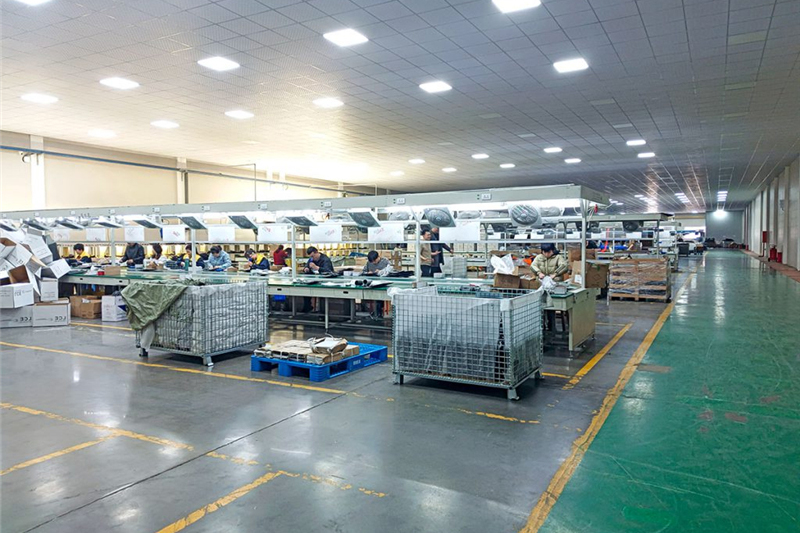
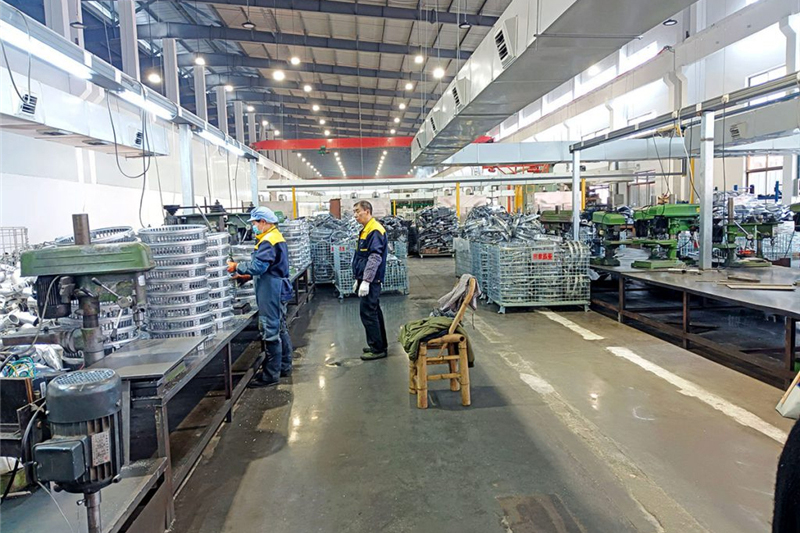
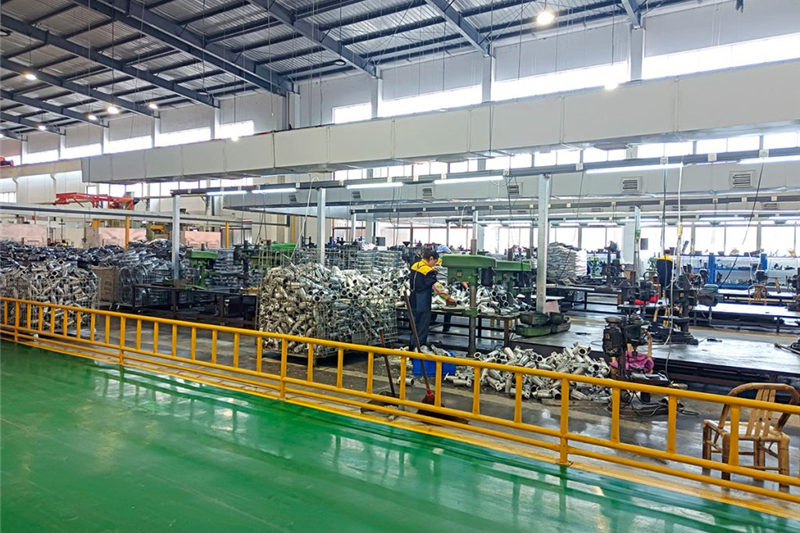
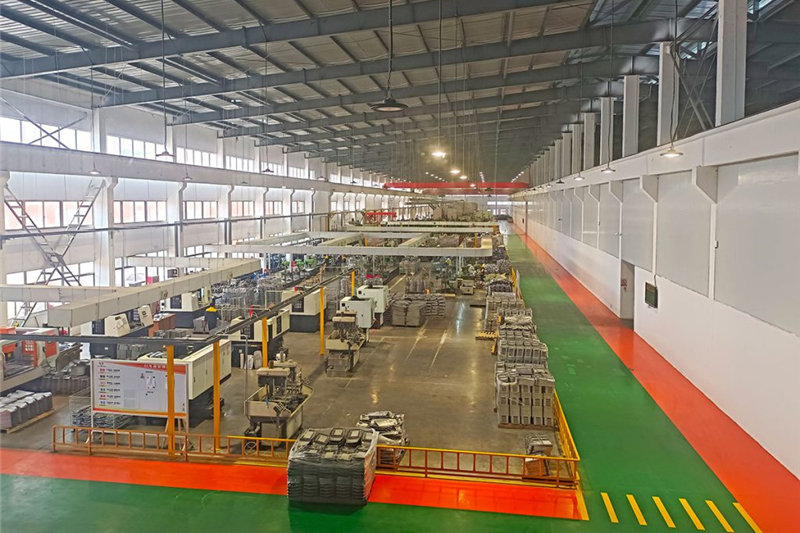
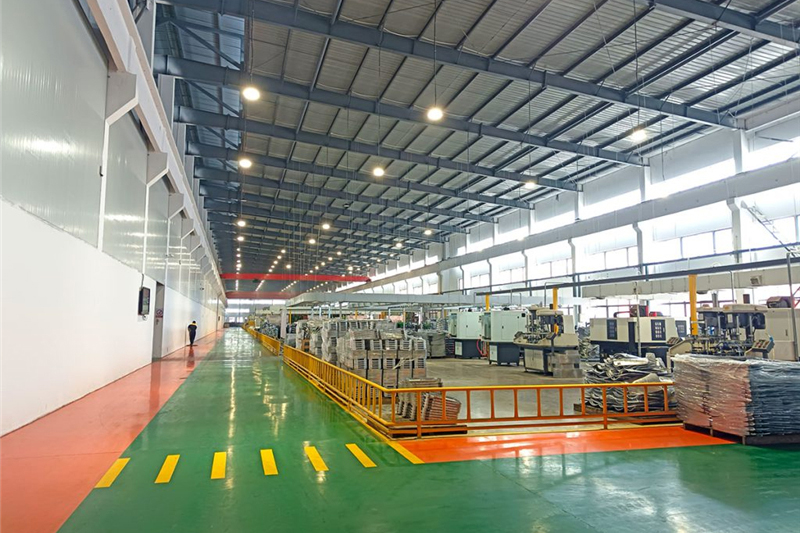
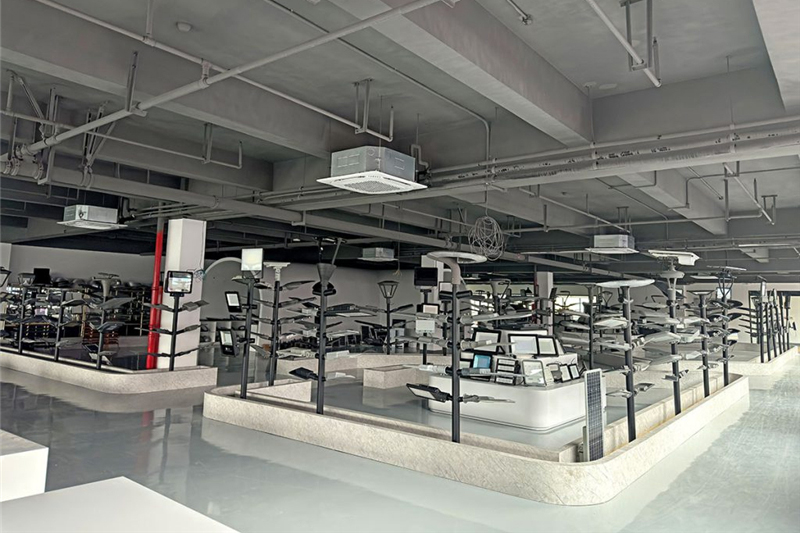
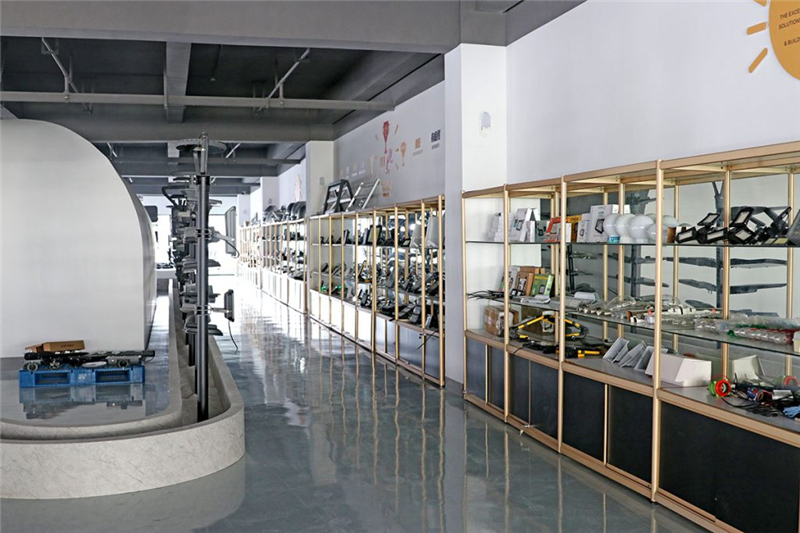
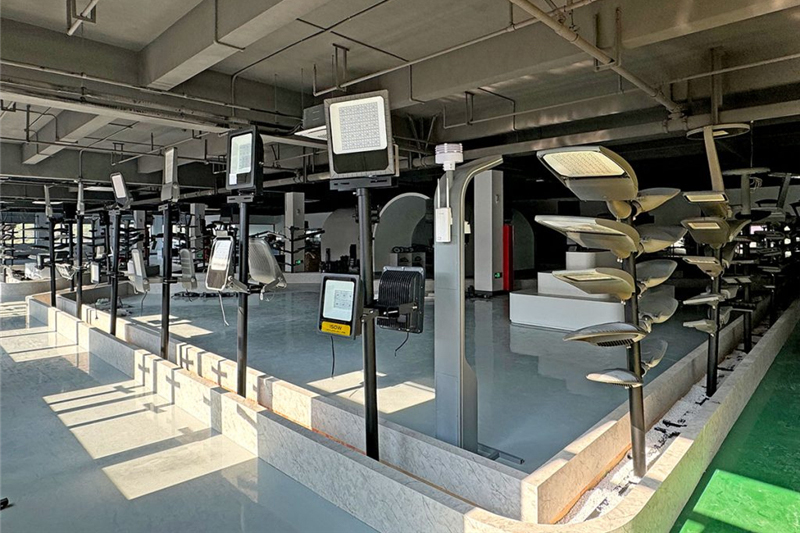
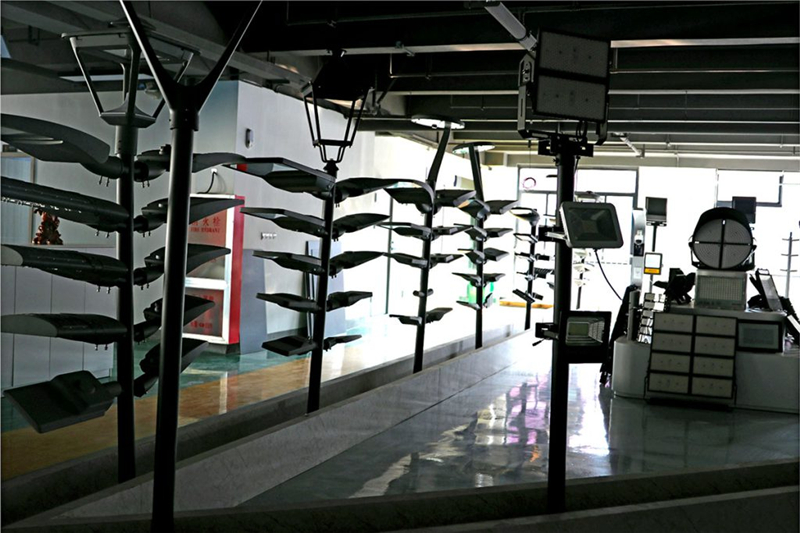
Starslighting has obtained CCC quality management system certification, as well as relevant certificates such as CE, CB, RoHS, ERP, ISO and so on.





From a startup in 2016 to a globally recognized solar and LED lighting manufacturer — our journey reflects relentless innovation and customer commitment.
Contact Starslighting Technology today for a customized solar street lighting solution for your factory, industrial park, or manufacturing facility. Our engineering team provides free lighting design, energy savings analysis, and ROI projections.
Get a Free Solar Lighting ConsultationExplore our complete range of high-performance LED and solar lighting products designed for industrial, commercial, and large-scale outdoor environments.