Leave Your Message
Explore our top-performing outdoor LED luminaires customized for residential pathways, neighborhood roads, and courtyard environments.
In the contemporary landscape of urban planning and property development, the integration of sustainable technologies has progressed from an optional environmental statement to a fundamental regulatory and economic necessity. Among these innovations, the implementation of Solar Powered LED Street Lights for residential communities and neighborhood lighting has witnessed exponential growth. Globally, municipalities, private developers, and homeowners' associations (HOAs) are actively shifting away from traditional grid-tied high-pressure sodium (HPS) or standard metal halide luminaires. This transition is catalyzed by the dual benefit of reducing operational carbon footprints while simultaneously eliminating recurring electricity costs.
From a technological perspective, modern solar street lighting systems are no longer the unreliable, dim fixtures of the early 2000s. Today, the convergence of high-efficiency monocrystalline solar panels, dense Lithium Iron Phosphate (LiFePO4) battery packs, and ultra-bright LED chips delivering up to 200 lumens per watt has completely redefined the capabilities of off-grid illumination. These systems operate autonomously, capturing solar energy during daylight hours, converting it via Maximum Power Point Tracking (MPPT) controllers, and storing it safely to power the LEDs through the night, even during extended periods of overcast or inclement weather.
The commercial market for residential solar outdoor lighting is experiencing a structural boom. According to global industrial analyses, the demand for smart, off-grid street lighting is projected to grow at a compound annual growth rate (CAGR) exceeding 15% over the next decade. Key drivers of this industrial momentum include:
Advanced MPPT controllers and LiFePO4 batteries ensure continuous lighting for up to 3-5 consecutive rainy days without sunlight.
100% solar-powered system reduces neighborhood carbon footprint to zero while eliminating monthly municipal energy bills.
Heavy-duty, corrosion-resistant aluminum housings protect internal electronics from extreme temperature, dust, and heavy rain.
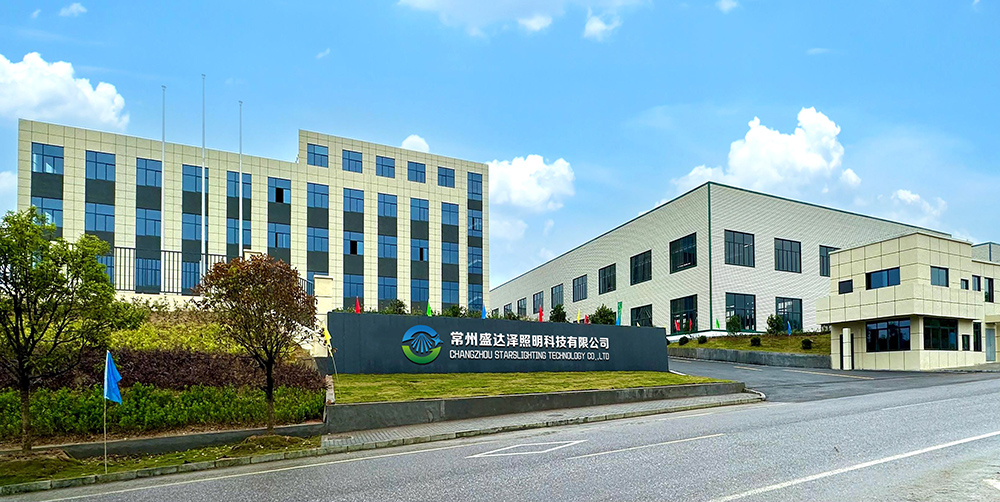
Established in 2016, Changzhou Starslighting Technology Co., Ltd. is located in Hengshanqiao Town, Wujin District, Changzhou City, Jiangsu Province. The factory currently hosts a dedicated workforce of 80 employees, occupying a state-of-the-art building space of approximately 3,800 square meters. Our annual production capacity reaches up to 200,000 sets.
Starslighting Technology has long been committed to the research, development, production, and sales of high-end LED Street Lights, LED Garden Lights, LED Flood Lights, LED Tunnel Lights, LED High Bay Lights, Solar Lights, and LED Smart Lights.
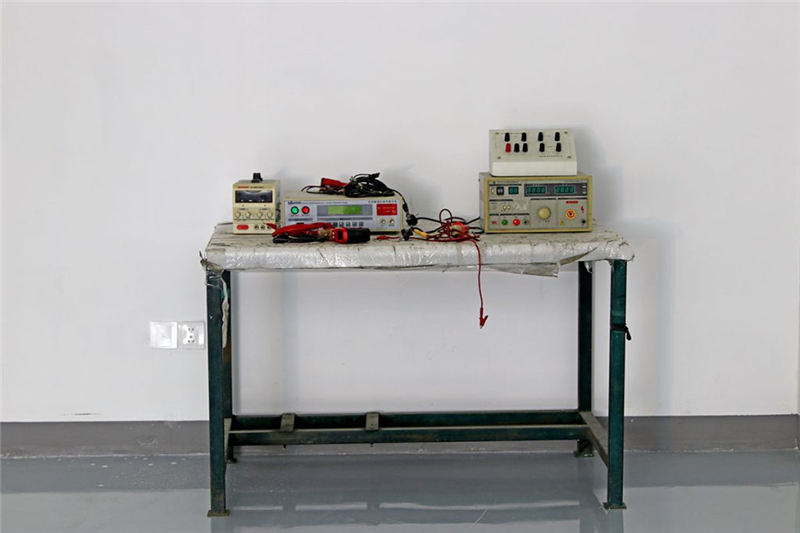
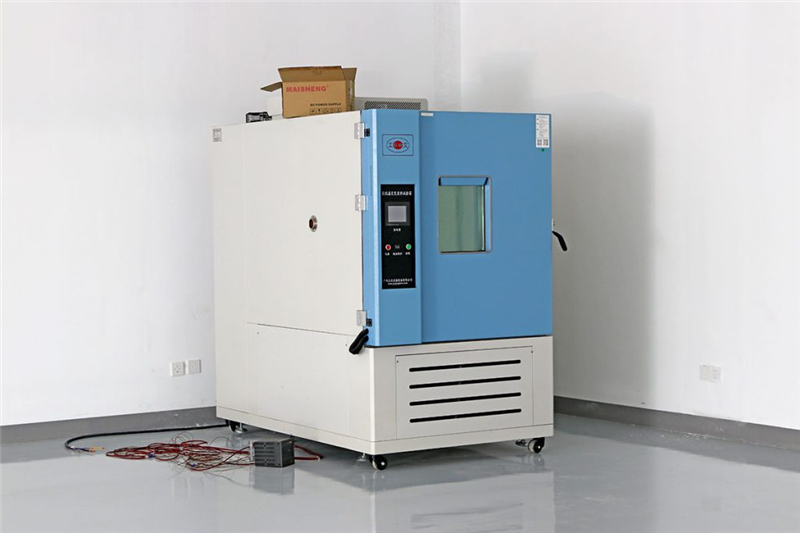
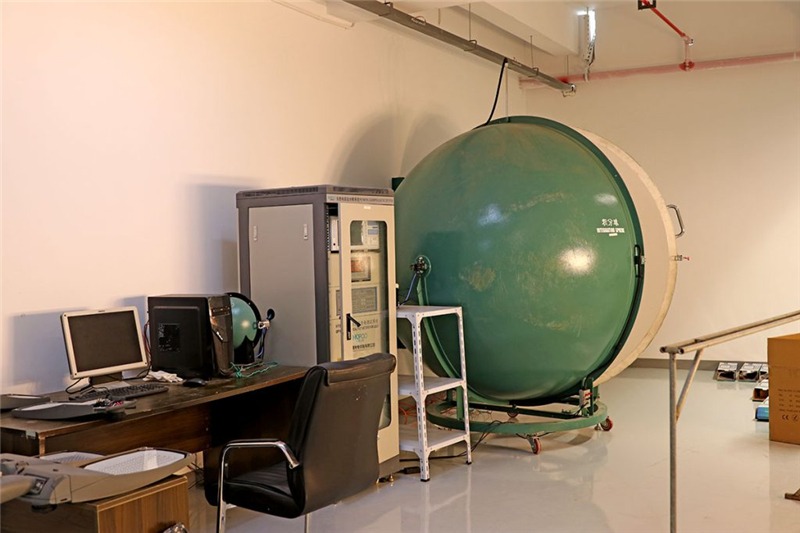
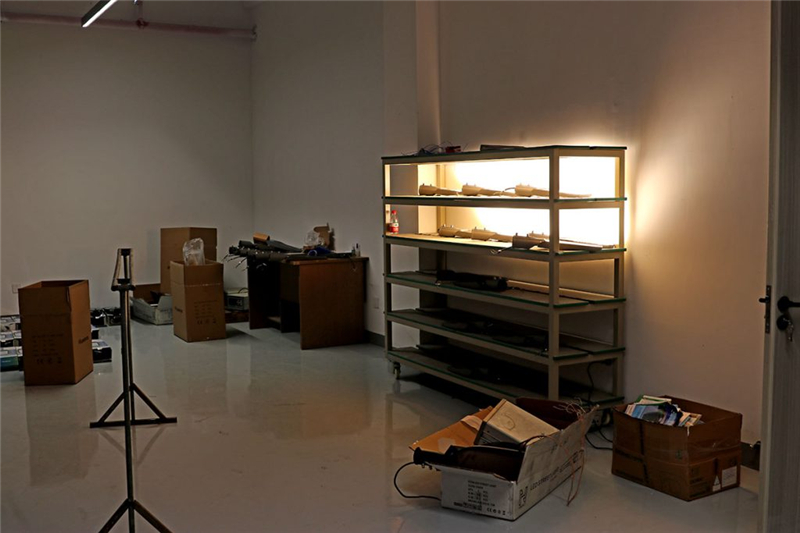
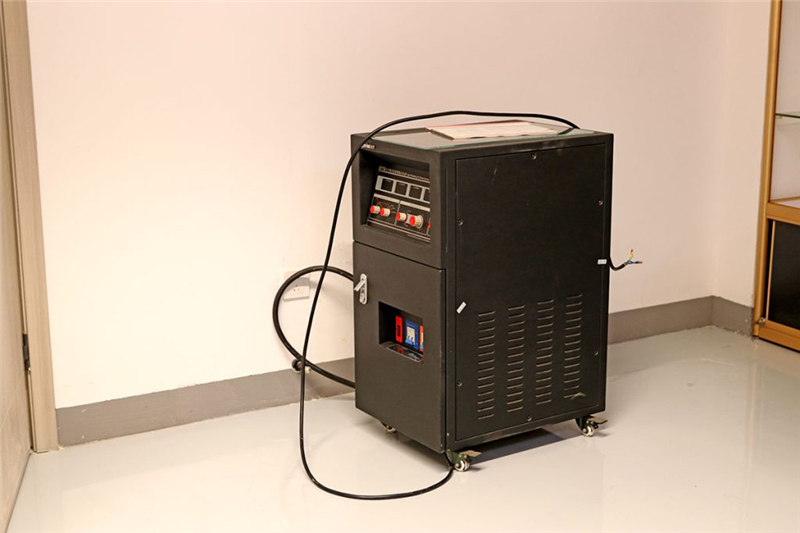
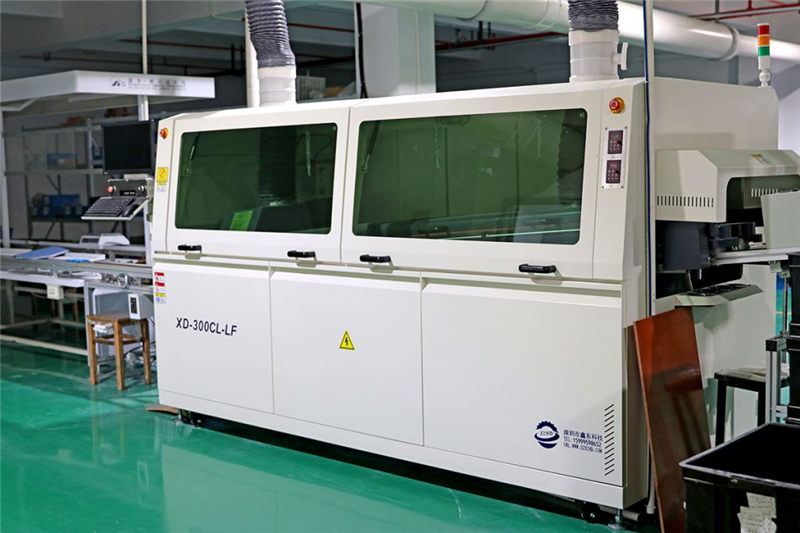
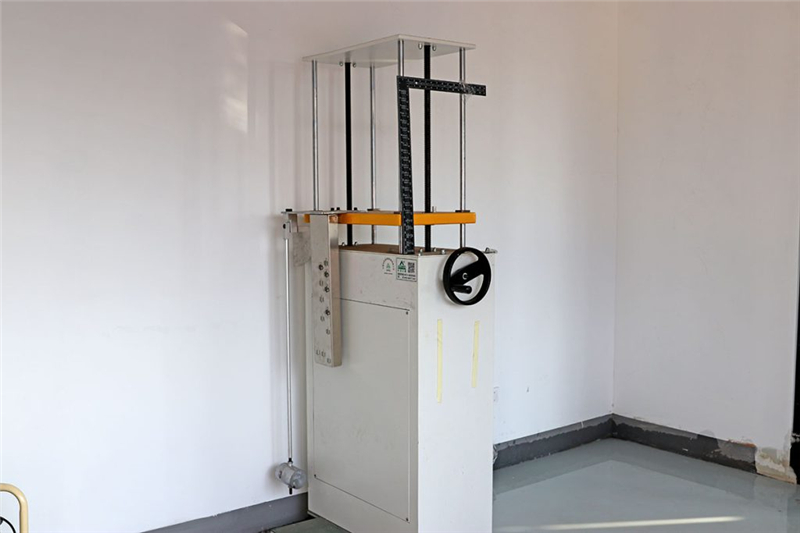
To better serve our global partners and expand into international markets, Starslighting Technology has established a dedicated technical team of 5+ members, alongside a specialized after-sales service and quality control team of 3+ members. We are equipped with professional testing and manufacturing facilities, including integrating spheres, a Distribution Photometric Darkroom, impact testing equipment, aging test chambers, and SMT pick-and-place machines.
Residential communities are complex ecosystems containing diverse public spaces, each requiring specific lighting distributions, color temperatures, and aesthetic presentations. Implementing a uniform solar lighting solution across all zones is rarely effective. Instead, professional lighting designers analyze specific sub-environments to optimize performance:
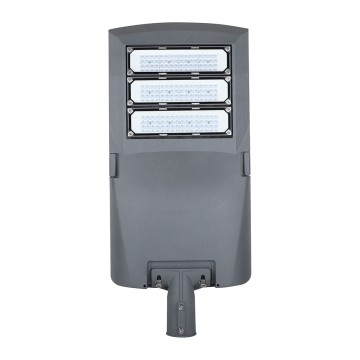
Neighborhood roadways require consistent, glare-free illumination to guarantee the safety of both drivers and pedestrians. Solar LED street lights designed for these spaces typically feature asymmetric Type II or Type III optical lenses. These optics project light along the path of the road rather than spilling into adjacent residential bedroom windows. To balance security with energy conservation, these lights utilize smart dimming profiles—for instance, operating at 100% brightness during peak evening hours (6:00 PM to 10:00 PM) and dimming to 30% brightness with motion-sensor activation during the late-night hours.
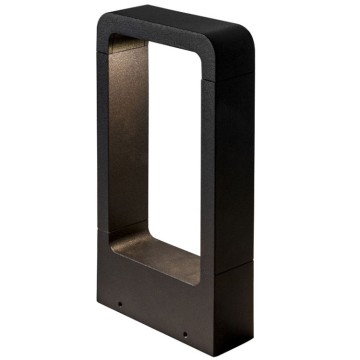
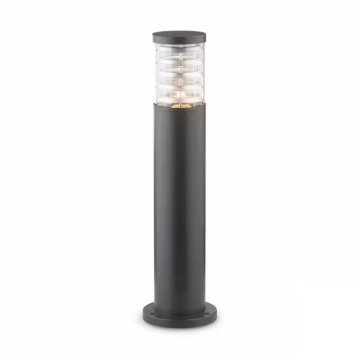
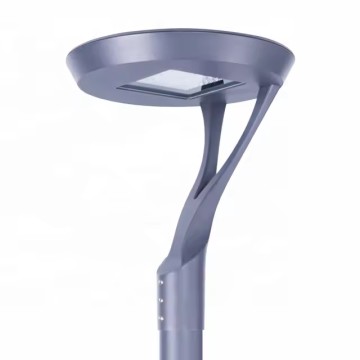
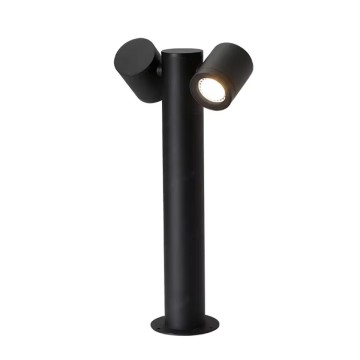
For sidewalks and common green areas, community developers favor bollard lights and post-top garden lights. Here, the primary objective is to create a welcoming, warm atmosphere (typically using 3000K to 4000K color temperatures) that encourages social interaction and outdoor exercise. These fixtures must feature robust IP65 or IP67 ratings to withstand continuous moisture from lawn sprinklers and exposure to dust, soil, and insects.
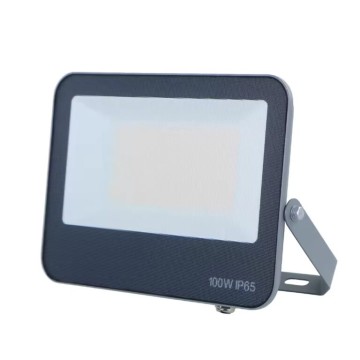
Active zones within a residential community need high-intensity illumination during evening hours. High-power modular LED street lights and floodlights are ideal for these scenarios. By decoupling the solar panel array from the light fixture (split-type solar configuration), designers can position the high-capacity solar panel on top of the pole in direct sunlight while angling the floodlight downward to illuminate playgrounds, tennis courts, or swimming pools. This ensures maximum solar energy harvesting without compromising the lighting angle.
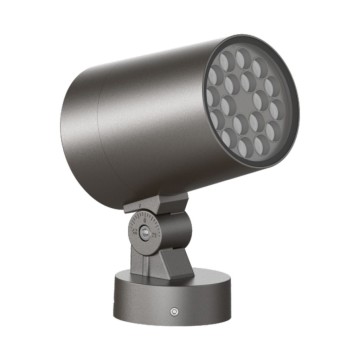
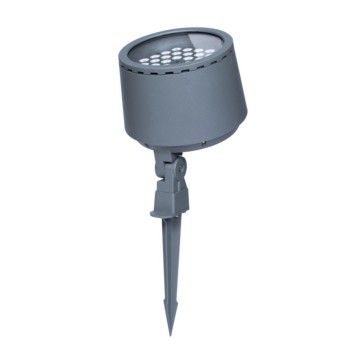
Every neighborhood has blind spots—corners, waste disposal areas, and remote perimeter fences—where extending the utility grid is cost-prohibitive. Solar-powered LED spotlights and floodlights with integrated motion sensors (PIR or microwave radar) provide an exceptional security deterrent. When motion is detected, the light instantaneously ramps up to full power, capturing high-quality footage on security cameras and alerting neighborhood patrol teams.
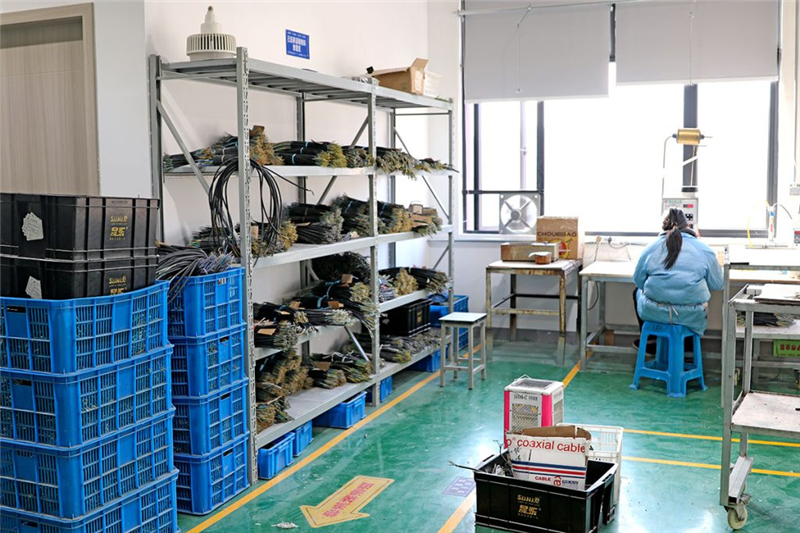
A glimpse into Changzhou Starslighting Technology's advanced production lines, quality testing facilities, and assembly workshops.
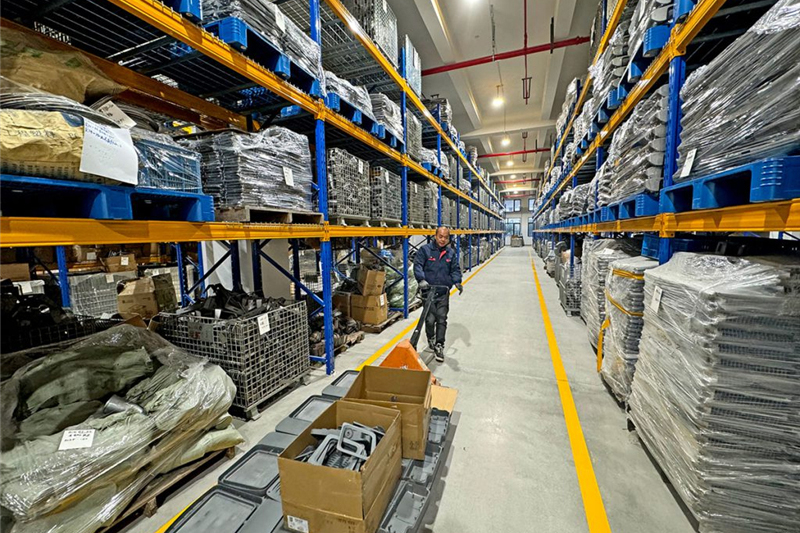
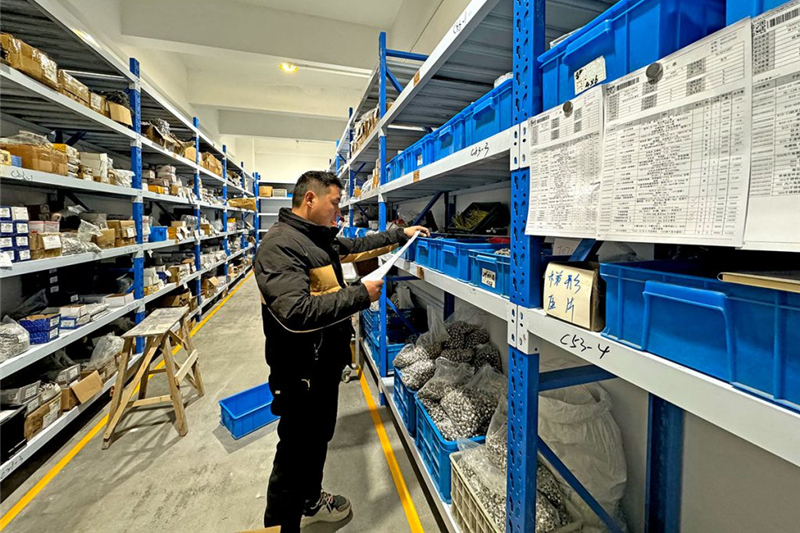
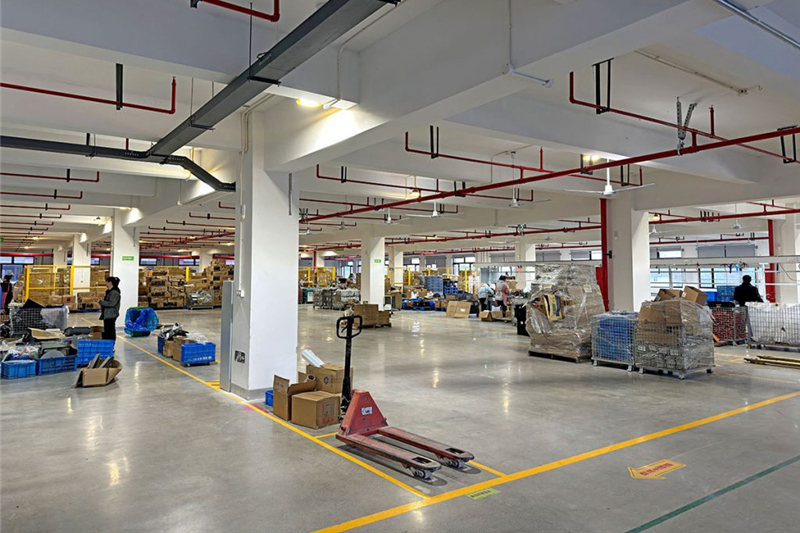
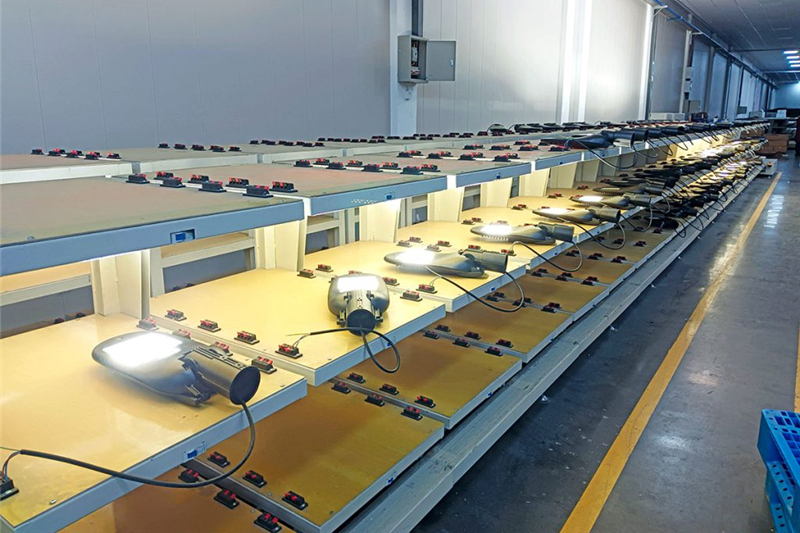
Selecting the correct solar street lighting system requires a thorough understanding of the technical specifications that govern performance, durability, and return on investment. Below are the critical engineering dimensions that Starslighting prioritizes during product development:
The solar panel is the primary energy harvester. Starslighting utilizes high-efficiency monocrystalline silicon panels with conversion rates exceeding 21-22%. Compared to cheaper polycrystalline alternatives, monocrystalline panels perform significantly better in low-light conditions and have a slower degradation rate, maintaining over 80% efficiency after 25 years of service.
Older solar street lights relied on Lead-Acid or Gel batteries, which suffered from short lifespans (2-3 years) and poor performance in extreme temperatures. Starslighting designs all modern solar lighting systems with Lithium Iron Phosphate (LiFePO4) batteries. These batteries offer:
The Maximum Power Point Tracking (MPPT) controller acts as the brain of the solar street light. It continuously tracks the voltage and current output of the solar panel, adjusting the charging parameters to maximize power transfer to the battery. MPPT controllers are up to 30% more efficient than basic PWM (Pulse Width Modulation) controllers, which is crucial during cloudy winter months when daylight hours are short.
Our journey of innovation, quality, and global expansion in the outdoor LED lighting industry.
Starslighting has obtained CCC quality management system certification, as well as CE, CB, RoHS, ERP, and ISO certifications, ensuring compliance with global standards.





Browse our full range of residential-grade street, garden, and spot lighting systems engineered for long-term outdoor reliability.