
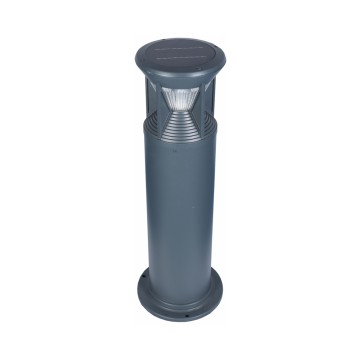
 ST-G045 2W 80cm IP65 Solar LED Lawn Light
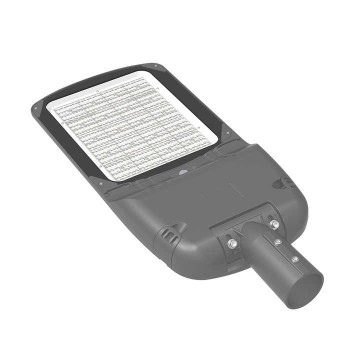 LED Street Light Highest Quality Type 50W/ 80W/ 100W/ 120W/ 150W/ 200W/ 250w/ 300W
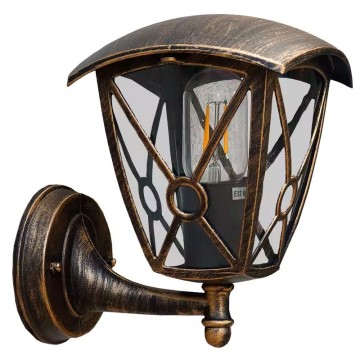 Outdoor Lighting Aluminum Modern Wall Light Garden Wall Lamp Holder E27 IP54 3W/ 5W/ 7W/ 9W/ 12W/ 15W
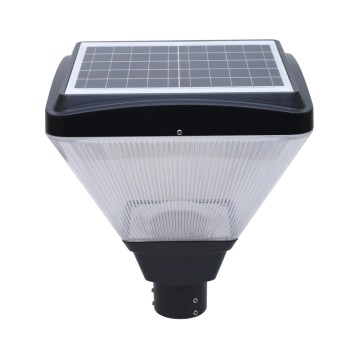 ST-G042 post top Solar LED Garden Light with lithium battary inside
🛠Professional LED Lighting, Global Trust with a Focus on Brazil
Established in 2016 in Changzhou City, China, Starslighting Technology Co., Ltd. has rapidly grown into a trusted leader in the global LED lighting industry. With 80 skilled employees and a 3,800㎡ manufacturing facility, the company produces up to 200,000 lighting sets annually.
In recent years, Brazil has become an increasingly vital market for outdoor solar street lamps. The country’s vast geography, high solar irradiance, and growing demand for sustainable infrastructure make solar lighting an ideal solution across urban and rural areas alike.
Brazilian cities are actively investing in solar street lamps to reduce dependence on unstable electrical grids and meet environmental targets. Popular applications include public parks, streets in remote or flood-prone locations, highways, and industrial parks, where solar lighting provides reliable, cost-effective illumination without the challenges of grid expansion or maintenance.
Starslighting has adapted its product lineup to meet the unique climate and regulatory conditions of Brazil, offering IP65/IP67 rated durable products with lithium battery storage optimized for tropical weather and seasonal variability.
By combining advanced LED chip technology, smart lighting controls, and solar PV innovation, the company aims to support Brazil’s expanding renewable energy goals and smart city initiatives, positioning its products as the sustainable backbone for Brazil’s next-generation outdoor lighting projects.

💡Company Strength
Our product portfolio emphasizes safety, reliability, energy conservation, and environmental protection. Exported worldwide—including Brazil and across South America—our solar street lamps meet stringent quality and performance standards.
Starslighting’s dedicated R&D team and quality control units ensure cutting-edge innovation and rigorous testing. We maintain advanced facilities such as integrating spheres, photometric darkrooms, and impact and aging testing chambers to guarantee product longevity under harsh conditions.
As a forward-thinking high-tech enterprise, Starslighting collaborates closely with Brazilian municipal bodies, renewable energy firms, and infrastructure developers to tailor solutions for Brazil’s diverse terrains—from urban centers in São Paulo to the Amazon's outlying settlements.
Awards & Certification
Starslighting Technology holds full CCC quality management system certification and international certificates like CE, CB, RoHS, ERP, and ISO certifications, assuring compliance and excellence.



📈Development History
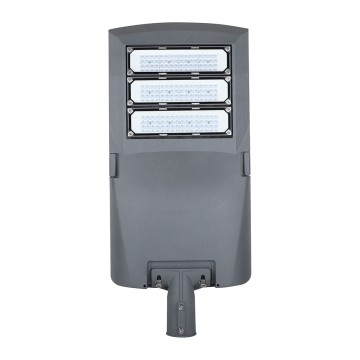 Economic Type LED Street Light 50W/ 100W/ 150W/ 200W IP65 - Brazil Edition
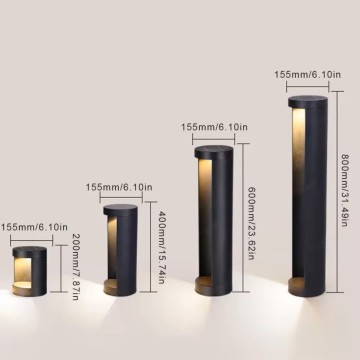 Pathway LED Bollard Lawn Light – Suitable for Brazilian Urban Parks
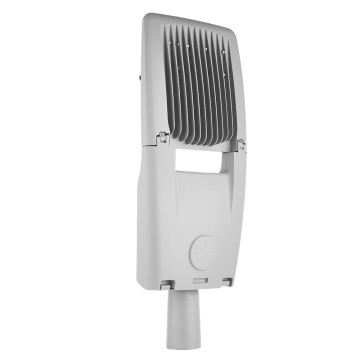 New Design LED Street Light IP65 – Tailored for Brazilian Roadways
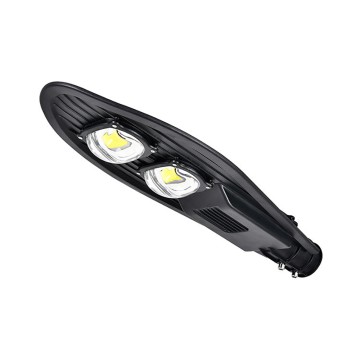 COB Traditional LED Street Light – Economic Type for Brazil
Economic Type LED Street Light – Expanded Options for Brazil Infrastructure
LED Bollard Pathway Light – Brazil Municipal Park Applications
Advanced LED Street Light Design – Supporting Brazil’s Smart City Vision
Traditional & Economic COB LED Street Light – Reliable Solution for Brazil
📊Company Strength Statistics
⚡Outdoor Solar Street Lamp Market in Brazil: Industry Trends & Growth
Brazil’s outdoor solar street lighting industry has witnessed transformative growth driven by multiple intersecting factors:
- Rising demand for green energy: Brazil’s government policies and social movements encourage renewable energy adoption, including off-grid solar solutions.
- Urbanization & Infrastructure Development: Rapid urban growth in cities like São Paulo, Rio de Janeiro, Belo Horizonte creates greater demand for energy-efficient street lighting.
- Cost Savings & Energy Security: Municipal and private sectors benefit from reduced energy bills and independence from unstable grids, especially in remote northern and Amazonian regions.
- Smart City Initiatives: Cities are integrating solar street lamps with IoT sensors and smart meters to optimize energy use and maintenance, enabling data-driven public service improvements.
- Technological Advancements: Innovations in lithium battery storage, LED chip efficiency, and solar panel durability create more robust and affordable solar lighting products suitable for Brazil’s tropical climate.
- Local Manufacturing & Partnerships: Increasing collaboration between international suppliers like Starslighting and Brazilian industrial partners helps foster product customization, faster delivery, and stronger after-sales support.
Looking ahead, the Brazilian outdoor solar lighting market is expected to grow annually by over 15%, fueled by advances in smart lighting technology and expanding governmental incentives supporting sustainability goals.