








How Solar Street Lights Work: Principles, Pros, and Cons
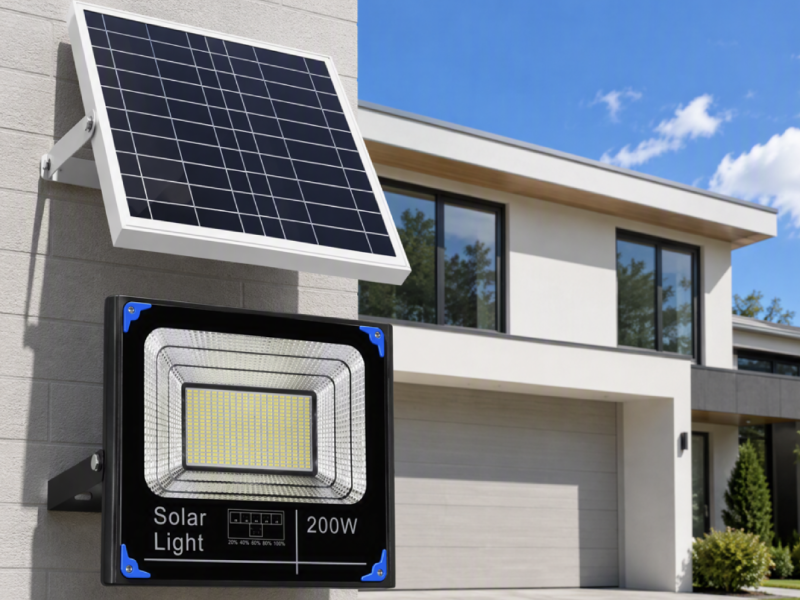
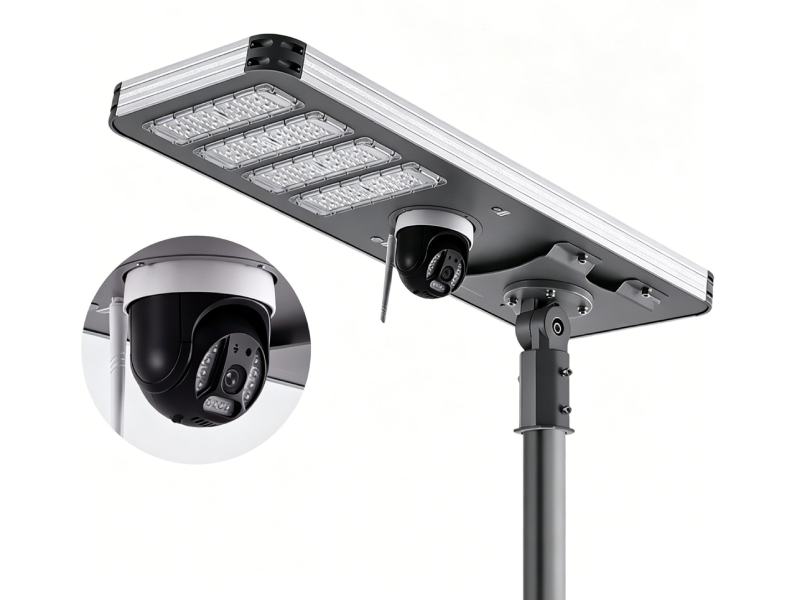
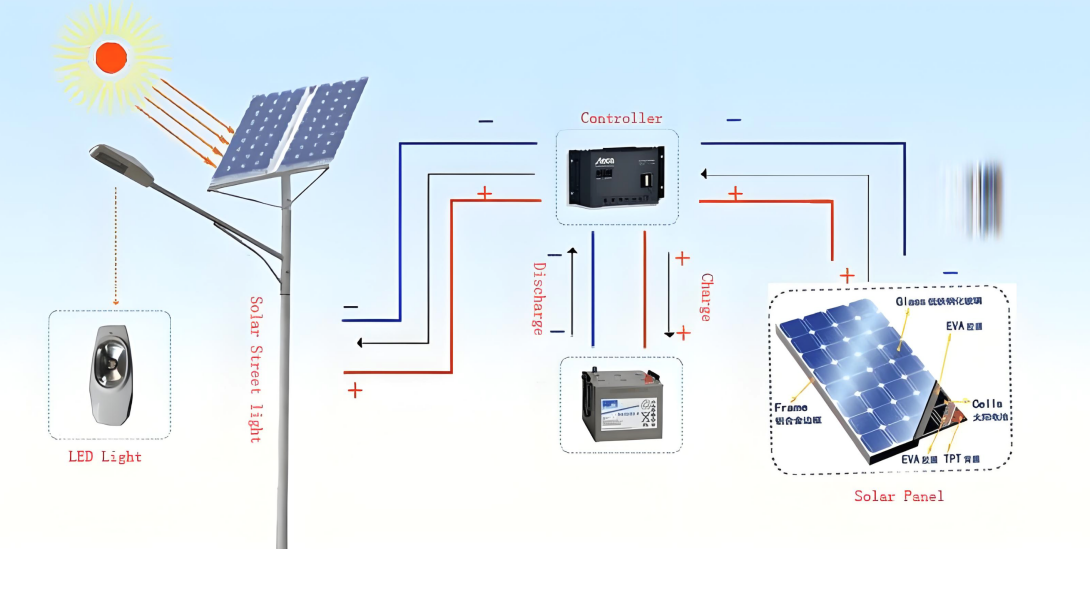
Solar street lights operate autonomously through an integrated system: photovoltaic panels convert daylight into electricity, stored in lithium or gel batteries via a smart charge controller. At dusk, a photocell sensor triggers high-efficiency LED lamps, drawing power from the battery until dawn. The controller prevents overcharging and deep discharge, ensuring system longevity.
Advantages
Zero grid dependency reduces electricity costs and carbon emissions. Installation is trench-free, ideal for remote or new-development areas. Minimal maintenance and resilience during power outages enhance public safety.
Disadvantages
High initial investment, weather-dependent performance (requiring sufficient battery capacity for cloudy periods), and periodic battery replacement (every 3–5 years). Efficiency may decline in high-latitude or heavily shaded locations.
Conclusion
Despite limitations, advancing solar panel efficiency and battery technology are rapidly improving viability. When strategically deployed with site-specific sizing, solar street lights deliver a sustainable, cost-effective lighting solution. They play a vital role in global green infrastructure initiatives, balancing ecological responsibility with practical urban and rural development needs.