Leave Your Message
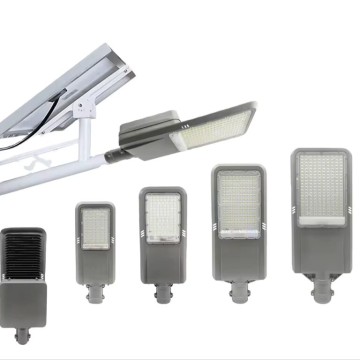
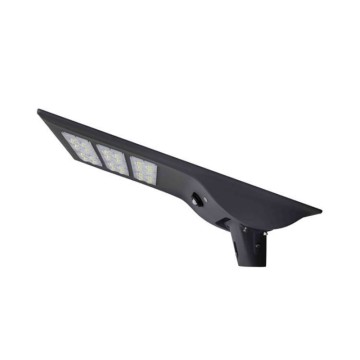
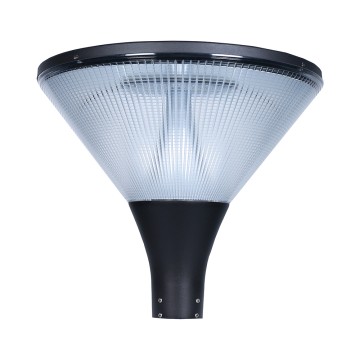
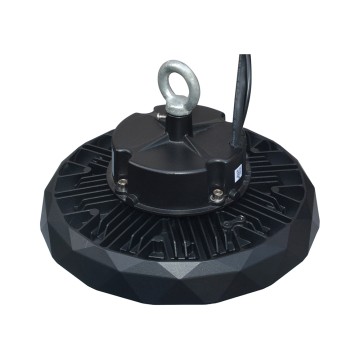
Engineered for high performance, durability, and seamless integration into modern building facades and urban landscapes.
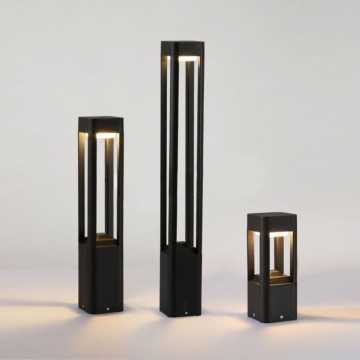
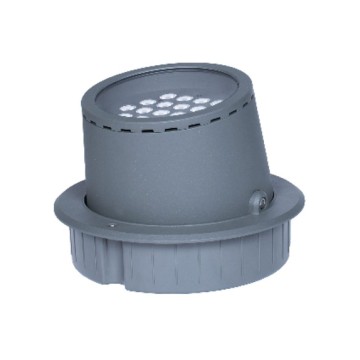
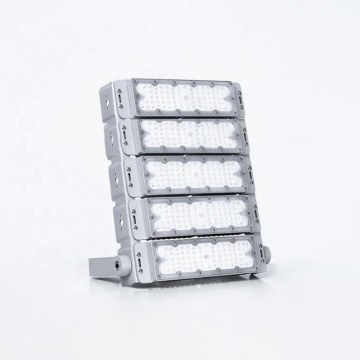
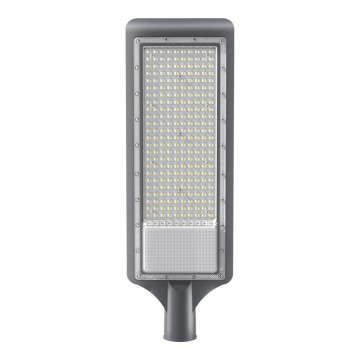
In the contemporary urban development ecosystem, the boundaries between functional public lighting and aesthetic architectural lighting are rapidly dissolving. Historically, street lights were designed purely for vehicular safety and pedestrian visibility, while facade lighting was treated as a separate luxury for landmark properties. Today, the integration of LED street lights for building facades and architectural lighting represents a major technological and design convergence.
Municipalities, real estate conglomerates, and urban designers are increasingly looking for unified outdoor lighting strategies. By using high-performance outdoor luminaires—such as street lights, floodlights, and landscape spot lights—to simultaneously light up roads and accent architectural structures, cities can dramatically reduce energy consumption, minimize light pollution, and create a cohesive nighttime identity. This dual-purpose trend is driving significant technological advancements in beam optics, smart control integration, and rugged structural housing.
The global smart city market is expected to grow exponentially over the next decade. Modern architectural facade lighting and street lighting projects are no longer isolated systems. They are connected via IoT networks, using protocols such as DALI, DMX512, and LoRaWAN, allowing operators to dynamically adjust brightness, color temperature, and patterns from a centralized dashboard.
Several key factors are accelerating the adoption of industrial-grade LED street lights and floodlights in building facade applications:
Using outdoor LED street lights and heavy-duty floodlights for architectural applications requires a deep understanding of lighting design and structural geometry. Below, we analyze the primary scenarios where these rugged fixtures are deployed to transform vertical surfaces and public spaces.
Facade grazing involves placing lights close to the building surface to highlight texture, such as natural stone, brick, or modern architectural panels. Wall washing, on the other hand, places the fixtures further back to create a smooth, even distribution of light across the surface. High-power outdoor LED floodlights and spot lights (like the ST-F028 model) are ideal here, providing the intense lumen output and precise beam angles required to throw light up multiple stories without losing intensity.
Bridges, overpasses, and public transit hubs are the backbones of urban infrastructure. These structures require robust street and area lights that can withstand constant vibration and harsh weather. By mounting specialized LED street lights with asymmetrical optics along bridge decks and support pillars, engineers can ensure safe driving conditions while highlighting the structural engineering marvels of the bridge itself.
For commercial real estate, the facade is a brand's signature. Utilizing programmable LED spot lights and floodlights allows companies to project corporate colors or dynamic lighting shows. Integrating these facade lights with surrounding street and garden bollard lights creates a seamless transition from the roadway to the building entrance, enhancing the premium feel of the property.
Illuminating historic buildings requires a delicate touch. The lighting must respect the original architecture without causing physical damage or visual disruption. High-CRI (Color Rendering Index) LED lights ensure that the natural colors of historical materials are preserved, while precise optical control prevents unwanted glare from entering the eyes of visitors.
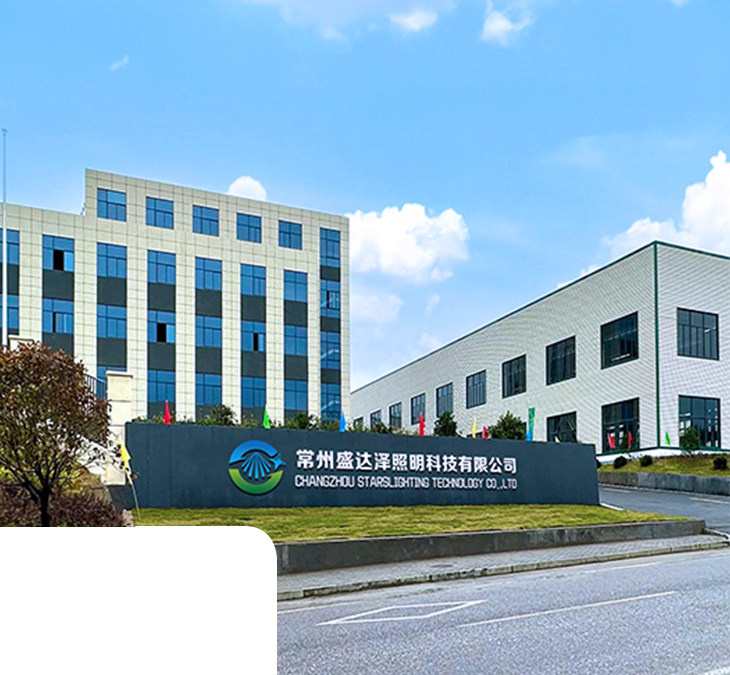
Changzhou Starslighting Technology Co., Ltd. was established in 2016 and is located in Hengshanqiao Town, Wujin District, Changzhou City, Jiangsu Province. The factory currently has 80 employees, building space about 3800 square meters, and its annual production capacity is up to 200,000 sets.

Products are built with waterproof, dustproof, and corrosion-resistant materials (e.g., IP65/IP67 ratings), ensuring reliable long-term performance in harsh outdoor environments.

Products are certified with CE, CB, RoHS, ERP, ISO, etc., and other globally recognized standards, facilitating smooth market entry and enhancing customer confidence.
From private courtyards to massive industrial complexes, our high-efficiency LED luminaires provide optimal illumination across diverse environments.
We provide end-to-end support, ensuring your architectural projects are backed by industry-leading manufacturing and customized engineering.




Our products comply with international standards, ensuring safety, efficiency, and reliability across global markets.





As technology marches forward, several key innovations are shaping the future of outdoor architectural LED lighting systems. Understanding these trends is crucial for real estate developers, municipal authorities, and architectural designers who wish to build future-proof lighting infrastructures.
Light pollution is an environmental concern that affects ecosystems and human health. The international lighting community is pushing heavily for "Dark Sky" compliant fixtures. This means that architectural facade lights and street lights must project light downward or directly onto target surfaces, minimizing sky glow. Our optical designs focus on shielding and precise beam angles to ensure compliance with strict environmental regulations while maintaining stunning visual impact.
Static lighting is rapidly giving way to dynamic solutions. Human-centric lighting adjusts the color temperature throughout the night. For example, early evening lighting might feature warm, inviting tones (2700K - 3000K) to encourage pedestrian activity and dining, transitioning to cooler, high-visibility tones (4000K - 5000K) during peak traffic hours, and finally dimming down to a soft amber late at night to protect local wildlife and conserve energy.
Modern LED lighting networks are becoming "smart nodes." Equipped with sensors and cameras, street lights can monitor traffic flow, air quality, and ambient light levels, adjusting their output in real time. In architectural facade lighting, AI algorithms can orchestrate complex lighting shows that react to environmental triggers, such as weather patterns, public events, or even real-time interactive inputs from pedestrians.
At Changzhou Starslighting, our manufacturing facility is geared towards these technological shifts. By utilizing premium LEDs, high-grade aluminum extrusions, and state-of-the-art optical lenses, we ensure that our street lights and floodlights perform flawlessly for over 50,000 hours, even in the most demanding architectural environments.
Explore our complete portfolio designed for high efficiency, modern aesthetics, and extreme durability.