Leave Your Message
As the Kingdom of Saudi Arabia aggressively pursues its Vision 2030 objectives, the nation is undergoing an unprecedented industrial and infrastructural transformation. From the futuristic mega-city of NEOM to the expansive logistics hubs in Riyadh and Jeddah, the demand for sustainable, high-performance industrial lighting has skyrocketed. At the core of this transformation are LED High Bay Lights, which have become the gold standard for illuminating large-scale commercial and industrial spaces across the Kingdom.
Historically, Saudi Arabian industries relied heavily on traditional Metal Halide and High-Pressure Sodium (HPS) fixtures. However, these outdated technologies suffer from excessive energy consumption, high heat emission, and short lifespans—critical flaws in a region where summer temperatures regularly exceed 50°C (122°F). Today, partnering with a reliable LED High Bay Light manufacturer is essential for businesses looking to optimize operational costs, comply with SASO (Saudi Standards, Metrology and Quality Organization) energy efficiency regulations, and reduce their carbon footprint.
Switching to modern LED High Bay lighting can reduce industrial energy consumption by up to 70% compared to legacy HID systems, directly supporting the Saudi Energy Efficiency Program (SEEP).


Products are built with waterproof, dustproof, and corrosion-resistant materials (e.g., IP65/IP67 ratings), ensuring reliable long-term performance in harsh outdoor environments.

Products are certified with CE, CB, RoHS, ERP, ISO, etc, and other globally recognized standards, facilitating smooth market entry and enhancing customer confidence.
Saudi Arabia's diverse industrial portfolio requires highly specialized lighting solutions. The local environment presents unique challenges: severe sandstorms (Shamal winds), coastal humidity in cities like Dammam and Jeddah, and intense thermal loads. Therefore, LED High Bay lights deployed in the Kingdom must feature robust die-cast aluminum housings, advanced thermal management (heat sinks), and high Ingress Protection (IP65/IP67) ratings to prevent dust and moisture penetration.
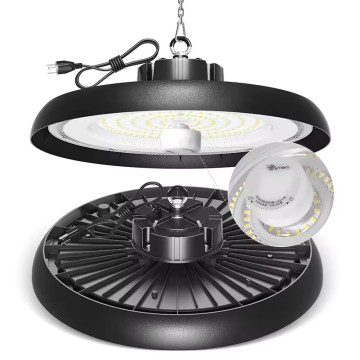
Industrial cities such as Jubail and Yanbu are home to massive petrochemical plants, refineries, and manufacturing facilities. These environments often require not just standard High Bay lights, but explosion-proof variants that guarantee safety in hazardous locations. Meanwhile, the booming e-commerce sector has led to the construction of colossal logistics centers and warehouses in Riyadh, demanding UFO LED High Bay lights with specialized optics to illuminate narrow aisles evenly without causing glare for forklift operators.
Our LED fixtures are engineered to operate flawlessly in extreme Middle Eastern climates, featuring anti-corrosion coatings ideal for desalination plants and coastal industrial zones along the Red Sea and Arabian Gulf.
Delivering unparalleled manufacturing excellence and localized support for Saudi Arabian projects.


The future of industrial lighting in Saudi Arabia is not just about illumination; it is about intelligence and integration. The growing trend of Smart Lighting and IoT (Internet of Things) is revolutionizing how facility managers operate. Modern LED High Bay lights are now frequently equipped with microwave motion sensors, daylight harvesting technology, and DALI/Zigbee wireless control systems. In massive facilities like the King Abdullah Economic City (KAEC), these smart systems allow lights to dim automatically when aisles are empty, maximizing energy savings and extending the lifespan of the fixtures.
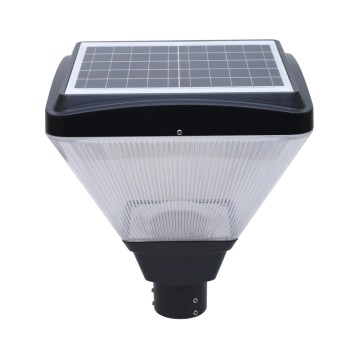
Furthermore, the integration of solar technology is gaining massive traction. With abundant year-round sunshine, hybrid and fully solar-powered LED lighting solutions are becoming highly sought after for remote industrial sites, mining operations, and off-grid desert facilities. Ensuring that these high-tech products meet international and local safety standards is paramount for any reputable manufacturer supplying the Saudi market.


When sourcing from a Led High Bay Light Manufacturer, Saudi buyers prioritize vendors who can provide comprehensive Dialux simulations, transparent warranty terms (typically 5+ years), and strict adherence to CB, CE, and SASO IECEE recognition certificates. This ensures a seamless customs clearance process and guarantees that the lighting infrastructure will stand the test of time in one of the world's most demanding industrial environments.