The Evolution of High-Performance Infrastructure Lighting
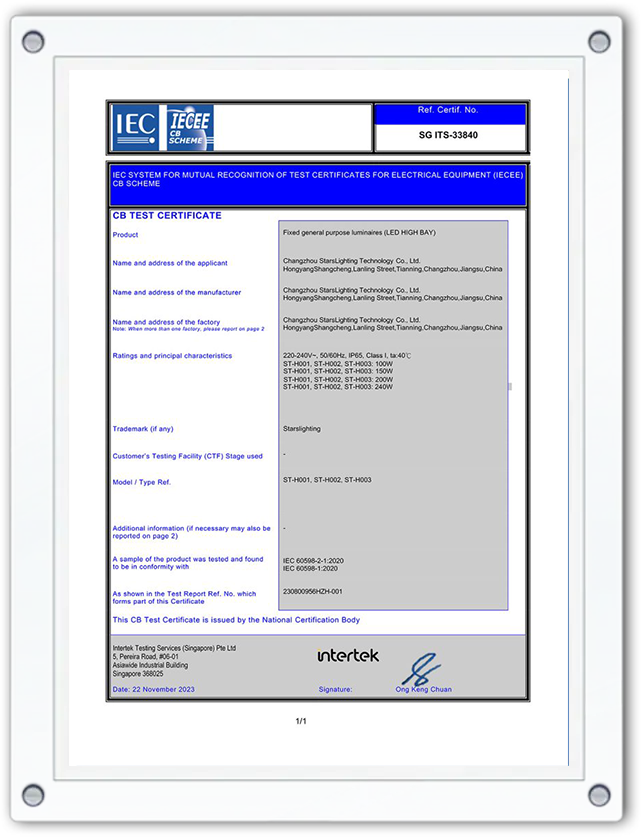
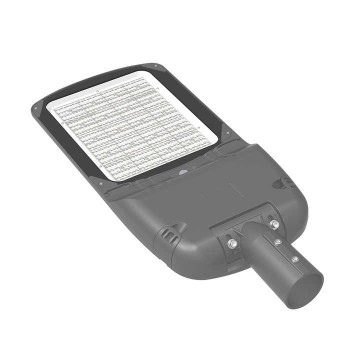
Modern transit systems, highways, and main municipal arterial roads demand robust, reliable, and highly efficient lighting systems. Historically, municipal and industrial planners relied heavily on High-Pressure Sodium (HPS) and Metal Halide (MH) lamps. While these traditional technologies served their purpose for decades, they carried massive operational burdens: high energy consumption, frequent maintenance cycles, slow warm-up times, and poor color rendering indices (CRI). Today, the integration of Led High Bay Industrial technology modified for Highway & Main Road Lighting has revolutionized infrastructure design, offering unparalleled energy conservation, enhanced public safety, and smart city connectivity.
Industry Insight: Transitioning public lighting networks to high-performance industrial LEDs reduces energy consumption by up to 60-70% immediately, with maintenance intervals extended from every 2 years to over 10 years.
Commercial & Industrial Status of Outdoor Municipal Lighting
Globally, the market for outdoor industrial and highway lighting is undergoing a rapid transition. Governments and private developers are aggressively adopting smart city mandates to reduce carbon footprints. High-power LED street lights and heavy-duty industrial high bays engineered for highway use represent a cornerstone of this initiative. Municipalities are no longer viewing lighting as merely a utility; it is now recognized as a critical asset for data collection, traffic monitoring, and environmental sustainability.
From a financial perspective, the Return on Investment (ROI) of retrofitting highways with advanced LED modules is stronger than ever. Lower wattage options (50W to 150W) replace traditional 150W-400W legacy systems, while high-power modules (200W to 400W) deliver intense, uniform illumination for multi-lane expressways and major intersections without creating dangerous glare zones. This commercial feasibility is further amplified by utility rebate programs and green energy subsidies globally.
Smart Grid Integration
Equipped with NEMA/ZHAGA interfaces, modern fixtures support wireless IoT nodes (LoRaWAN, Zigbee) for remote dimming and monitoring.
Advanced Optical Control
Precision lenses distribute light exactly where needed (Type II, III, or IV), eliminating sky glow and optimizing uniformity.
Thermal Management
Die-cast aluminum housings act as powerful heat sinks, keeping junction temperatures low to guarantee a lifespan exceeding 50,000 hours.
Development Trends in Highway & Main Road Lighting
1. IoT and Smart City Connectivity
The future of highway lighting lies in connectivity. Modern luminaires are designed to house intelligent sensors. These smart fixtures can adjust their brightness based on real-time traffic density, weather conditions, or ambient daylight levels. For example, during low-traffic midnight hours, lights can automatically dim to 30% capacity and ramp up instantly if an oncoming vehicle is detected by motion sensors. This adaptive lighting reduces energy waste while ensuring safety is never compromised.
2. Solar-Powered Autonomy
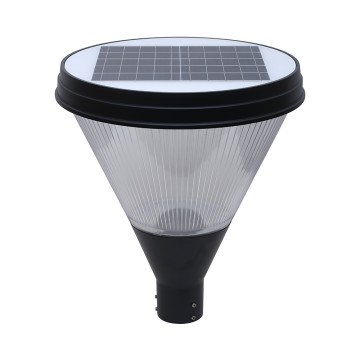
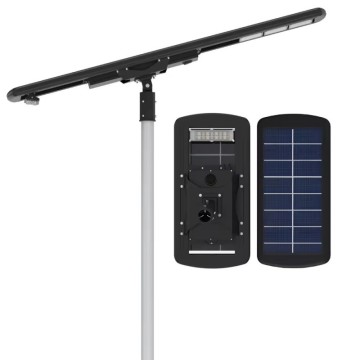
Off-grid highway sections and remote main roads benefit immensely from solar integrated LED lighting. By combining high-efficiency monocrystalline solar panels, lithium iron phosphate (LiFePO4) batteries, and high-lumen LED modules, municipalities can eliminate costly trenching and wiring expenses. The All-in-One solar designs feature intelligent power management systems that ensure continuous operation even through extended periods of rainy or overcast weather.
3. Circular Economy and Sustainable Manufacturing
Industrial lighting manufacturers are increasingly focusing on the lifecycle footprint of their products. This involves using recycled aluminum, modular driver components that can be easily replaced without discarding the entire fixture, and optics that prevent light pollution (Dark Sky Compliance). Minimizing glare and eliminating upward light ratio (ULR) are critical design parameters for modern road development.
Deep Application Scenarios Analysis
Highways and Expressways
High-speed driving environments require maximum visual comfort. Poor lighting uniformity can cause a "zebra effect," creating alternating bright and dark patches that cause eye fatigue and delay driver reaction times. LED High Bay and street lighting fixtures designed for highways utilize specialized asymmetric lenses to distribute light evenly across multiple lanes. High color rendering (CRI > 70/80) ensures that road signs, lane markings, and potential hazards are immediately visible to drivers traveling at high speeds.
Urban Main Roads & Arterial Streets
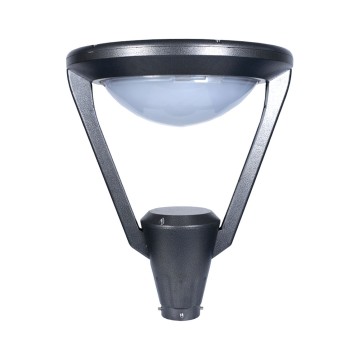
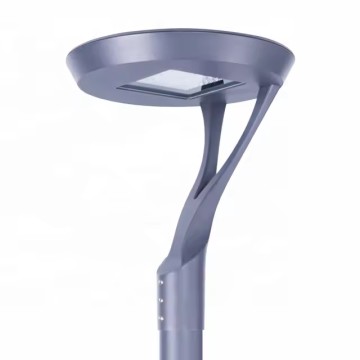
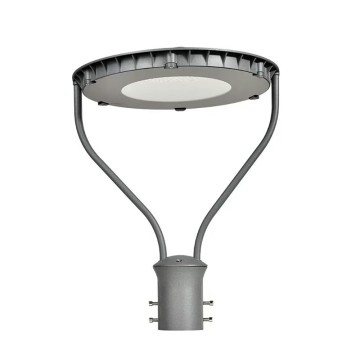
Unlike isolated expressways, urban main roads involve a complex mix of vehicular traffic, cyclists, and pedestrians. Lighting in these areas must serve a dual purpose: illuminating the roadway for drivers and securing sidewalks and crossings for pedestrians. Post-top and garden-style LED fixtures with architectural designs are frequently deployed along main roads to enhance the urban landscape while providing powerful, glare-controlled downlight illumination.
Tunnels and Underpasses
Tunnels present one of the most demanding challenges in infrastructure lighting. Drivers entering a tunnel during a bright day experience a temporary "black hole effect" if the entrance is not sufficiently illuminated. Tunnel lighting requires continuous, high-output operation with strict control over glare. Furthermore, because tunnels accumulate high levels of vehicle exhaust, dust, and moisture, the fixtures must carry high IP ratings (IP66 or IP67) to withstand regular high-pressure washdowns and corrosive environments.
Industrial Logistics Hubs & Toll Plazas
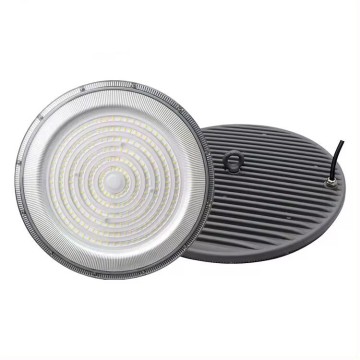
At highway interchanges, toll plazas, and heavy-duty industrial logistics parks, high-mast lighting is required to cover expansive areas. Industrial UFO High Bays and high-power street lights are mounted at heights of 12 to 30 meters. These systems must deliver massive lumen outputs (often exceeding 40,000 lumens) to ensure safe navigation for large commercial trucks, loading operations, and security monitoring.
Key Engineering Selection Criteria
- Luminous Efficacy: Modern installations require at least 130 lm/W to 160 lm/W to maximize energy savings.
- Surge Protection: Outdoor grids are highly susceptible to lightning strikes. High-quality fixtures must include 10kV or 20kV Surge Protection Devices (SPD).
- Ingress Protection (IP Rating): IP65 is the bare minimum, while IP66 or IP67 is preferred for harsh highway environments to prevent moisture and dust ingress.
- IK Rating (Impact Protection): Vandalism and debris from high-speed traffic require robust polycarbonate or tempered glass covers with IK08 or IK09 ratings.