
Leave Your Message
The global sports industry has witnessed a paradigm shift in how stadiums and football fields are illuminated. LED architectural lighting for football fields and sports venues is no longer just a functional necessity; it has evolved into a critical component of the fan experience, player performance, and broadcasting quality. The transition from traditional metal halide lamps to advanced LED systems marks a monumental leap in the commercial and industrial landscape of sports infrastructure. Modern stadiums are highly complex ecosystems where lighting plays a multifaceted role, ranging from establishing the architectural identity of the venue to ensuring high-definition (HD) and ultra-high-definition (4K/8K) broadcasting standards are met with absolute precision.
In the current commercial landscape, sports venue operators are under immense pressure to maximize the utilization of their facilities. This means hosting not only daytime football matches but also nighttime games, concerts, cultural events, and corporate gatherings. LED architectural lights offer the versatility required to transform a football field into a multi-purpose entertainment hub within minutes. The industrial manufacturing of these lights has also scaled significantly. Manufacturers are integrating aerospace-grade aluminum alloys, superior thermal management systems, and advanced optical lenses to create fixtures that can withstand extreme outdoor weather conditions—from blistering heat to freezing rain—while maintaining consistent lumen output over tens of thousands of hours.
Furthermore, the development trend is heavily leaning towards intelligent lighting ecosystems. The integration of IoT (Internet of Things) allows facility managers to control thousands of individual light fixtures through centralized digital dashboards. This level of granular control enables dynamic lighting shows that synchronize with music, team colors, and crowd reactions, elevating the emotional atmosphere of the game. The commercial implications are profound: enhanced aesthetic appeal attracts higher ticket sales, premium sponsorships, and lucrative broadcasting contracts. As the sports world becomes increasingly competitive, investing in cutting-edge LED architectural lighting is recognized not as an operational expense, but as a strategic asset that yields a substantial return on investment (ROI).
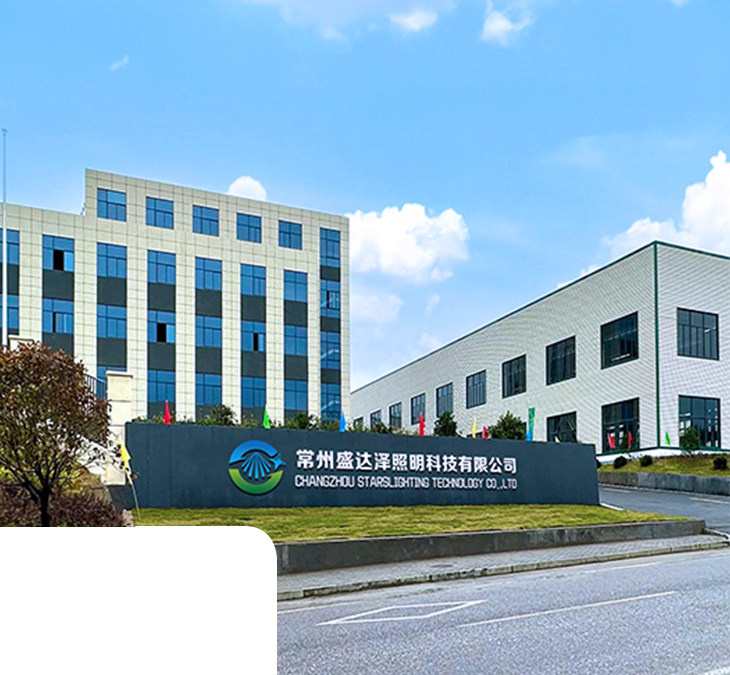
Changzhou Starslighting Technology Co., Ltd. was established in 2016 and is located in Hengshanqiao Town, Wujin District, Changzhou City, Jiangsu Province. The factory currently has 80 employees, building space about 3800 square meters, and its annual production capacity is up to 200,000 sets.

Products are built with waterproof, dustproof, and corrosion-resistant materials (e.g., IP65/IP67 ratings), ensuring reliable long-term performance in harsh outdoor environments.

Products are certified with CE, CB, RoHS, ERP, ISO, etc, and other globally recognized standards, facilitating smooth market entry and enhancing customer confidence.
When analyzing the deep application scenarios of LED architectural light for football fields and sports venues, we must look beyond the main pitch. A modern stadium is a sprawling complex, and lighting must be meticulously engineered for various distinct zones, each with its own set of strict requirements.
1. The Main Playing Surface (The Pitch): The lighting here must achieve high vertical and horizontal illuminance to eliminate shadows, ensuring players can track the fast-moving ball without glare. Anti-glare technology is paramount, utilizing specialized optical shields and asymmetrical beam angles to direct light precisely onto the field while protecting the eyes of players and spectators. Additionally, broadcasting standards dictate high Color Rendering Index (CRI > 90) and Television Lighting Consistency Index (TLCI), ensuring that the vibrant green of the turf and the distinct colors of the team jerseys are captured flawlessly by high-speed cameras without flickering, even during slow-motion replays.
2. Stadium Facades and Architectural Features: The exterior of a sports venue is its commercial billboard. Architectural LED spot lights and linear wall washers are deployed to illuminate the stadium's structural skeleton, creating a landmark visible from miles away. These RGBW (Red, Green, Blue, White) LED systems can change colors to reflect the home team's branding, celebrate national holidays, or promote specific sponsors. This dynamic exterior lighting transforms the physical structure into a living, breathing entity that engages the community before they even enter the gates.
3. Spectator Stands and Concourses: Safety and comfort are the primary goals here. Lighting must provide clear visibility for crowd movement, emergency evacuations, and wayfinding. However, it must not spill over onto the pitch or cause discomfort. Intelligent dimming systems adjust the brightness in the stands based on the phase of the game—dimming during the match to focus attention on the field, and brightening during halftime or at the end of the event.
4. Perimeter, Parking, and Walkways: The fan experience begins at the parking lot. High-efficiency LED post top lights, lawn lights, and floodlights ensure secure and welcoming perimeters. These fixtures must be highly durable (IP65/IP67 rated) to resist vandalism and weather elements while providing uniform illumination that minimizes dark spots, thereby enhancing security surveillance systems.
The future of LED architectural light for football fields and sports venues is intrinsically linked to Artificial Intelligence (AI) and smart automation. As we look at the development trends, the concept of a "dumb" light fixture simply turning on and off is obsolete. Today's industrial lighting fixtures are data nodes within a massive smart city or smart stadium network.
AI-driven lighting management systems utilize machine learning algorithms to optimize energy consumption based on real-time data. Sensors embedded in the lighting infrastructure can detect ambient daylight levels, weather conditions, and crowd density, automatically adjusting the lumen output to maintain optimal visibility while minimizing electricity usage. Predictive maintenance is another groundbreaking trend. AI systems monitor the temperature, voltage, and operational hours of each LED module. By analyzing this data, the system can predict when a specific fixture is likely to fail or experience significant lumen depreciation, alerting maintenance crews to replace or repair the unit before it impacts an event. This proactive approach drastically reduces downtime and maintenance costs.
Furthermore, the integration of DMX512 and DALI (Digital Addressable Lighting Interface) protocols allows for unprecedented creative control. Lighting designers can program intricate light shows that synchronize with audio-visual systems. When a goal is scored, the entire stadium's lighting can instantly pulsate in the team's colors, creating an electrifying atmosphere. This level of technological sophistication not only enhances the entertainment value but also provides new revenue streams through sponsored lighting takeovers during key moments of a match.

Offers end-to-end customization—from product design and light-source specifications to smart control systems—tailored to clients’ specific project requirements and application scenarios, supporting OEM/ODM services.

Maintains a worldwide after-sales service network with local teams providing rapid response, technical guidance, and spare parts replacement.

Equipped with an agile R&D and manufacturing system, enabling quick sample production and efficient mass delivery to help clients seize market opportunities.

Goes beyond product supply by offering continuous support—including lighting solution design, installation advice, and system upgrades—to foster long-term client relationships.
In the context of global climate change and stringent environmental regulations, the sustainability of LED architectural light for football fields and sports venues is a driving force behind industrial adoption. Traditional lighting systems are notorious for their massive energy consumption and frequent replacement cycles, which generate significant hazardous waste due to the presence of mercury and other heavy metals. In stark contrast, modern LED sports lighting solutions are 100% recyclable and consume up to 70% less energy to produce the same, if not better, illumination levels.
The reduction in carbon footprint is staggering. For a major football stadium, switching to high-efficiency LED floodlights can eliminate thousands of tons of CO2 emissions annually. This aligns with the sustainability goals of international sports governing bodies like FIFA and the IOC, who increasingly mandate green building certifications (such as LEED) for new and renovated venues. From a commercial perspective, this massive reduction in energy consumption translates directly to a rapid Return on Investment (ROI). While the initial capital expenditure for professional LED sports lighting is higher than traditional systems, the payback period is typically achieved within 2 to 4 years through energy savings and drastically reduced maintenance labor costs.
Looking ahead, the evolution of LED technology will continue to push the boundaries of what is possible in sports architecture. Innovations in solid-state lighting, miniaturization of components, and integration with renewable energy sources (such as solar-powered perimeter lighting) will define the next decade. As stadiums evolve into year-round community hubs rather than just weekend match venues, the demand for robust, intelligent, and aesthetically superior LED architectural lighting will only intensify, cementing its status as an indispensable pillar of modern sports infrastructure.




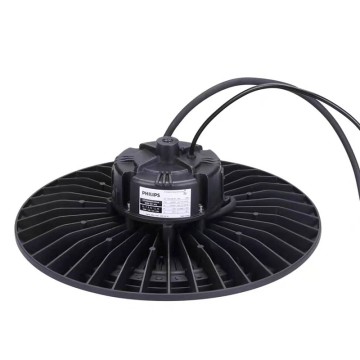 Indoor Sports Arena LED High Bay Light 100W-240W
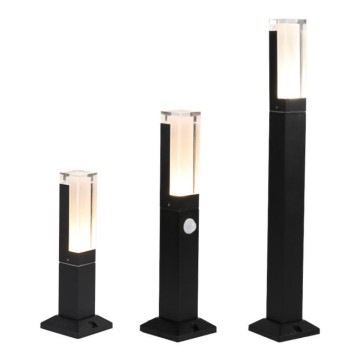 Landscape LED Path Light for Stadium Exteriors
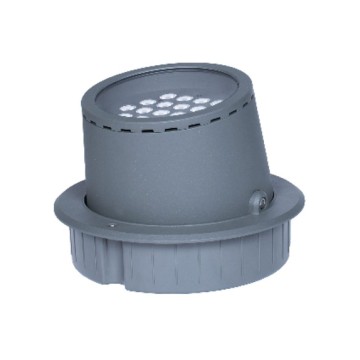 Architectural LED Spot Light for Stadium Facades
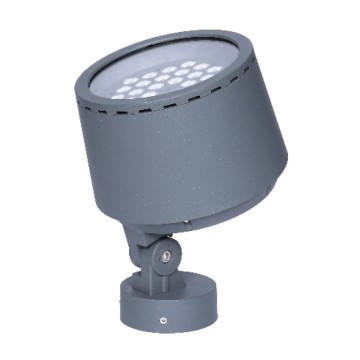 Adjustable LED Spot Light for Sports Field Perimeters
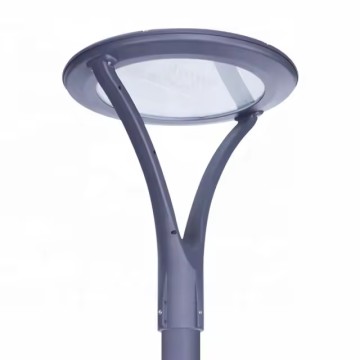 Post Top LED Light for Venue Walkways 30W-100W
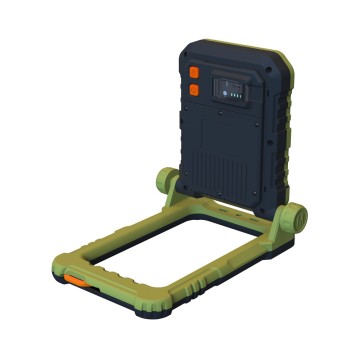 Portable LED Flood Light for Sports Events Maintenance
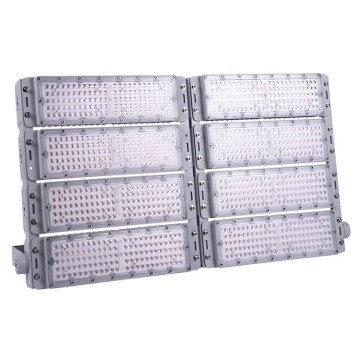 Professional LED Flood Light for Football Fields up to 1200W
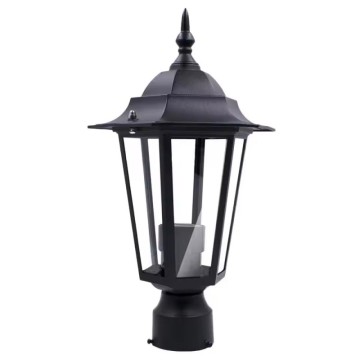 Modern Pillar Light for Stadium Entrances