Leave Your Message
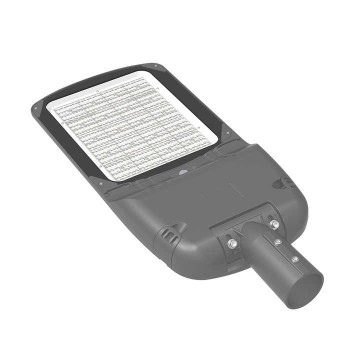
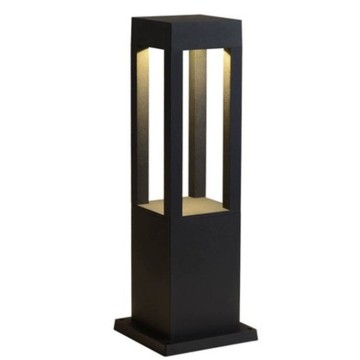
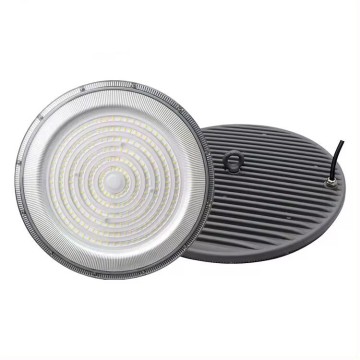
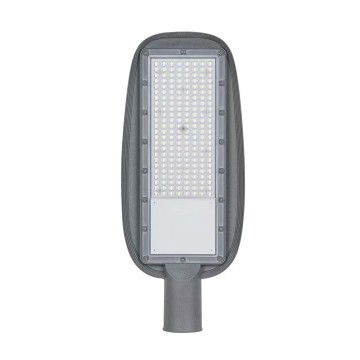
Modern architecture is no longer defined solely by physical materials, structural geometry, or height. Instead, the interaction between light and structure has become a vital design element. LED architectural lights for building facades and architectural lighting represent a multi-billion dollar global market driven by rapid urbanization, the rise of smart city initiatives, and an increasing focus on sustainable construction practices. Structural lighting serves a dual purpose: it accentuates a building's unique design features after dark while enhancing security, branding, and energy efficiency.
The global facade lighting market is expanding rapidly. Real estate developers, municipal planning departments, and corporate entities recognize that dynamic external lighting increases the commercial value of properties. A well-illuminated facade turns a building into a local landmark, boosting foot traffic for retail zones and enhancing corporate branding. Furthermore, green building certifications like LEED, BREEAM, and WELL demand lighting solutions that minimize light pollution and energy consumption. Modern architectural LED fixtures address these needs by delivering high lumen output with minimal wattage.
Architectural lighting is not a one-size-fits-all discipline. Different structural forms require specialized optical configurations, mounting methods, and control parameters to achieve the desired visual effect without causing glare or light spill.
For modern glass curtain walls and high-rise office towers, linear LED wall washers and pixel-addressable media mesh systems are commonly used. These fixtures integrate directly into the structural mullions, turning the facade into a digital canvas. They display corporate branding, artistic patterns, or holiday themes while maintaining high energy efficiency.
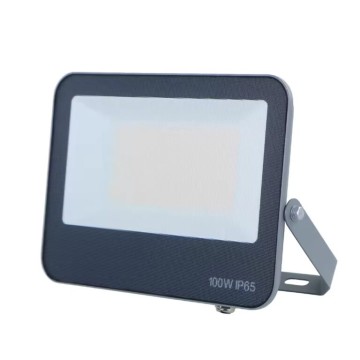
Preserving heritage buildings requires non-invasive mounting and precise beam control. Narrow-beam LED floodlights and spotlighting systems accentuate intricate stone carvings, columns, and arches. Using high Color Rendering Index (CRI) LEDs preserves the authentic colors of historical building materials.
Lighting public infrastructure requires high-durability fixtures that can withstand wind loads, vibration, and moisture. Heavy-duty LED floodlights and linear structural lighting outline structural cables, pylons, and decks, turning functional transport corridors into beautiful nighttime landmarks.
To deliver consistent illumination across hundreds of meters of vertical facade, fixtures must feature precise optics. Asymmetric lenses project light evenly up the structure, preventing bright hot spots at the base and dark areas at the top. Additionally, robust thermal management is critical. Advanced die-cast aluminum heat sinks dissipate heat quickly, maintaining a low junction temperature. This design ensures that LEDs achieve their rated lifespan of over 50,000 hours, even in hot climates.
The architectural lighting industry is evolving rapidly, driven by technological breakthroughs in control systems, material science, and sustainability. Key trends shaping the future of this sector include:
Architectural facade lights are increasingly integrated into broader smart city IoT networks. Fixtures now feature sensors that monitor air quality, ambient light levels, and traffic flow. These smart systems adjust facade brightness based on real-time weather conditions and human activity, optimizing energy use.
As cities combat light pollution, architectural lighting design is prioritizing environmental protection. Modern fixtures feature shielded optics that direct light only onto the intended structure, eliminating upward spill. Tunable white technology also allows cities to adjust color temperatures, minimizing disruption to local wildlife.
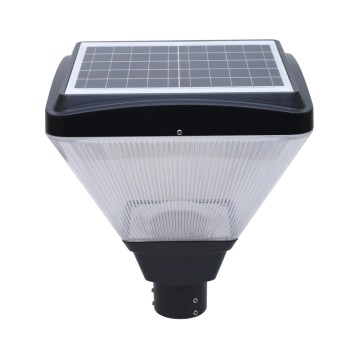
With solar panel efficiency improving, architects are exploring ways to integrate solar harvesting systems directly into building facades. These systems power localized, low-voltage LED accent lighting, reducing a building's grid dependence and lowering its operating costs.
Interactive facade lighting uses motion sensors, camera feeds, or social media inputs to change colors and patterns in real time. This technology transforms buildings from static structures into interactive public installations, fostering community engagement.
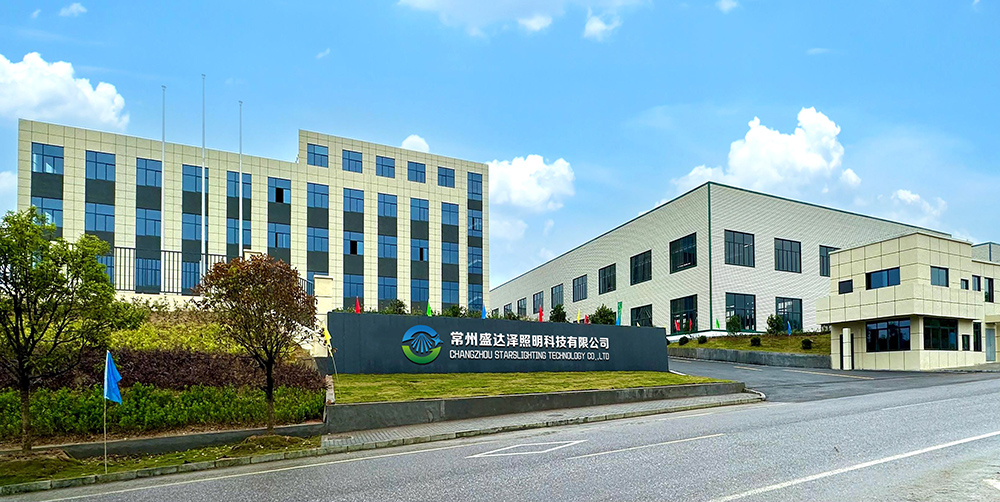
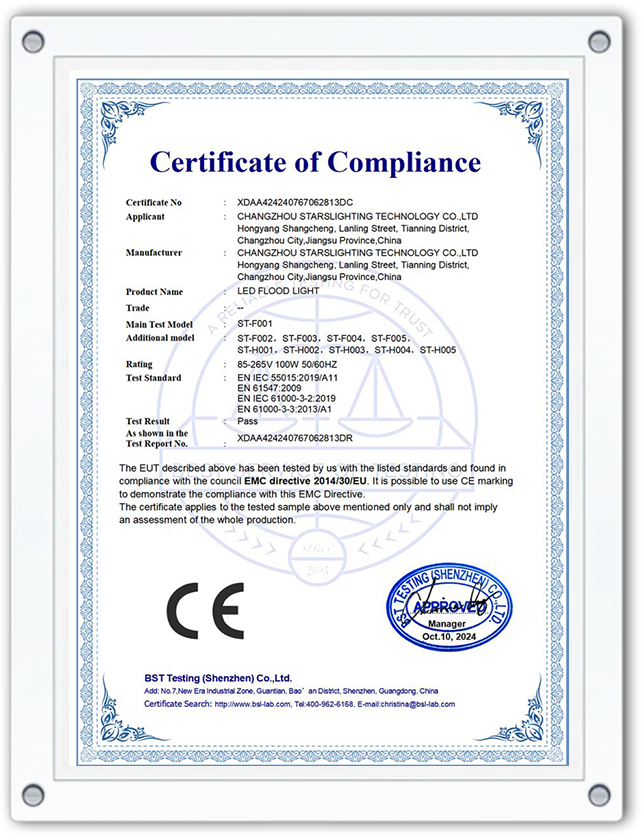
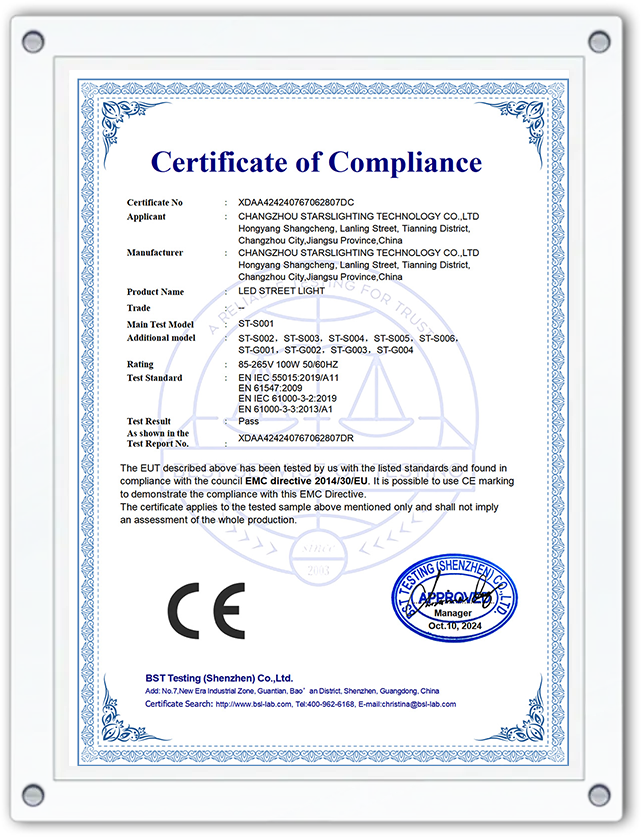
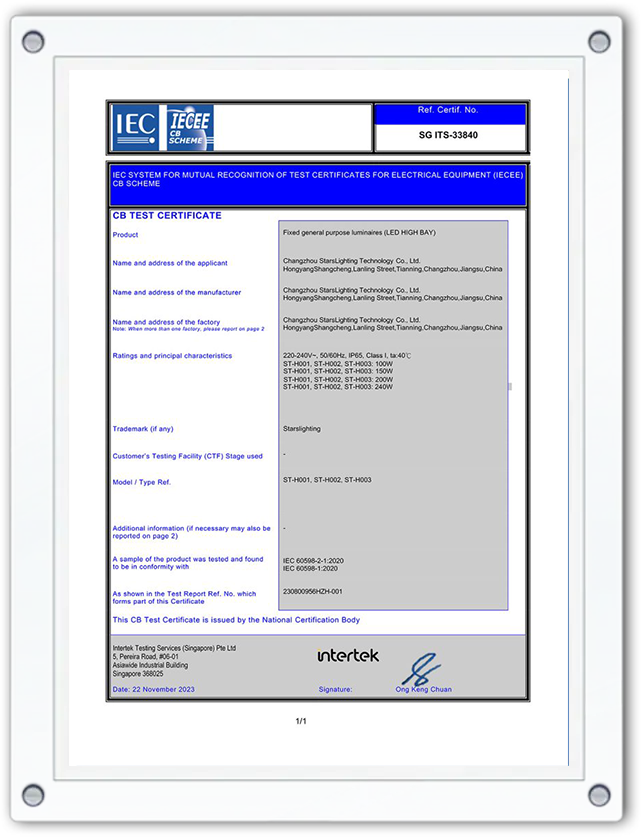
Established in 2016 and located in Hengshanqiao Town, Wujin District, Changzhou City, Jiangsu Province, Starslighting Technology has long been committed to the research and development, production, and sales of high-end LED Street Lights, LED Garden Lights, LED Flood Lights, LED Tunnel Lights, LED High Bay Lights, Solar Lights, and LED Smart Lights.
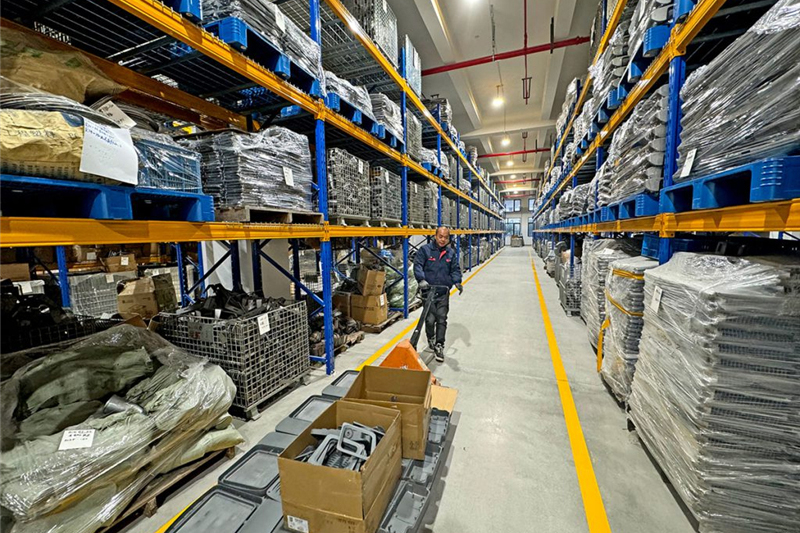
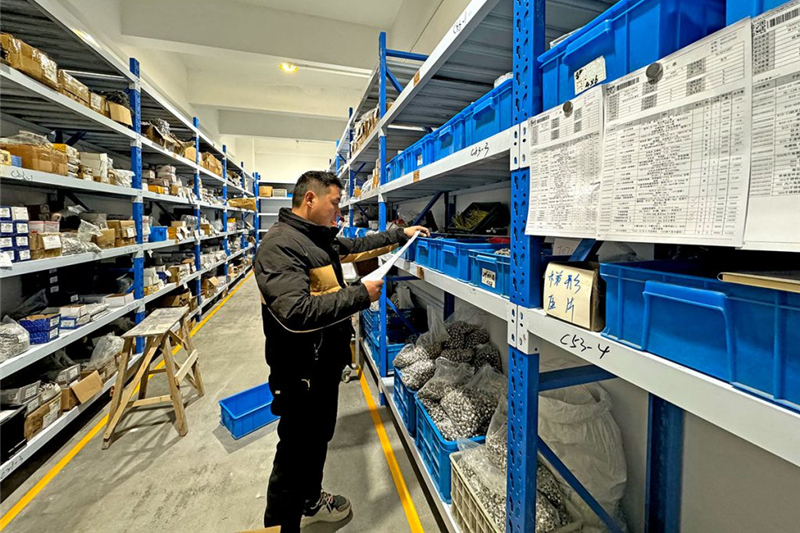
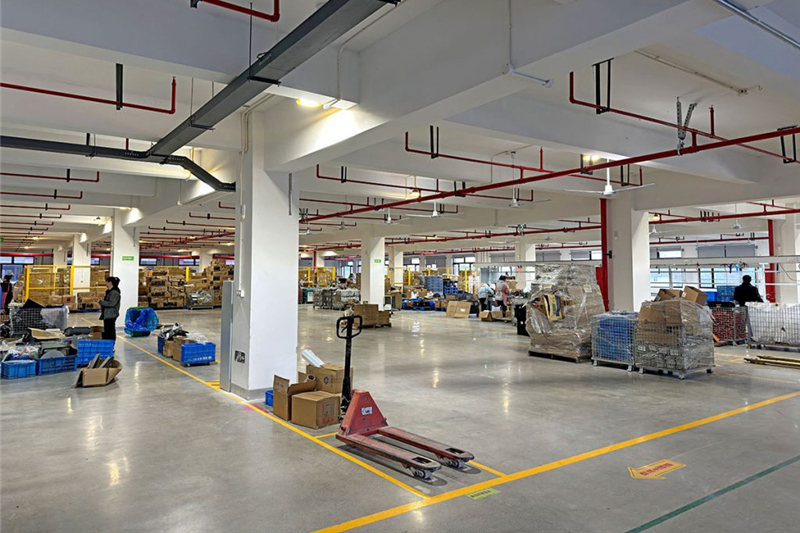
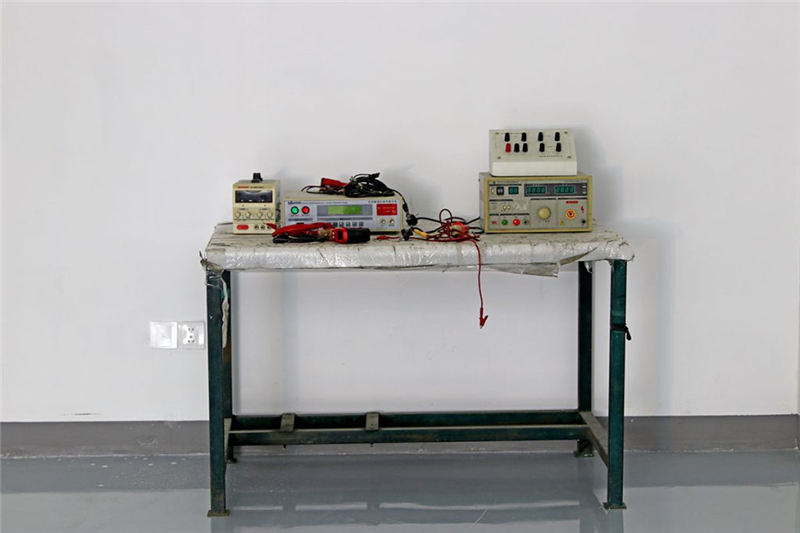
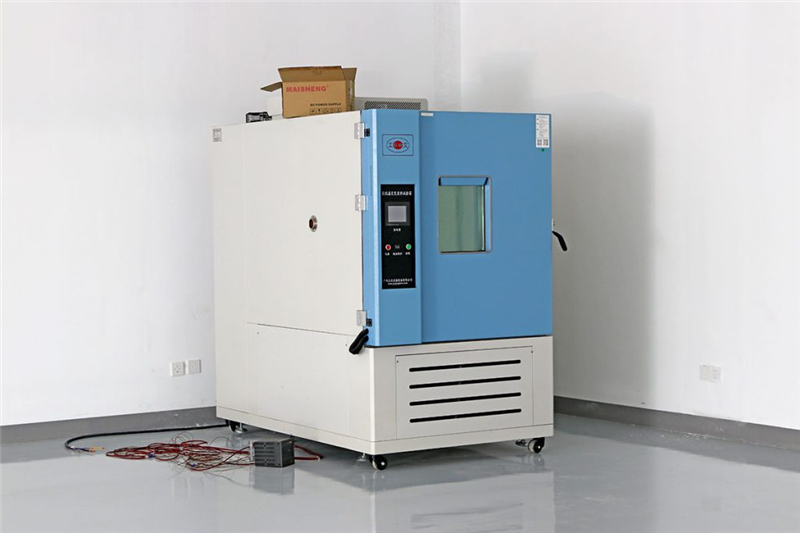
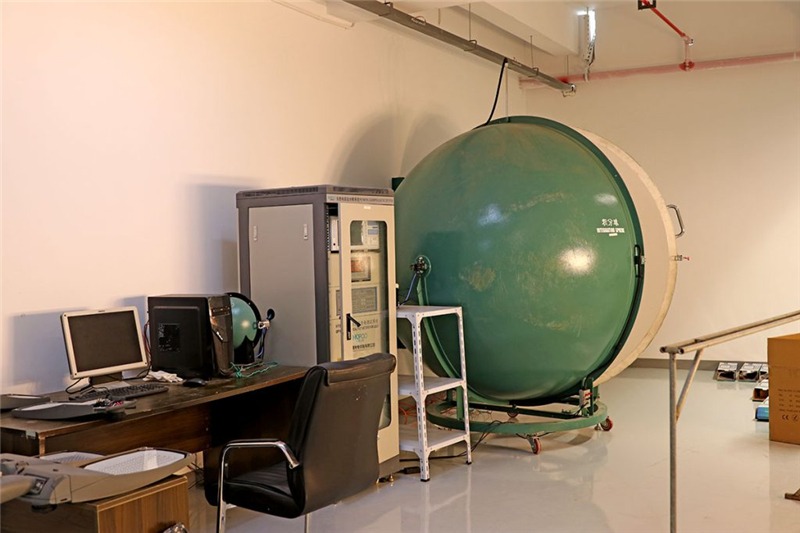
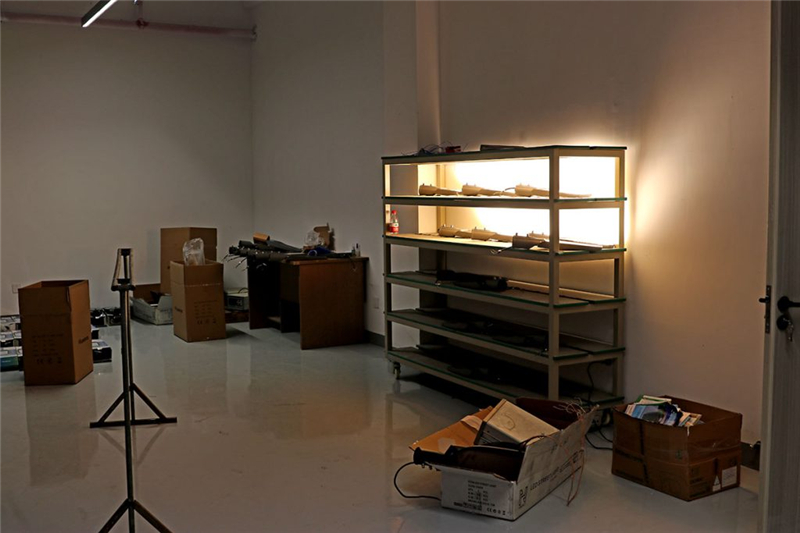
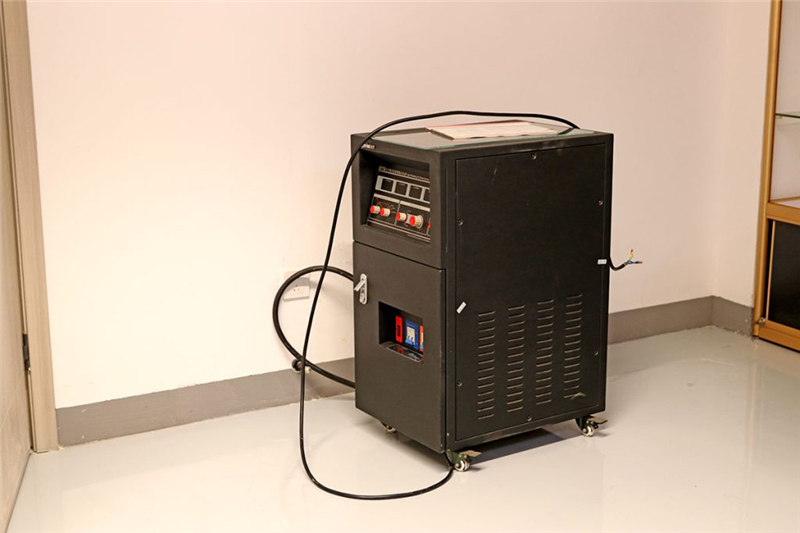
To better serve our partners and expand into international markets, Starslighting Technology has established a dedicated technical team (5+ members) and a specialized after-sales service and quality control team (3+ members). Focused on our core expertise in outdoor lighting products, we are equipped with professional testing and manufacturing facilities, including an integrating sphere, Distribution Photometric Darkroom, impact testing equipment, aging test chambers, and SMT pick-and-place machines.
Our complete production and quality management system, professional R&D and manufacturing team, first-class production equipment, and excellent after-sales service team have made Starslighting well-known in the global outdoor lighting industry.