Leave Your Message
Engineered for high efficacy, extreme environments, and precise light control.
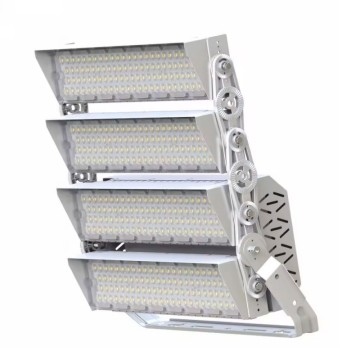
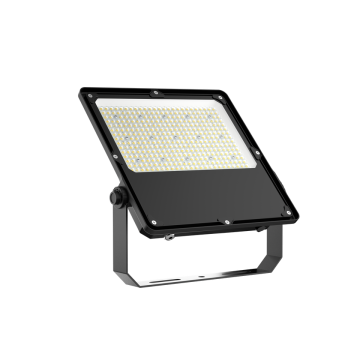
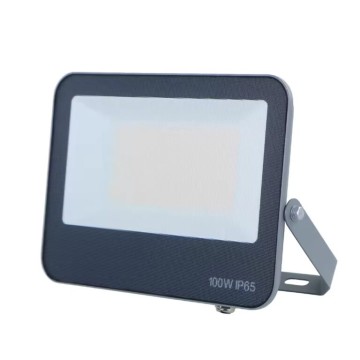
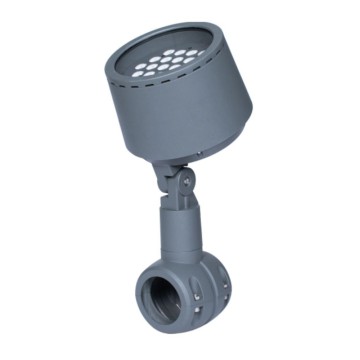
Modern highway and main road networks form the lifeblood of global commerce, linking industrial hubs, metropolitan centers, and rural communities. Providing safe, reliable, and energy-efficient lighting across these vast transit networks is a paramount challenge for municipalities and civil engineers alike. The emergence of Dimmable LED High Bay Lights has revolutionized this landscape, transition public illumination from static, high-consumption legacy systems to dynamic, smart infrastructure assets.
Historically, high-pressure sodium (HPS) and metal halide fixtures dominated highway lighting. While robust, these legacy systems suffer from high energy consumption, short operational lifespans, and a complete lack of control flexibility. In contrast, today's dimmable LED systems combine high-efficacy solid-state lighting with intelligent control protocols (such as 0-10V, DALI, and wireless IoT networks like LoRa and Zigbee). This enables real-time adjustments of light output based on traffic density, weather conditions, and ambient daylight, drastically reducing municipal energy footprints while enhancing driver visibility.
From an industrial perspective, the global smart street and highway lighting market is experiencing exponential growth. Driven by government mandates for carbon neutrality and smart city initiatives, municipalities are aggressively replacing traditional fixtures. The commercial viability of dimmable LED high bay lights is anchored in their rapid Return on Investment (ROI). The integration of dimming capabilities enables "adaptive lighting profiles." For instance, light levels can be maintained at 100% during peak commute hours (5:00 PM to 8:00 PM), reduced to 70% during late evening, and further dimmed to 40% during off-peak hours (1:00 AM to 5:00 AM) when vehicular traffic is minimal. This dynamic scheduling yields energy savings of up to 50% over standard non-dimmable LEDs, and up to 80% compared to legacy HPS lamps.
Dimming protocols allow municipal grids to reduce power draw by up to 60% during off-peak traffic hours without compromising basic safety standards.
Operating LEDs at lower drive currents through dimming reduces thermal stress, extending the lifetime of the driver and LED chips beyond 100,000 hours.
Precise optical control paired with dimming ensures that highways are brightly lit, while neighboring ecological zones and residential areas remain protected.
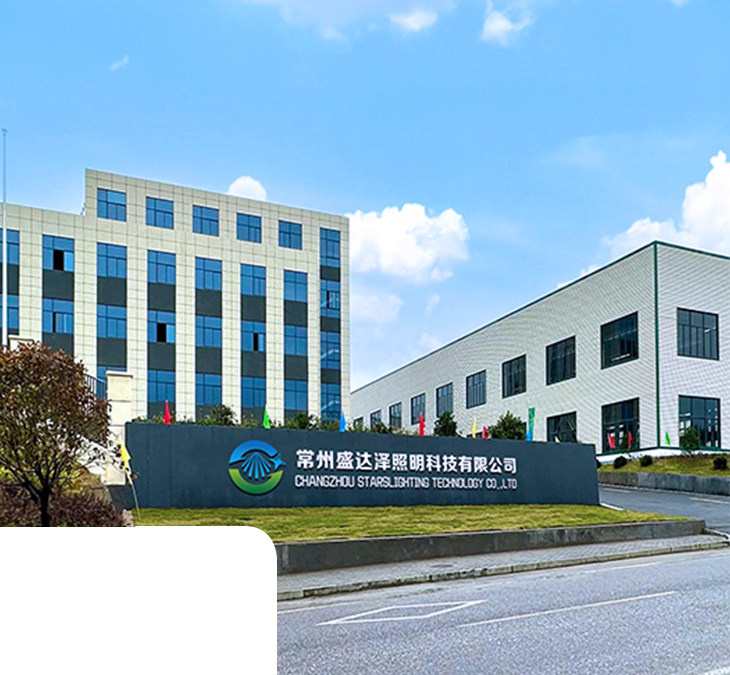
Changzhou Starslighting Technology Co., Ltd. was established in 2016 and is located in Hengshanqiao Town, Wujin District, Changzhou City, Jiangsu Province. The factory currently has 80 employees, building space about 3800 square meters, and its annual production capacity is up to 200,000 sets.

Products are built with waterproof, dustproof, and corrosion-resistant materials (e.g., IP65/IP67 ratings), ensuring reliable long-term performance in harsh outdoor environments.

Products are certified with CE, CB, RoHS, ERP, ISO, etc., and other globally recognized standards, facilitating smooth market entry and enhancing customer confidence.
Highways and main roads are complex environments consisting of high-speed sections, intersections, tunnels, and pedestrian interfaces. Each of these zones demands tailored lighting characteristics to optimize safety and operational efficiency.
Expressways require highly uniform lighting distributions to prevent the "zebra effect"—alternating patterns of bright and dark spots on the road surface that cause visual fatigue for drivers traveling at high speeds. Dimmable LED high bay lights equipped with asymmetric optics project light forward and across the lanes, maximizing pole spacing while maintaining optimal illuminance. During adverse weather (heavy rain, snow, or fog), these smart fixtures can automatically increase their brightness or adjust color temperatures to improve contrast and visibility, mitigating multi-vehicle collision risks.
Unlike isolated highways, urban main roads interact with commercial districts, residential zones, and pedestrian pathways. Lighting here must balance vehicular safety with community comfort. Intelligent dimming systems allow municipalities to reduce light levels in the early hours of the morning, mitigating light intrusion into adjacent residential windows. Additionally, integration with motion sensors can temporarily boost illumination levels when pedestrians approach crosswalks, ensuring active safety for vulnerable road users.
Tunnels present one of the most critical lighting challenges in civil engineering. When entering a tunnel during a bright day, drivers experience the "black hole effect" as their eyes struggle to adapt to the sudden darkness. Conversely, exiting a tunnel can cause temporary blindness due to glare. Dimmable LED high bay lights are deployed in high densities at tunnel entrances and exits. By communicating with external luminance sensors, the internal lights dynamically match the outdoor light levels, easing the visual transition for drivers and preventing sudden deceleration accidents.
Interchanges and toll plazas are high-conflict zones where drivers must make rapid lane decisions. High-mast lighting installations utilizing high-wattage dimmable LED fixtures (ranging from 400W to 1000W) provide broad, top-down illumination. Dimming controls allow operators to dial down the intensity during low-traffic periods while keeping the plaza fully visible to security cameras and remaining motorists, maximizing security while trimming utility costs.
Selecting the right luminaire for highway and main road installations requires a deep dive into electrical, optical, and thermal engineering specifications. Unlike indoor industrial applications, outdoor roadway lighting operates in unforgiving environments subject to temperature extremes, heavy moisture, wind loads, and vibration.
As the Internet of Things (IoT) expands, streetlights are morphing into multi-functional smart city nodes. The integration of 5G micro-cells, environmental sensors, and traffic monitoring cameras directly into the lighting columns is becoming commonplace. Furthermore, AI-driven predictive maintenance systems utilize real-time diagnostic data from dimmable LED drivers to alert operators of potential failures before they occur, drastically reducing maintenance truck rolls and keeping highways safer.
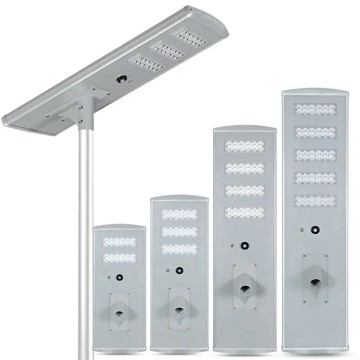
Another major trend is the adoption of solar-hybrid roadway lighting. By pairing dimmable LED fixtures with high-capacity lithium batteries and solar PV panels (such as the ST-S044 All-in-one solar street light), municipalities can achieve off-grid illumination. The dimming program is vital here, as it manages the battery discharge rate throughout the night, ensuring reliable illumination even after consecutive overcast days.
Partner with Changzhou Starslighting for bespoke engineering and manufacturing services.




Our products undergo rigorous testing to meet strict international standards, ensuring global compliance and safety.


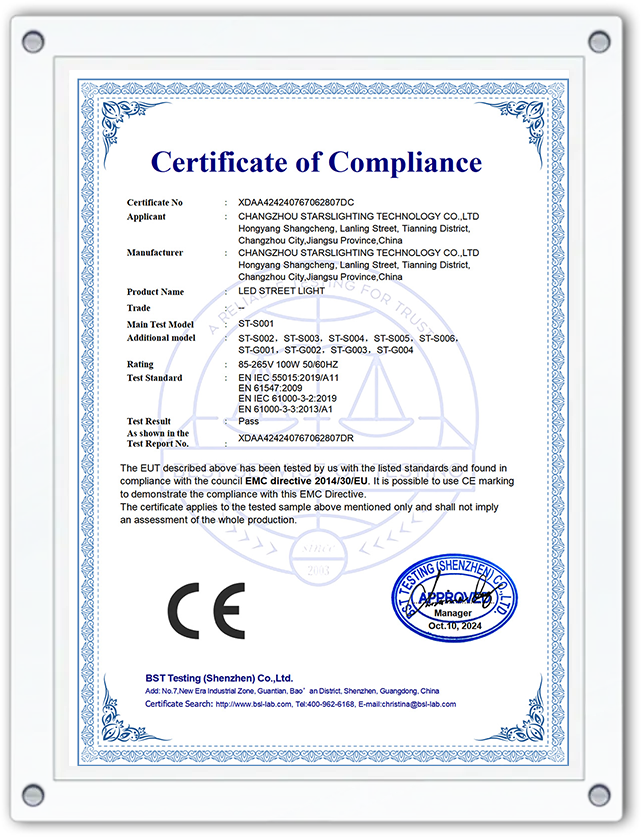
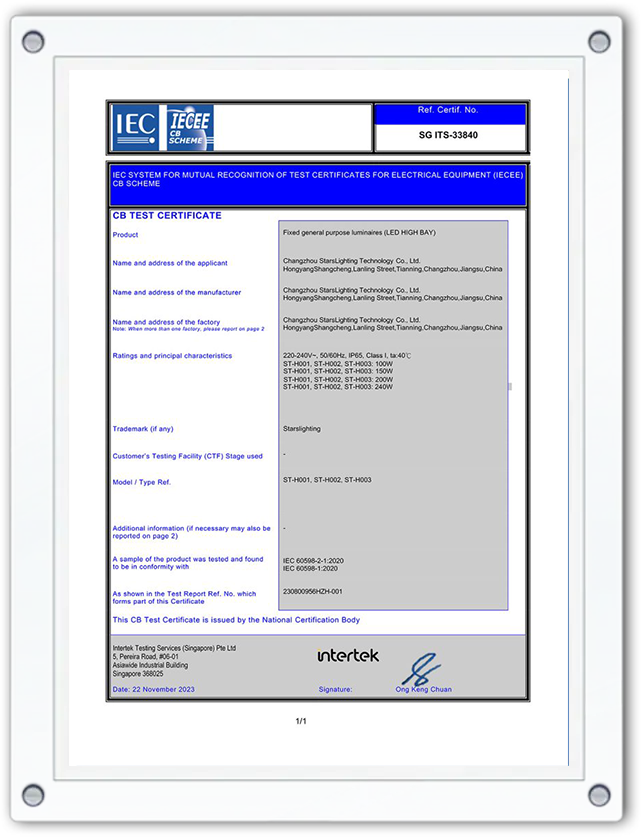

High-performance luminaires designed to meet the demands of highway, industrial, and landscape installations.