
Leave Your Message
Top-tier industrial luminaires and solar street systems custom-tailored to withstand Mexico's intense solar irradiance (GHI), thermal cycles, and coastal humidity.

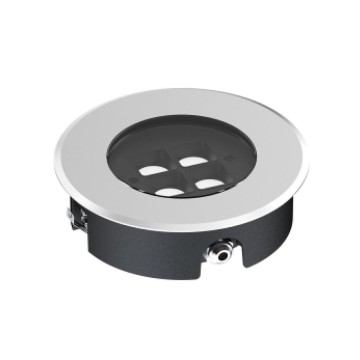
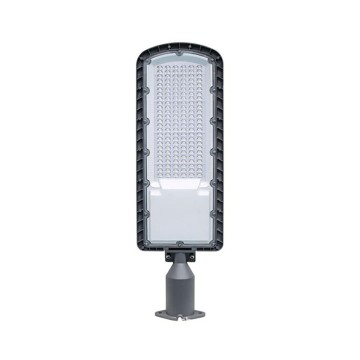

Why Mexico has emerged as Latin America's most dynamic testbed for solar-powered public lighting infrastructure and nearshoring facility modernization.
Mexico sits directly inside the global "Sun Belt" with over 75% of its landmass receiving average solar radiation exceeding 5.0 to 6.8 kWh/m²/day. States like Sonora, Chihuahua, Coahuila, and Durango offer some of the highest photovoltaic conversion yields in the Western Hemisphere, making standalone solar LED streetlights both economically feasible and vastly superior in autonomy compared to grid-tethered alternatives.
The acceleration of foreign direct investment (nearshoring) into northern and central industrial clusters—such as Monterrey (Nuevo León), Saltillo, Querétaro, and Ciudad Juárez—has catalyzed huge demand for private logistics parks, customs checkpoints, and industrial perimeter lighting that can be deployed rapidly without waiting for lengthy CFE (Comisión Federal de Electricidad) grid connection approvals.
Mexico's legislative commitments toward clean energy require municipalities (municipios) and federal agencies to eliminate carbon emissions and drastically lower municipal utility expenditures. Street lighting accounts for up to 30%-40% of an average Mexican municipality's municipal budget; transitioning to autonomous solar LED fixtures removes recurring electricity bills while satisfying federal sustainability benchmarks.
In peripheral regions and southern states like Oaxaca, Chiapas, and Guerrero, traditional electrical distribution infrastructure is either cost-prohibitive to expand or vulnerable to severe weather disruption. Solar-powered LED streetlights provide independent public safety, night illumination for schools and rural roads, and zero cable trenching requirements, effectively preventing copper cable theft.
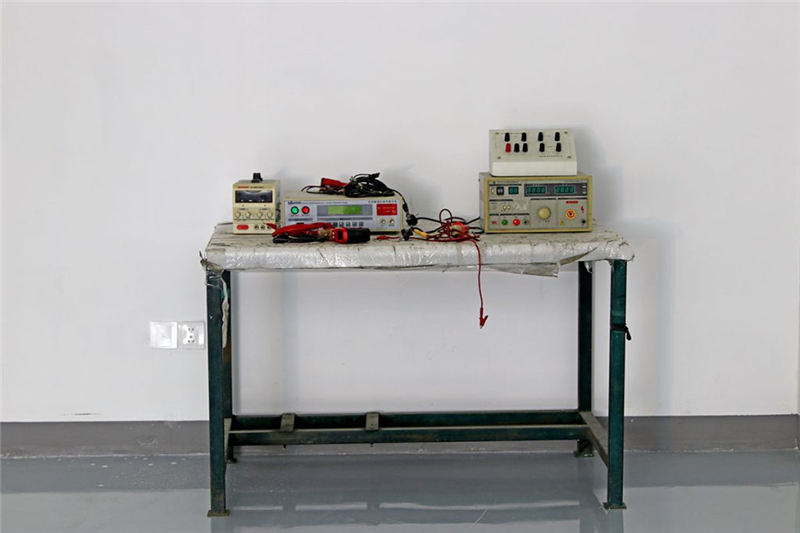
Certified in strict accordance with CE (LVD/EMC), CB, RoHS, and IEC directives. Every batch produced by Starslighting undergoes strict photometric, electrical insulation, and anti-interference testing to streamline importation and technical audit compliance across Mexican states.
Configured with automotive-grade Grade-A Lithium Iron Phosphate (LiFePO4) battery packs boasting 2,500+ deep discharge cycles. Engineered to withstand high ambient Mexican operating temperatures without thermal runway or capacity loss.
Proprietary smart controllers utilize Maximum Power Point Tracking (MPPT) with tracking efficiencies above 99.5%. Dual-mode time-delay and microwave motion sensing conserve power during low-traffic midnight hours, guaranteeing 3 to 5 continuous rainy days of autonomy.
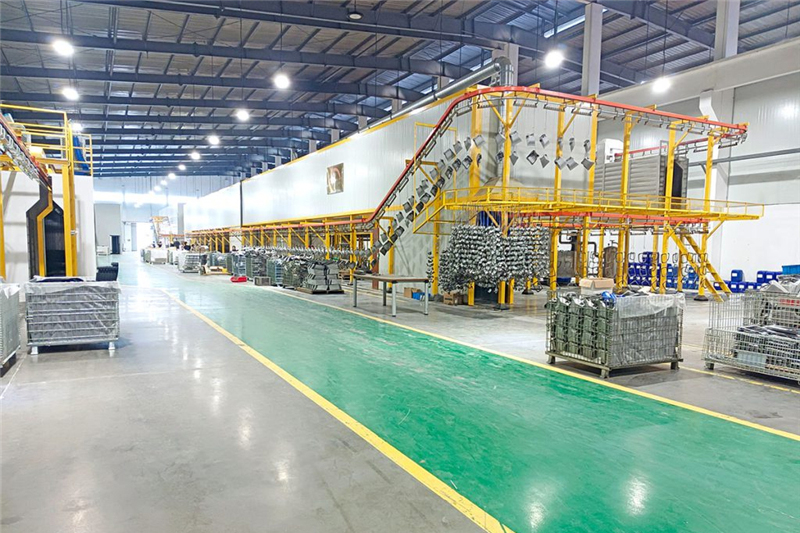
Coastal projects along the Gulf of Mexico (Veracruz) and Pacific Coast (Baja California, Sinaloa, Jalisco) demand robust corrosion prevention. Our die-cast aluminum fixtures utilize electrostatically sprayed fluorocarbon powder coatings resistant to salty sea spray.
Equipped with integrated 10kV / 20kV SPD (Surge Protective Devices) designed to deflect the ferocious lightning strikes and voltage spikes characteristic of Mexico's summer rainy season in the central highlands and tropical southern plains.
We supply Mexican engineering contractors and EPCs with comprehensive IES files and customized DIALux optical calculations to verify lux levels, uniformity ratios, and pole spacings in accordance with NOM-013-ENER-2013 standards.
A technical guide for project contractors, municipal public works secretariats (Obras Públicas), and industrial developers selecting CE-certified solar LED luminaires.
In Mexico, major transport arteries such as the Carretera Federal 57 (connecting Mexico City to the US border at Nuevo Laredo) and toll bypasses (libramientos) traverse rugged deserts and remote mountain passes where expanding high-voltage distribution lines is economically unfeasible. By installing standalone all-in-one or split-type solar LED streetlights on 8m to 12m galvanized steel poles, operators provide immediate visibility at highway interchanges, toll plazas (casetas), weigh stations, and truck parking bays. Fixtures with high-transmittance optical batwing lenses ensure Class M2/M3 highway lighting compliance without blinding long-haul drivers.
Industrial complexes in regions such as Tijuana, Ciudad Juárez, Hermosillo, and the Bajío corridor (Celaya, Silao, San Luis Potosí) demand reliable 24/7 security lighting. Traditional lighting infrastructure often suffers from grid flickers, brownouts, and costly underground cabling. Autonomous solar-powered LED flood and street lights with IP66 ratings offer industrial developers zero monthly electricity overheads, automated dusk-to-dawn operation, and uninterrupted illumination during unexpected grid blackouts, safeguarding perimeter fences, loading docks, and employee parking areas.
Mexico's world-renowned tourism hubs—including Cancún, Riviera Nayarit, Tulum, and Los Cabos—demand lighting that harmonizes with ecological preservation and luxury aesthetics. "Dark Sky" friendly optical cutoffs prevent light pollution from disturbing sea turtle nesting beaches, while high Color Rendering Index (CRI > 80) luminaires and warm CCT options (3000K–4000K) accentuate the architectural charm of colonial "Pueblos Mágicos" such as San Miguel de Allende and Taxco without unsightly overhead wiring.
Civic safety initiatives led by municipal governments throughout the Greater Mexico City Metropolitan Area (Edomex), Puebla, and Guadalajara prioritize reliable public lighting as a proven deterrent against petty crime and vandalism. Modern smart solar street lights integrated with IoT microcontrollers allow remote brightness adjustment, battery status monitoring via 4G/NB-IoT, and zero vulnerability to localized copper conductor theft—a chronic challenge for municipal public works departments across Latin America.
From the tequila-producing agave highlands of Jalisco to high-altitude silver and copper mines in Zacatecas and Sonora, vast production facilities exist off the utility grid. Deploying rugged, vibration-tested solar LED street and flood luminaires ensures continuous nighttime operational productivity, heavy machinery navigation, and asset security with zero ongoing diesel generator fuel costs.
Delivering high-end outdoor optical solutions with world-class production capacity, meticulous engineering, and dependable customer service since 2016.

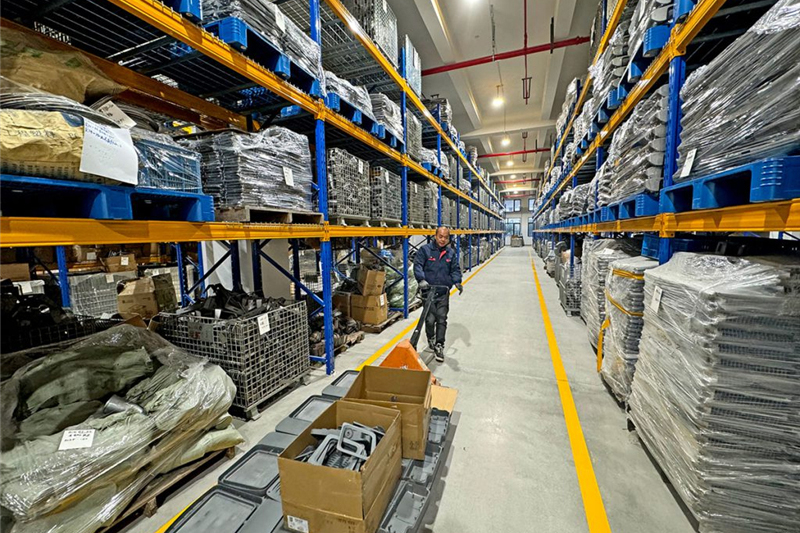
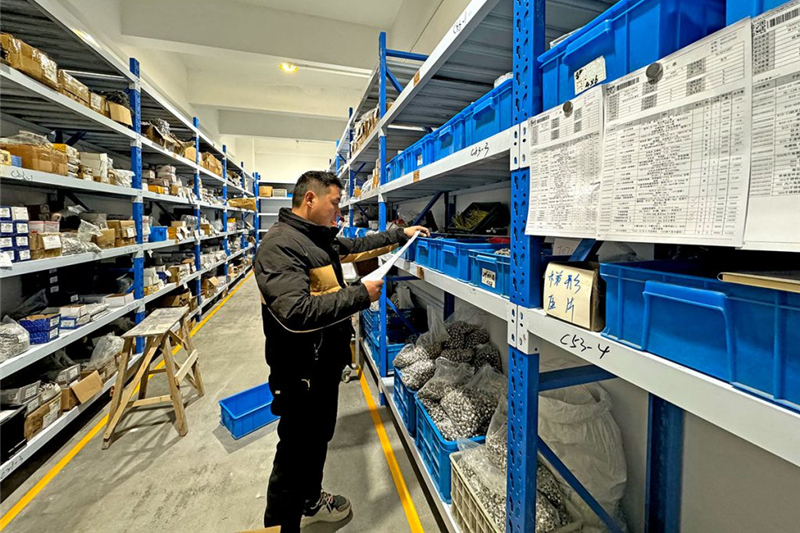
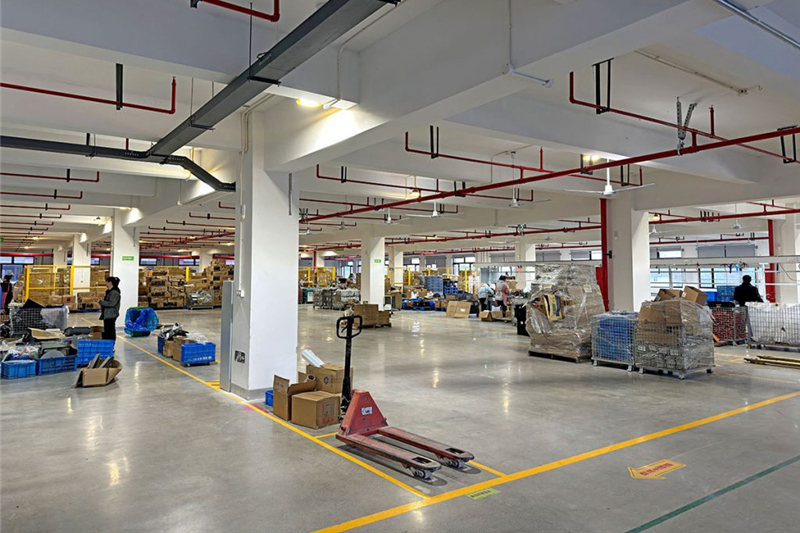
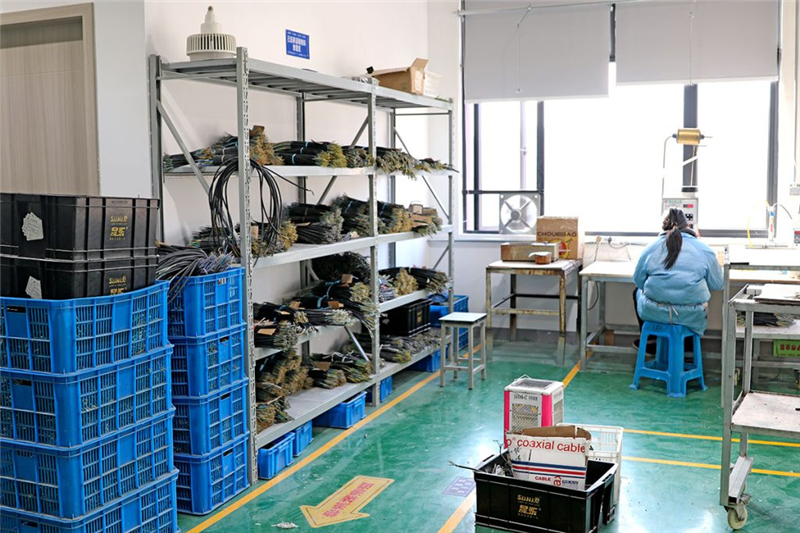
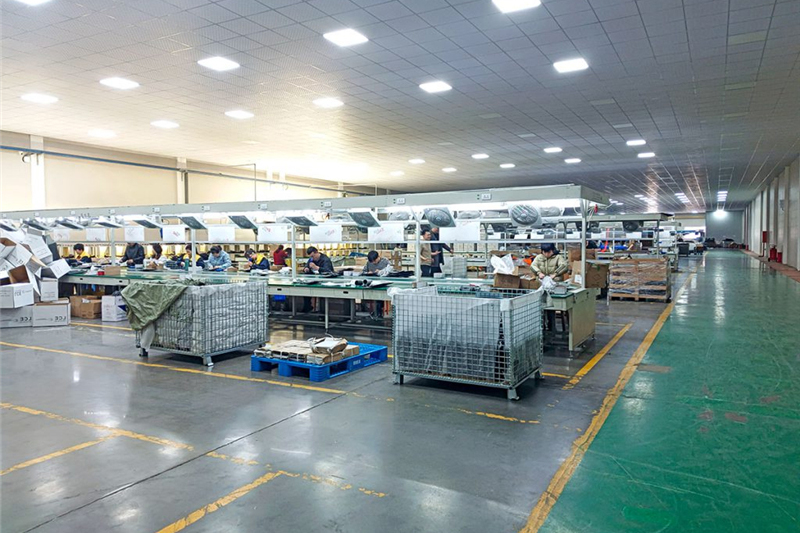
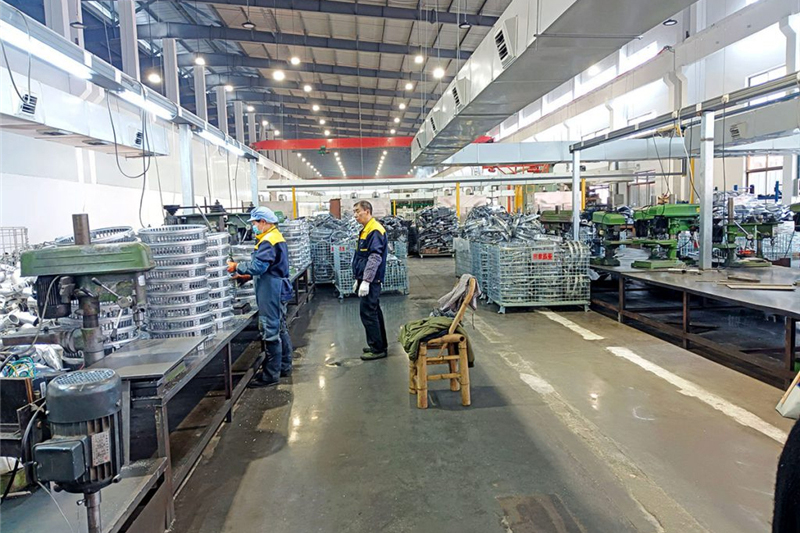
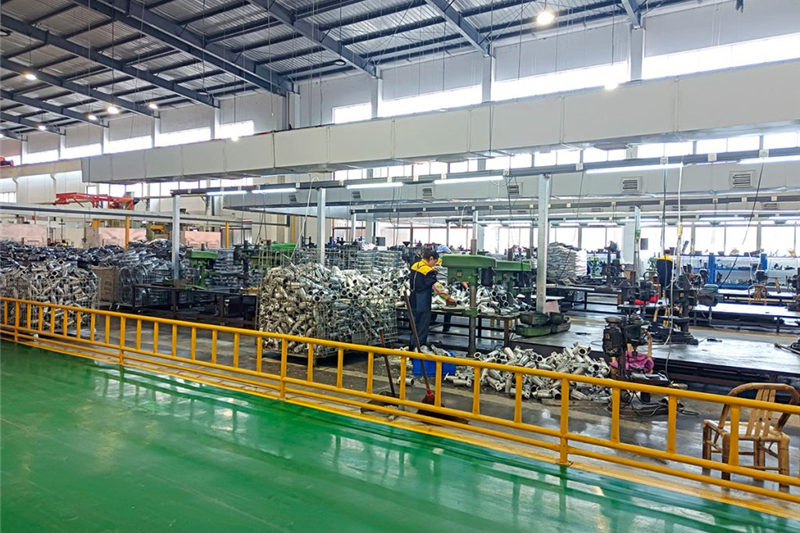
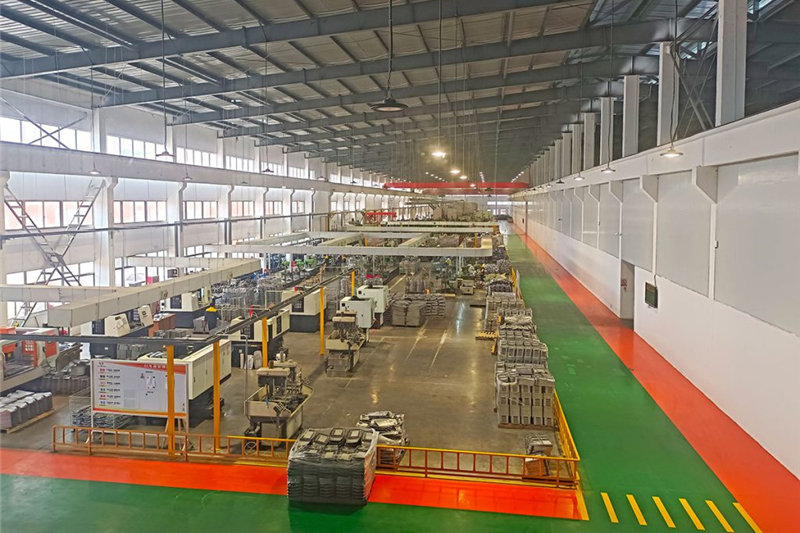
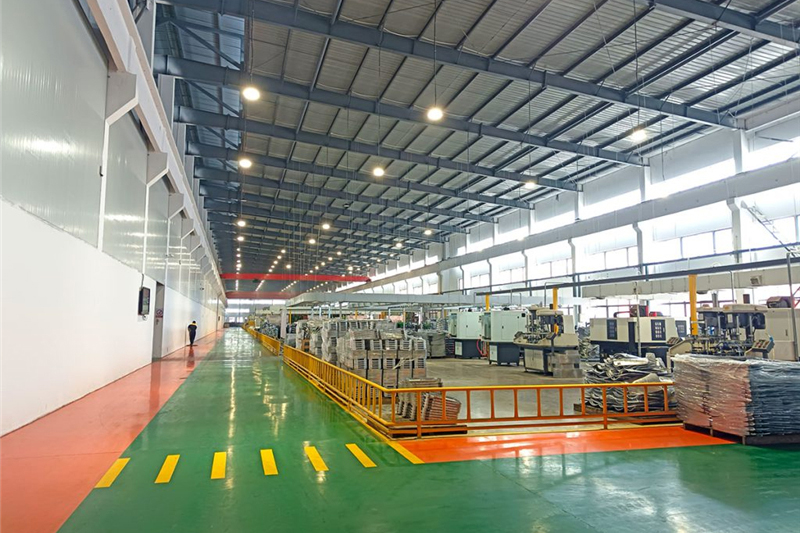
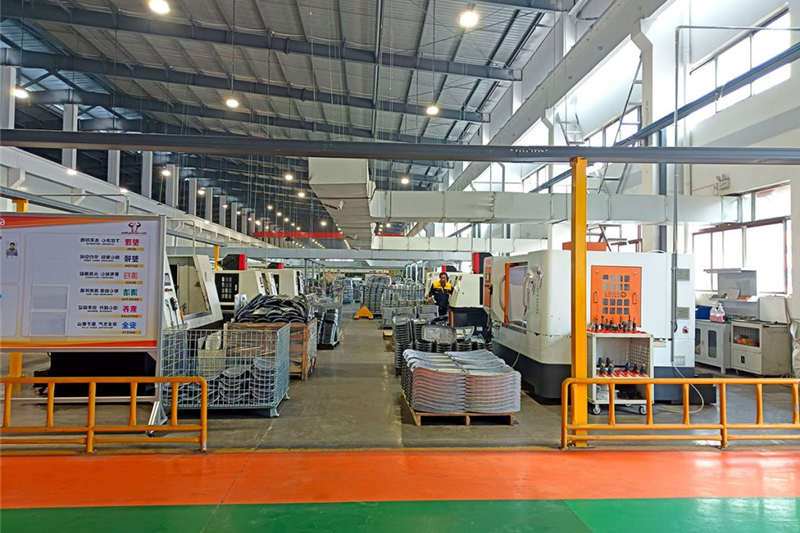
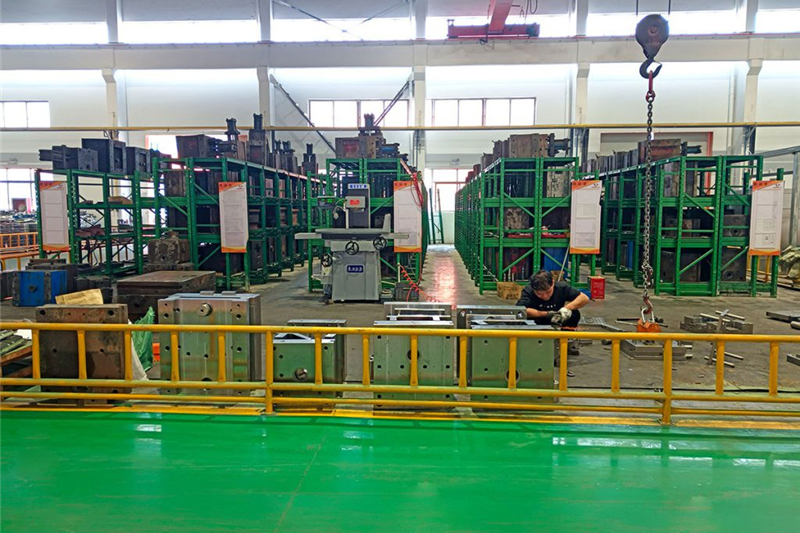
It was established in 2016 and is located in Hengshanqiao Town, Wujin District, Changzhou City, Jiangsu Province. The factory currently has 80 employees, building space about 3,800 square meters, and its annual production capacity is up to 200,000 sets. Starslighting Technology has long been committed to the research and development, production, and sales of high-end LED Street Lights, LED Garden Lights, LED Flood Lights, LED Tunnel Lights, LED High Bay Lights, Solar Lights, LED Smart Lights, etc.
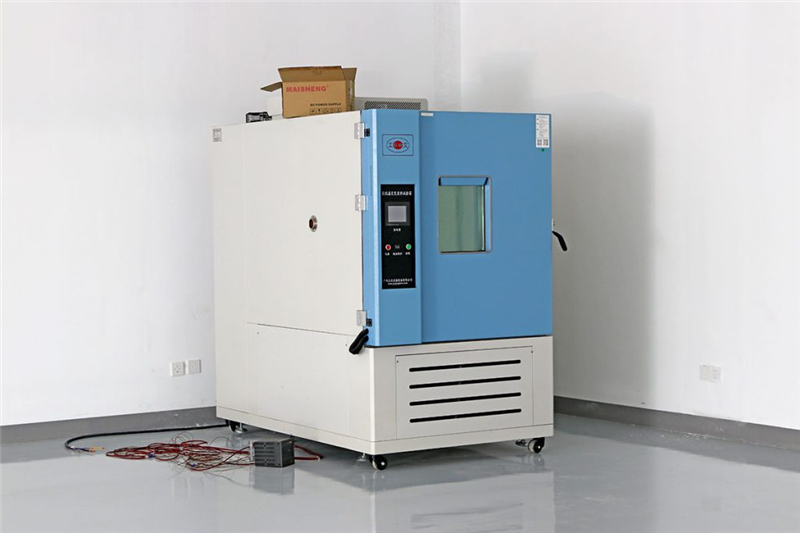
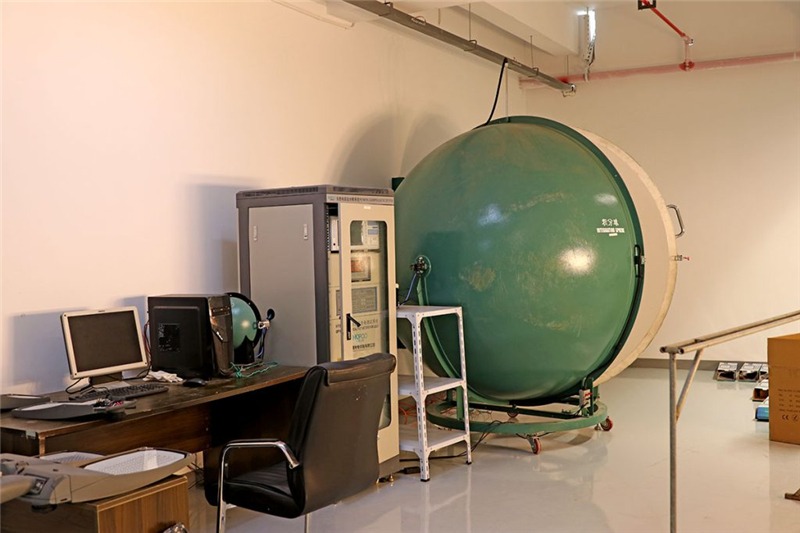
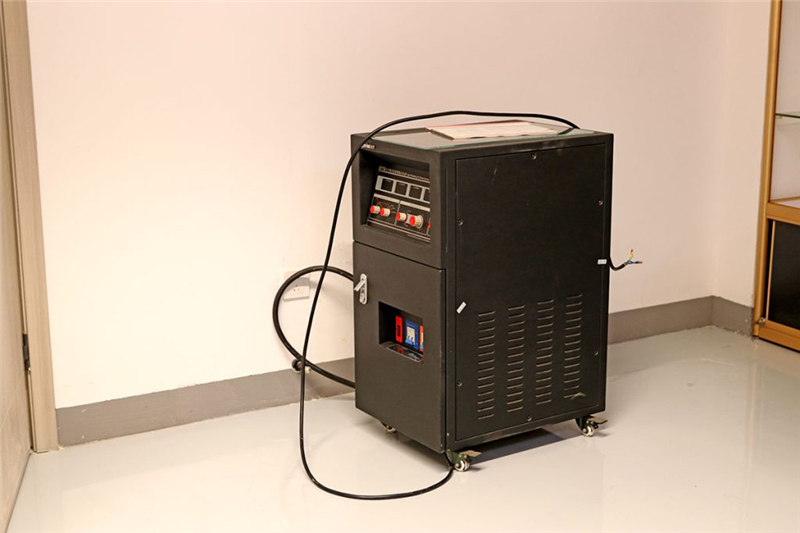
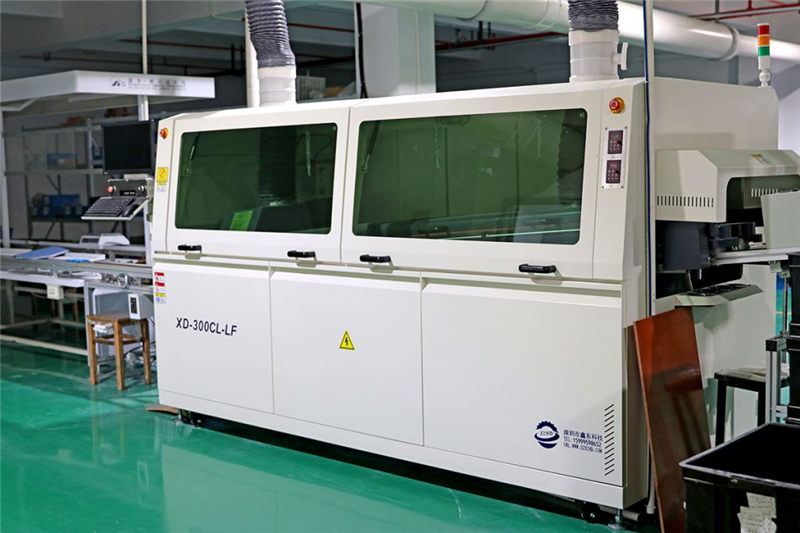
To better serve our partners and expand into international markets—notably Mexico and the Americas—Starslighting Technology has established a dedicated technical team (5+ members) and a specialized after-sales service and quality control team (3+ members). Focused on our core expertise in outdoor lighting products, we are equipped with professional testing and manufacturing facilities, including an integrating sphere, Distribution Photometric Darkroom, impact testing equipment, aging test chambers, SMT pick-and-place machines, and more.
Our products are characterized as safe, reliable, energy-conserving, environmentally protective, and of wide applicability, exported to more than 30 countries and regions including Europe, South America, Southeast Asia, the Middle East, and Africa.
From initial manufacturing roots in 2016 to an international provider of advanced solar and smart urban lighting systems.
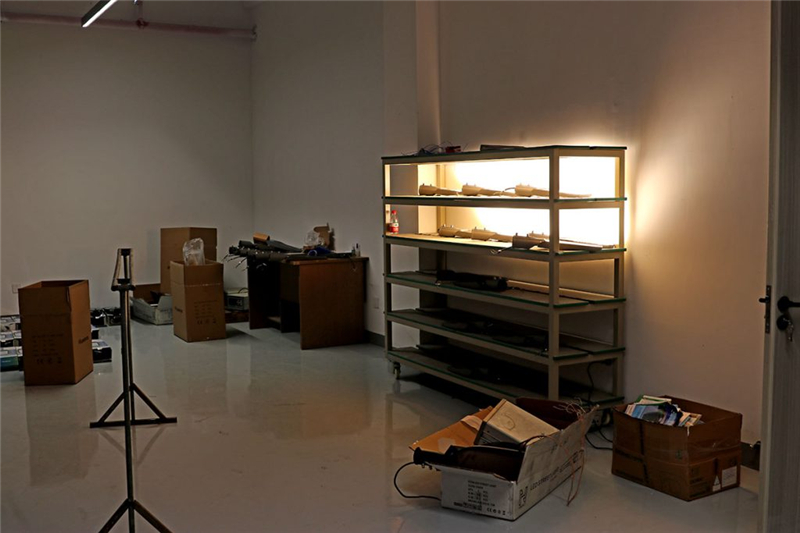
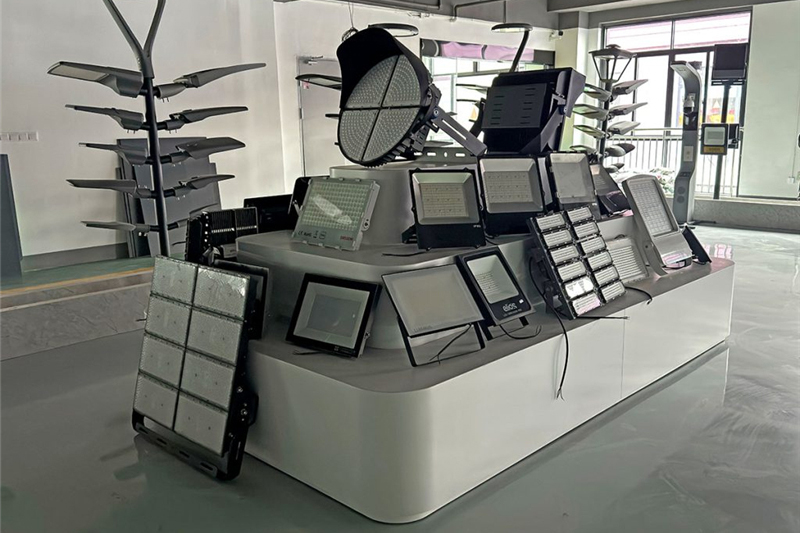
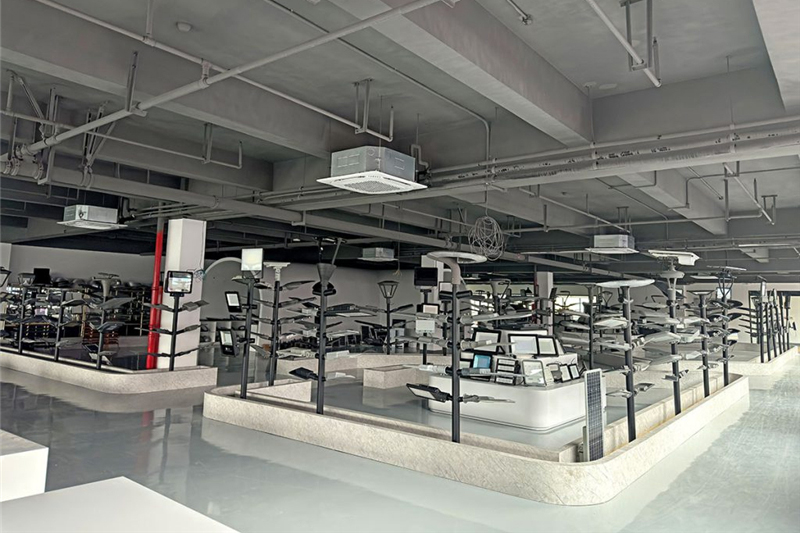
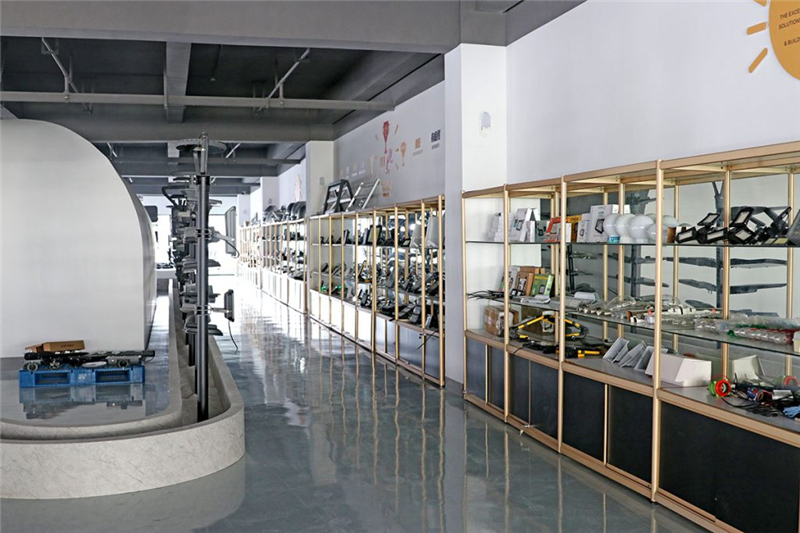
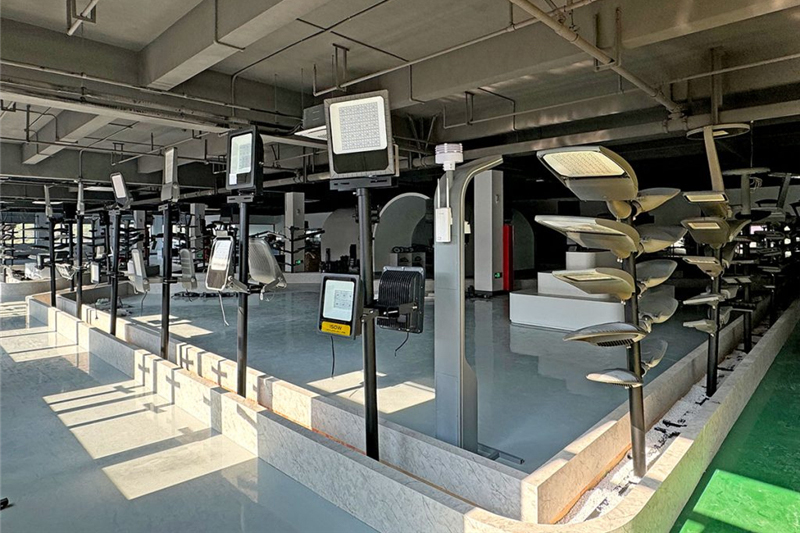
Our 3,800㎡ production base operates integrated SMT lines, automated optical darkrooms, salt-spray chambers, and aging test platforms.
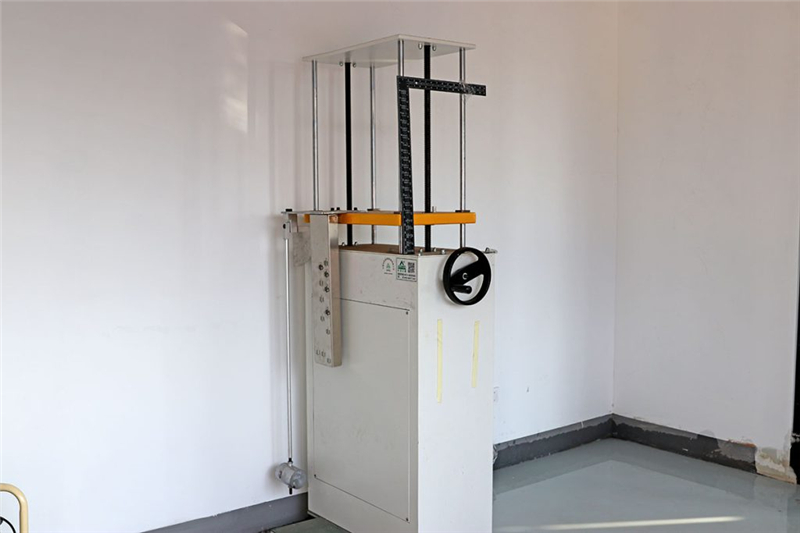
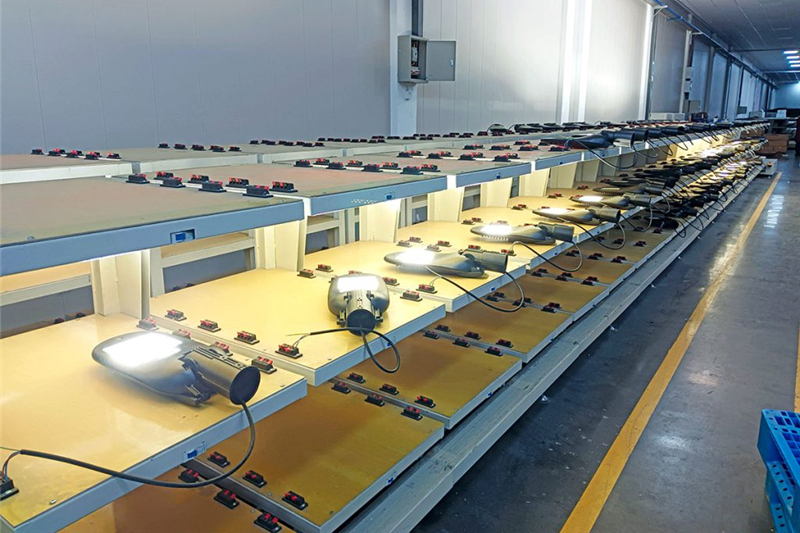
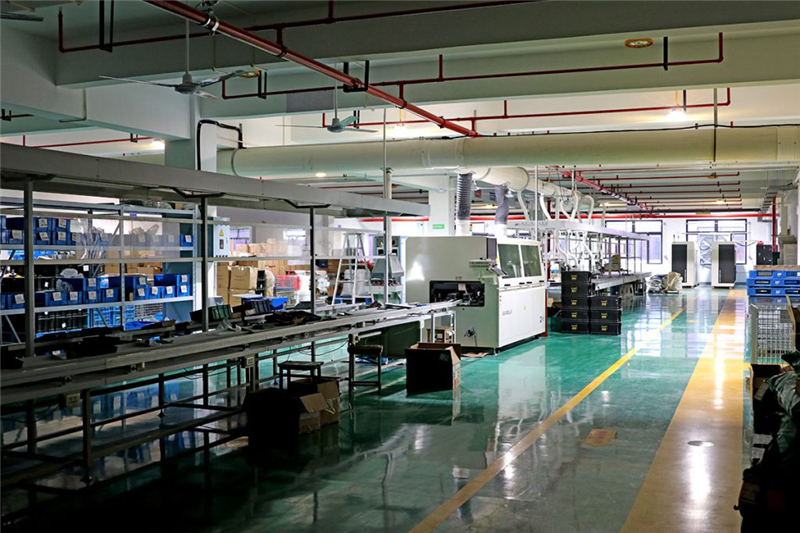
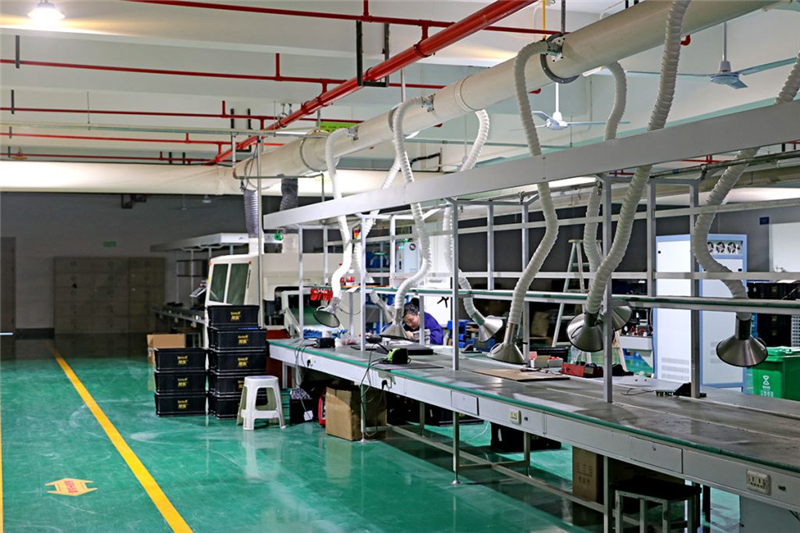
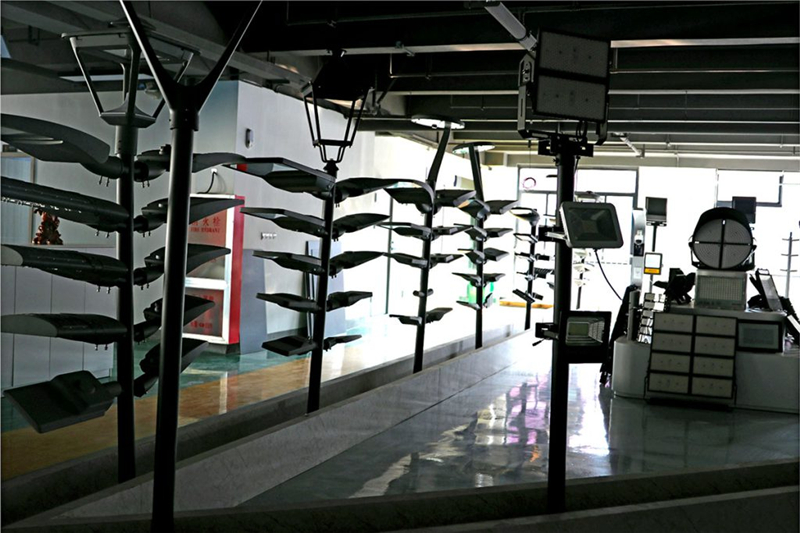
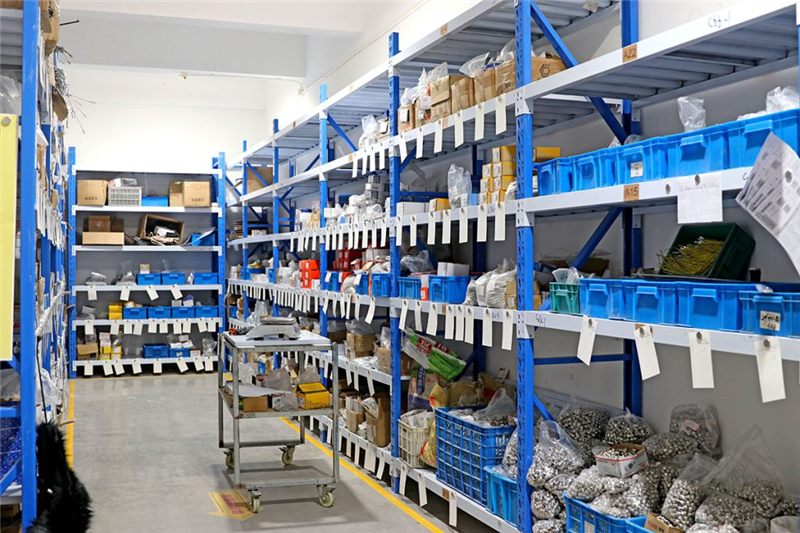
Starslighting has obtained CCC quality management system certification, as well as relevant certificates such as CE, CB, RoHS, ERP, ISO, and environmental management compliance.



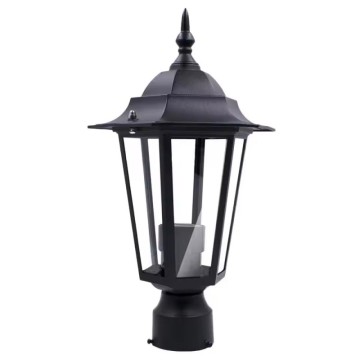
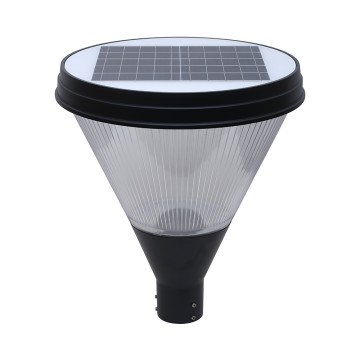
Explore our complete export line of LED flood lights, architectural spots, municipal street lights, and solar post top luminaires engineered for Latin American tenders.
Essential guidance on certifications, customs logistics to Mexican ports, thermal endurance, and project design.
While NOM (Normas Oficiales Mexicanas, such as NOM-031-ENER or NOM-013-ENER) is mandatory for municipal grid fixtures, having accredited CE (LVD/EMC), CB, RoHS, and IEC test reports significantly accelerates certification audits, customs clearance in Manzanillo or Veracruz, and tender verification by state electrical authorities.
Our systems utilize deep-cycle Lithium Iron Phosphate (LiFePO4) chemistry protected by advanced BMS (Battery Management Systems). LiFePO4 operates safely up to 65°C without fire hazard or rapid thermal degradation, unlike standard ternary lithium batteries. Battery enclosures are placed inside thermally ventilated die-cast luminaire compartments.
We provide full container loads (FCL) and consolidated less-than-container shipments (LCL) directly to Mexico's principal container ports: Manzanillo (Pacific) and Veracruz / Altamira (Atlantic). We provide complete export documentation including Commercial Invoices, Packing Lists, Certificates of Origin, and Bill of Lading.
Yes. Our in-house engineering group (5+ senior photometric engineers) provides complete DIALux lighting layouts based on your pole heights, road widths, and required average illuminance (lux) and uniformity targets to ensure your bids win Mexican municipal tenders.