When it comes to outdoor lighting, solar landscape lights have really gained popularity lately. But honestly, fixing them isn’t always a walk in the park. I mean, it can get pretty tricky. According to John Hayes — you know, the guy who’s pretty much an expert on solar energy and even wrote that book 'Solar Solutions for Every Home' — understanding the different parts is crucial if you want to get your solar lights back in shape. His advice really shows just how complicated these little devices can be.
Now, when you're dealing with solar landscape spotlights, it’s easy to overlook the obvious stuff — like dirt or grime building up on the solar panels. Turns out, a quick clean now and then can do wonders for how well they work. Oh, and don’t forget — after a few years, you might need to swap out the batteries. Not all solar lights are made to last forever, unfortunately. The trick is figuring out whether your light’s actually broken or just needs a bit of TLC.
Some folks seem to think these lights will keep shining perfectly without any fuss. Spoiler: that’s not how it works. That misconception can lead to serious frustration. But once you get the hang of how to troubleshoot and fix your solar landscape lights, you’ll keep those garden lights shining bright without breaking a sweat. Honestly, a little routine care can make a huge difference — and let’s be real, who doesn’t want their outdoor space to look cozy and inviting at night?
How to Identify Common Issues in Solar Landscape Lights
Identifying common issues in solar landscape lights is crucial for homeowners. One frequent problem is inadequate charging. Check your solar panel for dirt and debris. Dust can block sunlight, reducing energy absorption. Another issue to look for is a faulty battery. After a year or two, batteries may lose efficiency. If lights flicker or don’t shine bright, it may be time to replace them.
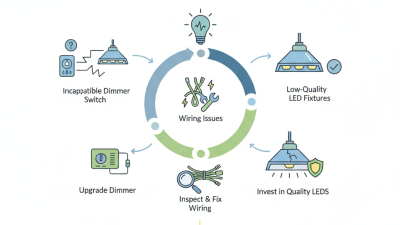
Next, inspect the light bulbs. Over time, they can burn out. If they aren’t lighting up, replacing them with new ones is a straightforward fix. Connections might also be loose or corroded. Examine the wiring and ensure everything is snugly connected. Sometimes, simply tightening connections can restore functionality.
Finally, assess the placement of your solar lights. If they’re in shaded areas, they will underperform. Consider relocating them to spots with ample sunlight. Regular maintenance is key. Periodically check and clean your lights. This ensures longevity and optimal brightness. Addressing these issues can prolong the life of your solar landscape lighting.
Essential Tools for Troubleshooting Solar Landscape Lights
When troubleshooting solar landscape lights, having the right tools is crucial. Essential tools include a multimeter for checking voltage and a screwdriver set for opening the lights. A working flashlight can also help you see inside the fixtures. These tools simplify the process and save time.
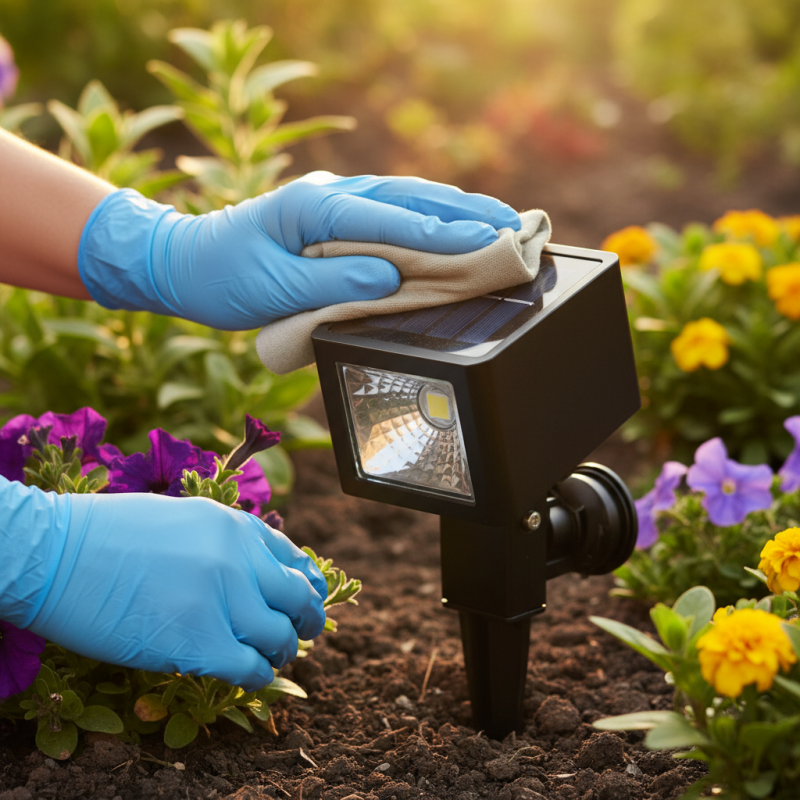
Tips: Regularly clean the solar panels to ensure maximum sunlight absorption. Debris or dirt can diminish battery charging. Use a soft cloth and mild soap to keep them clear. Check the batteries too. Occasionally, they can lose efficiency over time, requiring replacement.
Remember, not all issues are easy to spot. Examine the connections within your Led Landscape Light. Loose wires can interrupt the power flow. Make sure everything is tightly connected. Regular maintenance is key to keeping your lights shining bright. Can a small oversight become a big problem? Absolutely. Always stay attentive to the details.
Top 10 Ways to Fix Solar Landscape Lights Easily
| Method |
Description |
Required Tools |
Estimated Time |
| Clean the Solar Panels |
Remove dirt and debris to improve sunlight absorption. |
Soft cloth, water, mild detergent |
10 minutes |
| Replace Batteries |
Swap out depleted batteries with new, rechargeable ones. |
New batteries, screwdriver |
15 minutes |
| Check Connections |
Ensure all connections are tight and free of corrosion. |
Multimeter |
10 minutes |
| Adjust Position |
Change the angle or location of lights for better sunlight exposure. |
None |
5 minutes |
| Inspect for Damage |
Look for cracks or broken components that need replacing. |
Replacement parts, tools for repair |
20 minutes |
| Reset the System |
Turn off and on to reset the lighting system. |
None |
5 minutes |
| Replace Bulbs |
Replace burnt-out LED or incandescent bulbs. |
New bulbs, gloves |
15 minutes |
| Use Reflective Surfaces |
Position reflective materials to enhance light output. |
Reflective sheets or foil |
20 minutes |
| Schedule Regular Maintenance |
Perform routine checks and cleaning every few months. |
Calendar or reminder |
Ongoing |
| Upgrade to Newer Models |
Consider replacing old lights with newer, more efficient models. |
None, purchase new lights |
30 minutes |
Step-by-Step Guide to Replacing Solar Light Batteries
Replacing the batteries in solar landscape lights can seem daunting, but it's essential for optimal performance. Studies show that 50% of solar landscape lights fail due to battery issues. New batteries can restore brightness and ensure lights operate effectively during low sunlight conditions.
Removing old batteries is usually straightforward. Unscrew the battery compartment and take out the old battery. Note that sizes may vary and double-check the voltage. Selecting a battery that meets specifications is crucial. Lithium-ion batteries are a reliable choice for enhanced performance and longer lifespan. They withstand various conditions better than traditional options.
After inserting the new battery, proper disposal of the old one is important. Reportedly, over 180 million batteries end up in landfills annually, contributing to environmental concerns. Rethinking how we manage these replacements is critical. Regular maintenance and battery checks extend light life. Consider using efficient Led Landscape Lighting for better energy conservation. This can make a significant difference in both your garden's aesthetic and your energy bills.
How to Clean and Maintain Solar Panels for Optimal Performance
Maintaining solar panels is essential for their optimal performance. Regular cleaning can boost energy output significantly. Studies show that clean solar panels can enhance efficiency by up to 30%. Dust, dirt, and debris can accumulate, blocking sunlight. This is especially true for outdoor installations.
To clean solar panels, use a soft cloth or sponge. Avoid abrasive materials that might scratch the surface. A gentle soap solution often works best. Some experts recommend cleaning every 6 months, while others suggest more frequent checks, especially in dust-prone areas.
Additionally, inspecting the panels for damage is crucial. Cracks or disconnections can reduce performance. It’s wise to pay attention to wiring and connectors as well. Neglecting these details might lead to bigger issues down the line. For those who also use Led Spot Light Landscape fixtures, ensure the wiring is intact. Neglect could mean unexpected failures in your outdoor lighting design.
Tips for Repositioning Lights to Enhance Sunlight Exposure
Repositioning solar landscape lights is essential for maximizing sunlight exposure. Statistics show that proper placement can increase energy efficiency by up to 30%. Many homeowners underestimate the impact of location on performance. Finding the right spot may take some trial and error.
When moving your lights, consider areas that receive direct sunlight for at least six hours a day. Clear away any obstructions, such as branches or tall plants. This can drastically enhance the amount of energy your lights can gather. Monitor their performance over time. You might find that certain positions yield better illumination than others.
Tips: Experiment with different heights and angles. This can improve light spread. Seasonal changes can affect sunlight exposure. Reassessing your light positions periodically ensures optimal function. If the lights are dim, take a closer look at their location. Sometimes, a small adjustment makes a big difference. Regular maintenance checks also help; dirt buildup can block sunlight absorption.
Top 10 Ways to Fix Solar Landscape Lights Easily
Understanding the Role of LED Technology in Landscape Lighting
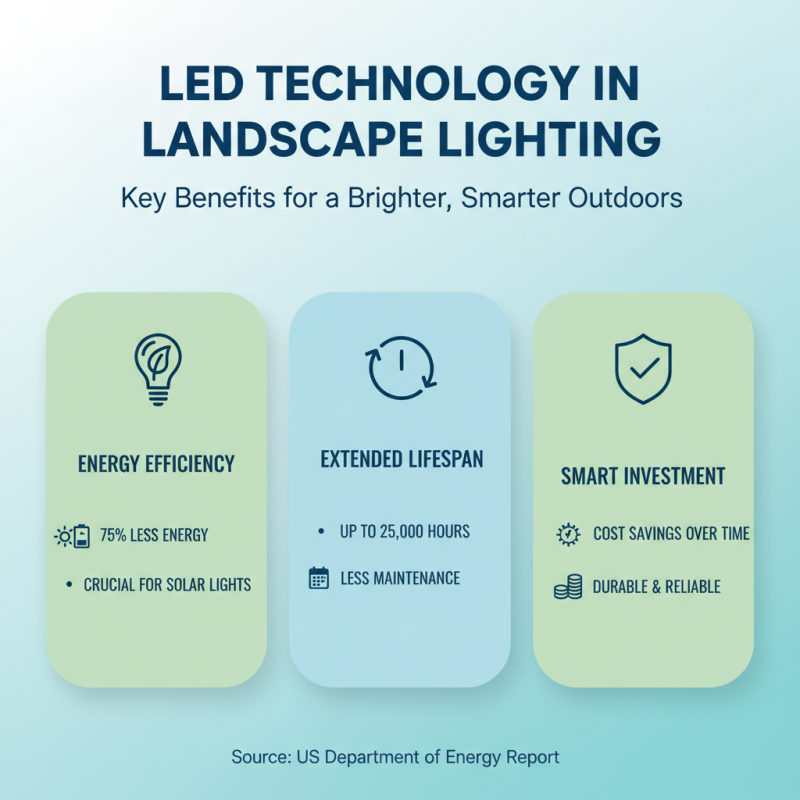
LED technology significantly enhances landscape lighting systems. According to a report by the U.S. Department of Energy, LED lights use 75% less energy than incandescent bulbs. This efficiency is crucial for solar landscape lights, which rely on solar energy. The long lifespan of LEDs—up to 25,000 hours—reduces the need for frequent replacements, addressing common maintenance issues.
Furthermore, LEDs offer better color rendering. This feature allows for more vibrant landscaping designs at night. A study from the Lighting Research Center shows that proper color temperatures can improve the ambiance of outdoor spaces. However, not all solar lights utilize LEDs effectively. It's essential to choose products with quality components. Poor-quality LEDs can dim quickly and lead to unsatisfactory performance.
In practice, homeowners often face issues with light output and solar panel efficiency. Cloudy days can drastically affect performance. Regular cleaning of solar panels is necessary to maintain energy absorption. With a better understanding of LED technology, users can make informed decisions. This helps improve the functionality and aesthetics of their landscape lighting.
When to Seek Professional Help for Solar Light Repairs
Solar landscape lights can brighten up your outdoor space. However, they may encounter issues that require attention. Sometimes, a simple fix is all that’s needed. Check the batteries, connections, or even the positioning of your lights. These tasks might seem easy, but they can be overlooked. If you've tried these steps and the lights still don’t work, it might be time to consider professional help.
Certain problems are best left to experts. If you see physical damage, such as cracked fixtures or exposed wiring, call a professional. They can assess the situation safely. If you lack the tools or experience for repairs, seeking help is wise. Professionals understand the intricacies of
Landscape Architecture Lighting. They can ensure everything functions properly and safely.
It’s important to recognize when DIY fixes fall short. Ignoring signs of serious issues can lead to more extensive damage. Remain aware of your comfort level with repairs. Prioritizing safety and reliability should always be your main concern. While many fixes sound straightforward, sometimes expertise makes all the difference.
Innovative Solar Solutions: Unveiling the ST-S047 Economic Solar LED Street Light Series for Sustainable Urban Development
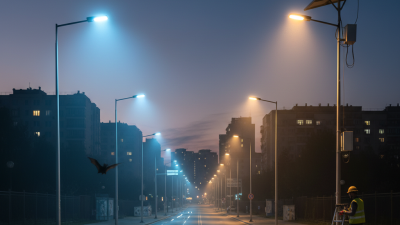
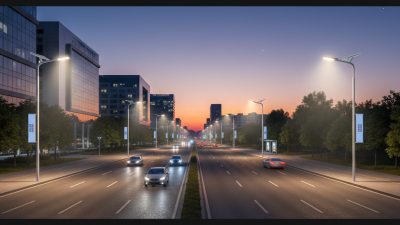
The ST-S047 Economic Solar LED Street Light Series represents a significant advancement in sustainable urban development, offering innovative solar solutions tailored to meet the growing demand for efficient street lighting. These lights feature a robust monocrystalline silicon solar panel with a wattage range of 20W-50W, complementing the powerful LED technology available in options from 100W to 400W. The system is designed to operate autonomously for 25-30 hours, even during challenging weather conditions, ensuring continuous illumination for public spaces.
A standout highlight of the ST-S047 series is its exceptional luminous efficiency, reaching 120-150 lumens per watt, which not only provides bright and effective lighting but also significantly reduces energy consumption. Additionally, the system is equipped with versatile control modes, including timers and motion sensors, allowing for tailored lighting solutions that adapt to various urban environments. With an impressive lifespan of 50,000 hours for the LEDs, these street lights promise reduced maintenance costs and fewer replacements.
Furthermore, built with a durable aluminum body, the lights achieve an IP65 rating, making them resilient against dust and water, ideal for outdoor installations. The ease of installation and the ability to replace spare parts contribute to long-term usage and sustainability. In an industry increasingly focused on innovative and eco-friendly solutions, the ST-S047 series stands out as a practical choice for municipalities aiming to enhance urban infrastructure while promoting environmental responsibility.
FAQS
: Common issues include inadequate charging, faulty batteries, burned-out bulbs, and loose connections.
Inspect the panel for dirt and debris. Clean it to ensure maximum sunlight absorption.
Replace batteries if they lose efficiency after about one or two years of use.
Check if the bulbs are burnt out. Replacing them is usually an easy fix.
Examine the wiring for any looseness or corrosion. Tighten any connections as needed.
Place them in areas with ample sunlight. Avoid shaded spots to improve performance.
Regular maintenance is essential. Check and clean them periodically for optimal brightness.
Yes, small oversights can escalate. Staying attentive to details is crucial for functionality.
A multimeter, screwdriver set, and a flashlight are vital for troubleshooting effectively.
Use a soft cloth and mild soap to clean the panels without causing damage.
Conclusion
In the article "Top 10 Ways to Fix Solar Landscape Lights Easily," readers will find a comprehensive guide on how to fix solar landscape lights effectively. It begins with identifying common issues that can hinder performance, such as insufficient sunlight and battery problems. Essential tools for troubleshooting are discussed, ensuring that users are well equipped to tackle repairs.
Furthermore, the article provides a step-by-step guide to replacing solar light batteries and offers tips on cleaning and maintaining solar panels for optimal performance. Suggestions for repositioning lights to enhance sunlight exposure are also included, along with an explanation of the role of LED technology in landscape lighting. Finally, it addresses when to seek professional help, rounding out a well-structured approach to understanding how to fix solar landscape lights efficiently.