Honestly, testing LED floodlights properly is super important if you want to make sure they’re safe and actually work well. So, figuring out how to test different models—like those wall-mounted LED floodlights from BrightBeam Technologies—can be a bit of a challenge, but it’s definitely worth it. It’s not just about passing some certification; it’s about making sure the product actually meets what customers are expecting.
Getting a good handle on what CE certification involves is pretty key here. Every step of the testing process can give you useful insights. For example, putting a wall mount LED floodlight through extreme weather conditions to see how it holds up—that’s really crucial. Manufacturers need to check how things like temperature swings affect performance. And honestly, every little detail counts. A small oversight could cause big problems once the product’s out in the wild.
Consumers are all about reliability these days. So, testing should cover stuff like energy efficiency, brightness, and how long the lights last. Working with seasoned testers can really take a product’s reputation up a notch. In such a competitive market, paying attention to these details can make all the difference. Sadly, a lot of manufacturers overlook the importance of real-world testing scenarios, and that can hurt their reputation big time.
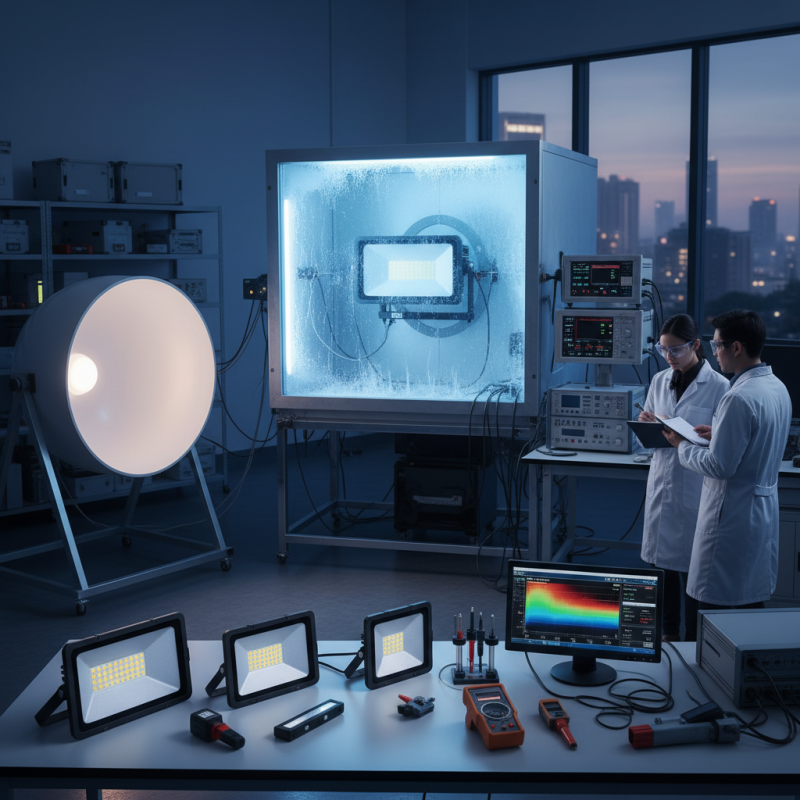
CE certification is a crucial requirement for LED flood lights sold in the European market. This certification confirms compliance with safety and environmental standards. Understanding these requirements is essential for manufacturers and importers. The CE mark indicates that the LED flood lights meet the necessary regulations, providing assurance to consumers.
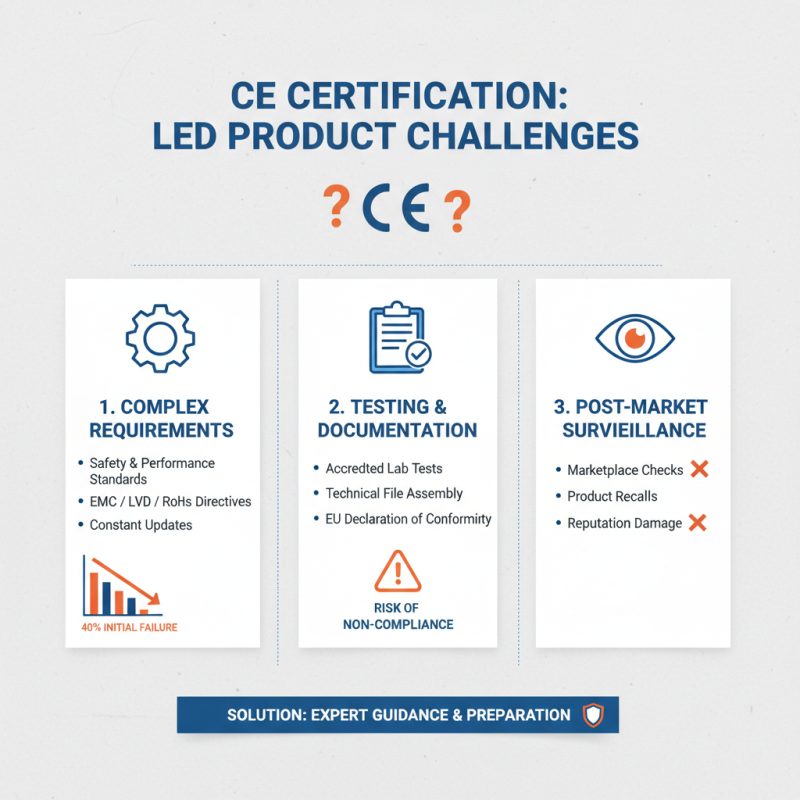
Testing Led Flood Street Lights involves several key steps. First, manufacturers must assess electromagnetic compatibility (EMC) and safety through designated procedures. This can be a complex process requiring expertise. Compliance with the Low Voltage Directive (LVD) and the RoHS directive is necessary too. Some manufacturers may struggle with interpreting these directives properly. Effective documentation and testing are vital to avoid pitfalls.
It's important to conduct a risk assessment. This helps identify potential issues early in the design stage. Regular audits of the testing process can also ensure ongoing compliance. Many manufacturers overlook the importance of updates in regulations, which can lead to non-compliance. Thus, staying informed and adaptable is as important as the initial testing.
When designing LED flood lights, understanding compliance is key. Various components contribute to a successful design, ensuring safety and functionality. Key aspects include the quality of materials, thermal management, and optical design. Each of these components plays a critical role in overall performance.
Choosing the right materials can significantly affect durability. High-quality components reduce failure rates and enhance lifespan. Pay attention to thermal management; ineffective heat dissipation can lead to rapid degradation. Use heat sinks and thermal interface materials wisely. They are essential for longevity and safety.
Additionally, consider optical design carefully. The efficiency of LED light distribution impacts usability. Aim for a balanced approach; too much focus on one area can lead to performance issues. Testing for compliance should be thorough. Validate all designs before mass production to avoid costly mistakes. Remember, even minor flaws can compromise overall quality.
Testing LED flood lights for CE certification involves specific methods ensuring product safety and reliability. Essential tests include electrical safety, electromagnetic compatibility (EMC), and photometric performance evaluations. Each test aims to meet strict European standards. Compliance with these standards safeguards users and enhances product credibility.
Electrical safety testing verifies insulation resistance and leakage current levels. These factors prevent electric shock risks. Electromagnetic compatibility testing assesses potential interference with other electronic devices. This step is crucial for maintaining operational integrity.
Photometric performance evaluations examine factors like luminous efficacy and color temperature. Accurate measurements help ensure the product meets consumer expectations. Implementing these tests requires detailed understanding and technical expertise. While manufacturers may face challenges in achieving compliance, thorough testing is key. Continuous reflection on testing protocols can foster improvements in both safety and performance.
Selecting the right ODM partner for CE certified LED flood lights is crucial. You want a supplier with a strong understanding of European safety regulations. This knowledge ensures your products meet all necessary standards. Their experience in the industry can save you time and minimize risk.
Look for transparency in communication. An effective partner should provide clear documentation and updates on the testing process. Ask how many products they have successfully certified. This will give you confidence in their capabilities.
It’s also important to consider their quality control processes. Do they have a dedicated team for testing and compliance? A reliable ODM should conduct regular quality checks. Reflection on past projects can reveal patterns in their performance. Trustworthy partnerships often help in navigating unexpected challenges.
| Tip No. | Testing Criteria | Importance Level | Recommended Tests | Additional Notes |
|---|---|---|---|---|
| 1 | Electrical Safety | High | Insulation Resistance, Dielectric Strength | Essential for compliance with EU safety standards |
| 2 | Photometric Testing | High | Lumen Output, Beam Angle | Determines light efficiency and coverage |
| 3 | Thermal Testing | Medium | Temperature Rise Testing | Ensures LED lifespan and performance |
| 4 | EMC Testing | High | Conducted Emissions, Immunity Tests | Prevents interference with other devices |
| 5 | Ingress Protection | Medium | IP Rating Test | Evaluates environmental durability |
| 6 | Vibration Testing | Low | Mechanical Shock, Vibration Test | For evaluating transport and installation impacts |
| 7 | Color Rendering | Medium | CRI Test | Important for applications requiring color accuracy |
| 8 | Longevity Testing | High | Lifespan Prediction Tests | Ensures long-term operation without failures |
| 9 | Compliance Documentation | High | Test Reports, Certification Information | Required for CE certification process |
| 10 | Environmental Testing | Medium | Thermal Cycling, Humidity Tests | Ensures product reliability in varying conditions |
Documenting compliance for CE testing is crucial. It helps to ensure products like the 150 Watt Led Flood Light meet safety and performance standards. Start with maintaining test results. Ensure that each test conducted is documented correctly. This creates a solid foundation for compliance. Test reports should be clear and detailed, indicating the methods used and results achieved.
Next, create a comprehensive technical file. This file must include design documents, risk assessments, and user manuals. These records showcase the product’s safety features. Include all correspondence with testing bodies. It’s essential to keep track of modifications to the design. Keep notes on changes or issues during testing too. This can help identify patterns for improvement.
Lastly, ensure that all of this information is easily accessible. A well-organized documentation system reflects professionalism. It also aids in quick reference for audits. Reflect on your current processes. Are they efficient? Regular updates to records can prevent potential compliance failures. Maintaining accurate and complete documentation for the 150 Watt LED Flood Light is vital for market success. It requires diligence but pays off in reliability.
CE certification is essential for LED products entering the European market. However, many manufacturers face challenges during this process. One major hurdle is understanding the extensive requirements for safety and performance. For instance, a study by the European Union revealed that nearly 40% of LED products failed initial compliance tests. This highlights the need for careful preparation.
Testing for Solar Led Flood Light involves strict protocols, which can be overwhelming. Issues often arise related to electromagnetic compatibility (EMC) and photobiological safety. A report from the International Electrotechnical Commission showed that improper testing procedures account for up to 20% of the failure rates. Manufacturers must pay close attention to each testing phase to avoid costly delays and additional trials.
Documentation is another critical aspect. Many companies overlook the importance of maintaining thorough records of compliance testing. The lack of organized data can lead to significant issues during audits. Engaging with a knowledgeable testing partner can streamline the process, reducing misunderstandings. Moreover, continuous training for staff on CE standards is vital. Without it, companies risk falling short of compliance, affecting their market credibility.
In recent years, the demand for LED technology has surged globally. CE certification plays a vital role in ensuring safety and performance standards for products like Led Flood Light Bulbs. According to a report from MarketsandMarkets, the global LED lighting market is projected to reach $105.2 billion by 2025. This rapid growth emphasizes the need for robust testing protocols to meet compliance requirements.
Emerging trends indicate a shift towards stricter safety standards in the CE certification process. The European Union's Eco-Design Directive is pushing manufacturers to prioritize energy efficiency and sustainability. Data from the International Energy Agency show that LED products can reduce energy consumption by up to 80% compared to traditional lighting. Nonetheless, the path to compliance often reveals challenges. Many manufacturers struggle with documentation and procedure adherence, leading to potential setbacks in market entry.
Advanced testing methods and clear regulations are crucial. As technology evolves, staying informed of these changes becomes essential. The complexity of integrating new safety standards can overwhelm some manufacturers, urging them to reconsider their approaches. Adapting to future trends in CE certification will not only enhance product safety but also ensure continued competitiveness in the LED flood light bulbs market.
: CE certification ensures safety and performance for LED products in the European market. It's essential for compliance.
Common challenges include understanding requirements and complying with safety and performance standards. Preparation is crucial.
Nearly 40% of LED products fail initial compliance tests. This highlights the need for careful preparation and understanding.
Thorough documentation is necessary for compliance testing. Disorganized data can create significant issues during audits.
Manufacturers must pay close attention during testing phases. Overlooking protocols can lead to costly delays in approval.
Ongoing training helps staff stay updated on compliance. Without it, companies risk market credibility and legal issues.
Stricter safety standards and a focus on energy efficiency are emerging trends. The Eco-Design Directive promotes sustainability.
Yes, many manufacturers find adapting to new standards overwhelming. This can affect their market entry and competitiveness.
The global LED lighting market is projected to reach $105.2 billion by 2025. This emphasizes the need for robust compliance.
Manufacturers should focus on advanced testing methods and clear regulations. Staying informed is vital for continued success.
The article "China Top 10 CE Certification ODM Tips for Testing LED Flood Lights" provides a comprehensive guide for manufacturers navigating CE certification requirements for LED flood lights. It begins with an overview of the essential compliance standards and the key components of LED flood light design necessary for certification. Further, it outlines essential testing methods needed to validate LED products against CE requirements, ensuring safety and reliability.
Another critical aspect discussed is the selection of the right Original Design Manufacturer (ODM) partner who understands the certification process. Documenting compliance through necessary files and records is highlighted as a vital step in the testing phase. The article also addresses common challenges faced during the CE certification process and offers solutions to overcome these hurdles. Finally, it explores future trends in CE certification, emphasizing the importance of staying updated on safety standards in LED technology, providing valuable insights on how to test LED flood light products effectively.