You know, the demand for LED street lights has really taken off worldwide lately, showing just how much we're leaning towards more sustainable lighting solutions. I came across a report from Grand View Research that predicts the global market for these lights will hit around $20.3 billion by 2025. That’s mainly thanks to their energy efficiency and how long they last. In China, a bunch of OEM manufacturers are really stepping up — making high-quality LED street lights that meet international standards and set the bar high.
Some of the top factories are showing some pretty cool tech, too. For example, Company A has come up with smart lighting systems that can adjust their brightness depending on how many people are around. And Company B is doing great by integrating solar energy into their designs, making them even more eco-friendly. Of course, it’s not all smooth sailing—there are still challenges like keeping quality in check and staying innovative to stand out in such a crowded market.
Knowing who these key players are is super helpful for anyone looking to make informed decisions. Partnering wisely in LED street light manufacturing doesn’t just upgrade city infrastructure — it also helps save energy in the long run. As more cities look to future-proof their lighting systems, being aware of these major companies is more important than ever.
Overview of the LED Street Light Industry in China
The LED street light industry in China has experienced rapid growth. This growth is driven by increasing urbanization and the need for energy-efficient solutions. Many local manufacturers have emerged, showcasing innovative designs. Their products often prioritize sustainability while meeting the demands of modern infrastructure.
Chinese factories focus on advanced technology and production efficiency. Many have adopted automated processes to enhance output. However, quality control remains a challenge for some. Ensuring uniform performance and durability can be inconsistent across different manufacturers. Additionally, the regulatory environment is evolving, which impacts production standards.
LED street lights offer significant benefits, including reduced energy consumption. This aspect is appealing for city planners looking to cut costs. However, the industry still faces hurdles. Competition leads to price wars, sometimes compromising quality. Sustainable practices are also not uniformly adopted, raising concerns about environmental impacts. Manufacturers must continuously seek improvements in technology and practices.
Criteria for Selecting Top OEM Factories
When selecting top OEM LED street light factories in China, various criteria come into play. Experience is crucial. Factories with years of operation often have a better grasp of the market's dynamics and manufacturing processes. Check their production capacity. Can they handle bulk orders efficiently? A factory that meets demand consistently shows reliability.
Quality control stands out in the process. Inspect their certifications and quality assurance systems. Are they adhering to international standards? This not only ensures product longevity but also helps in reducing future costs. Look for transparency in pricing and communication. Good factories provide clear information about their products and services. They are also responsive to inquiries, which reflects their professionalism.
It's also wise to consider innovation. Factories that invest in research and development often produce advanced products. However, sometimes they might focus too much on new tech rather than quality. Balancing innovation with quality is essential. Lastly, don't overlook customer feedback. Genuine reviews can offer insights into the factory's reliability and product performance. Evaluating these aspects will help identify the best OEM partners.
List of Leading Chinese OEM LED Street Light Manufacturers
When exploring the landscape of LED street light manufacturing in China, it's crucial to identify leading OEM factories. These manufacturers have set benchmarks for quality and efficiency. Industry reports suggest that the global LED street lighting market is poised for substantial growth, with a projected CAGR of over 20% through 2027. This growth is driven by increasing urbanization and a shift toward sustainable energy solutions.
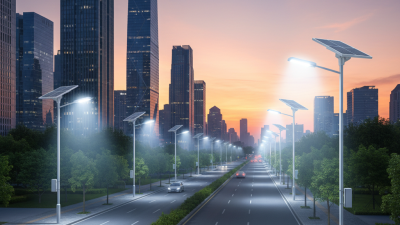
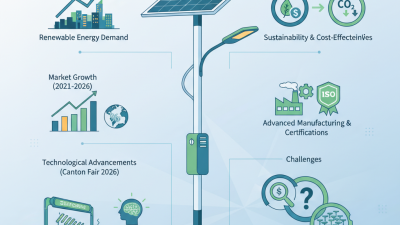
One notable trend is the rise of solar options, including the Led Light Solar Street Light. These incorporate solar panels and energy-efficient LEDs, providing sustainable illumination. As cities strive for reduced carbon footprints, the demand for solar street lights is likely to escalate. Insights indicate that many factories are innovating to improve energy conversion rates and longevity of these systems, but challenges remain in efficiency and pricing.
Investing in the right OEM partner requires diligence. Research thoroughly. Check their factories and production processes. Ensure they have certifications to back their claims. Networking within industry circles can provide valuable insights. Keep an eye on emerging technologies as well. The LED street lighting industry is rapidly evolving, and staying updated will give you a competitive edge.
Innovative Technologies Used by Top LED Street Light Factories
The landscape of street lighting is evolving rapidly. Innovative technologies are pivotal in enhancing the effectiveness of Street Light Led Light. Many factories focus on smart controls. They incorporate sensors that adjust brightness based on traffic patterns. This not only saves energy but also extends the lifespan of the lights.
Another trend involves the integration of solar power. Factories are developing LED lights that harness solar energy during the day. This off-grid solution is particularly beneficial in remote areas. These advancements also raise questions about sustainability. Can solar-powered street lights maintain efficiency in low-light conditions? Factories are testing various battery technologies to overcome this challenge.
Additionally, some manufacturers are exploring adaptive lighting solutions. This technology uses real-time data to modify lighting intensity. Such systems can respond to weather conditions or public events. However, the complexity of these systems can lead to integration issues. Continued development is needed to ensure reliability in diverse environments.
Quality Control Standards in Chinese LED Street Light Production
In recent years, China's LED street light production has grown remarkably. However, quality control standards often face scrutiny. A report from the China Chamber of Commerce highlights that 30% of manufacturers do not meet basic safety requirements. This raises concerns about product consistency and reliability in the market.
Quality control in LED street light manufacturing involves several critical aspects. Factories must adhere to national standards like GB/T 24824-2009. Testing for luminous efficacy and thermal management is vital. Data indicates that LED street lights with effective thermal management have a lifespan of over 50,000 hours. Yet, not all manufacturers prioritize these tests, leading to issues like reduced brightness and shorter operational lifespans.
Additionally, many factories lack systematic inspections throughout the production process. A staggering 25% of returned products stem from manufacturing defects. This points to a need for improved training in quality assurance practices and better equipment. Ensuring high standards remains a challenge, as stakeholder investment in quality varies widely across different factories. Ultimately, strengthening these protocols is essential in raising the overall quality of LED street lighting.
Market Trends Affecting the OEM LED Street Light Sector
The OEM LED street light sector is undergoing significant transformation. Major trends include rising energy efficiency standards. Many governments are pushing for sustainable solutions. This drives demand for innovative technologies in Led Light Street Light manufacturing.
Cost is another critical factor. Manufacturers face pressure to reduce prices while maintaining quality. Many OEMs are exploring advanced materials to balance costs and efficiency. However, some struggle to meet these demands. Smaller factories may lack the resources for research and development. This creates potential gaps in quality control.
Moreover, environmental regulations are tightening. Factories must adopt eco-friendly practices. This includes using recyclable materials and minimizing waste. Compliance can be challenging, but it offers a chance to stand out. Those adapting swiftly may capture a larger market share. However, the pressure to innovate continuously can lead to oversights. This often requires greater reflection on operational methods. As the market evolves, OEMs must adapt or risk falling behind in the competitive landscape of LED light street light production.
Top 10 China OEM LED Street Light Factories - Market Trends
This chart represents the production output of LED street lights by various OEM manufacturers in China, highlighting the trends over the past three years.
Impact of Government Policies on LED Street Light Manufacturing in China
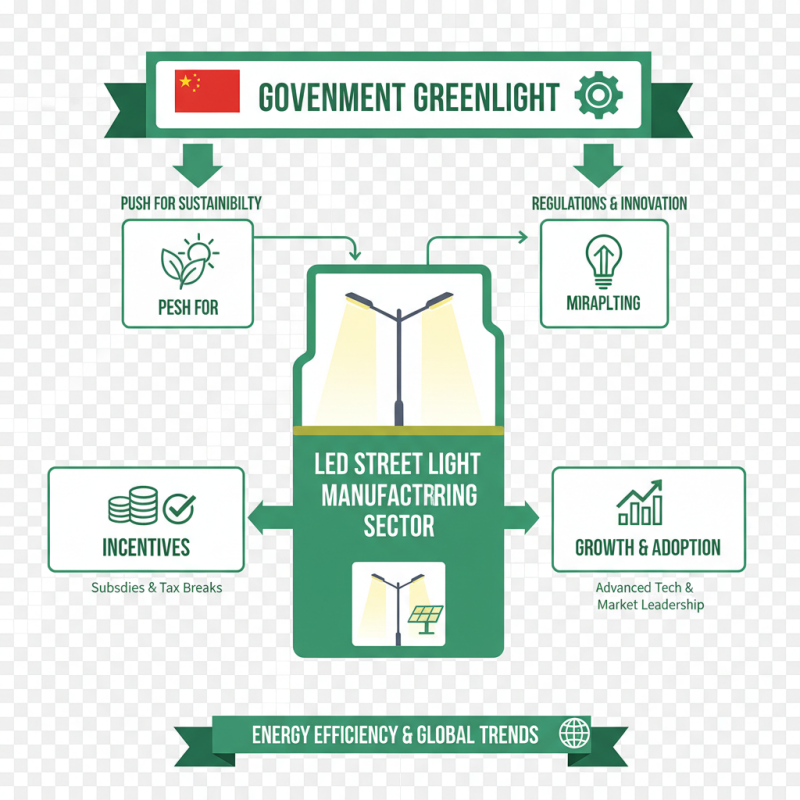
Government policies in China significantly shape the LED street light manufacturing sector. The push for sustainable energy sources aligns with global trends. Regulations often promote innovations in energy-efficient technologies, including Street Light Solar Light. These policies incentivize local manufacturers to adopt advanced technologies. Organizations that comply benefit from subsidies and tax breaks, fostering growth.
However, navigating the regulatory landscape can be challenging. Companies may face hurdles related to compliance and standards. Not all manufacturers can adapt quickly to changing laws. Some businesses struggle to meet stringent environmental regulations. This inconsistency can impact product quality and market competitiveness, raising questions about the reliability of certain suppliers.
Moreover, the competition among manufacturers intensifies as government support increases. With more players in the market, standing out becomes crucial. Differentiation through quality and sustainability is key. Yet, the rapid pace of innovation puts pressure on companies. Balancing growth with compliance requires a strategic approach, especially in such a dynamic industry. Adapting to these policies is vital for longevity in the LED street light manufacturing business.
Illuminating the Future: Insights on High Power Series LED Flood Lights for Sports Fields and Stadiums Based on Industry Reports
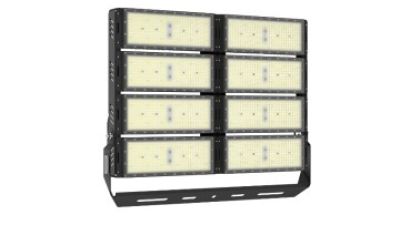
The evolution of high power series LED flood lights is reshaping sports fields and stadiums, enhancing visibility and safety for athletes and spectators alike. These advanced lighting solutions, now available in wattages from 200W to 2000W and input voltages spanning AC100V-277V or 300V-477V, demonstrate remarkable versatility and adaptability to various outdoor environments. With lumen efficiencies reaching up to 180lm/W, these lights not only provide bright illumination but also ensure energy savings, making them a sustainable choice for sporting venues.
Designed with practicality in mind, these flood lights feature a slim and modular structure, significantly reducing structural costs during installation. Their lightweight design allows for easy adjustments of the light angle, whether mounted on poles, walls, or ceilings. The inclusion of professional glare-free lenses with various beam angles—ranging from 15° to 120°—enables tailored lighting solutions for specific field layouts, ensuring optimal performance across all types of sports events. Moreover, with an IP66 rating and durable die-casting aluminum construction, these lights promise excellent heat dissipation and longevity, underlining their reliability through a five-year warranty period.
FAQS
: Increased urbanization and a shift toward sustainable energy solutions are driving market growth.
They offer sustainable illumination and help reduce carbon footprints in urban areas.
Many are integrating smart controls and sensors to adjust brightness based on traffic patterns.
There's uncertainty about their efficiency, and manufacturers are testing various battery technologies.
Approximately 30% of manufacturers do not meet basic safety requirements, raising reliability concerns.
Lights with good thermal management can last over 50,000 hours, if properly tested.
About 25% of returned products stem from defects, highlighting quality assurance gaps.
Ensuring the partner meets quality standards and has strong production processes is essential.
It leads to poor quality control and increased defects in LED street light production.
By implementing systematic inspections and investing in quality assurance practices.
Conclusion
The LED street light industry in China has become a significant player in the global market, driven by rapid advancements in technology and increasing demand for energy-efficient lighting solutions. This article outlines the key criteria for selecting top OEM factories, focusing on their innovative technologies and quality control standards. Additionally, it highlights the market trends and government policies shaping the sector, illustrating how these factors influence the manufacturing processes and capabilities of leading Chinese OEM LED street light manufacturers.
As the industry evolves, the emphasis on sustainability and smart city developments play a critical role in the growth of LED street light production. The combination of innovative practices and stringent quality measures ensures that Chinese manufacturers remain competitive, meeting both domestic and international standards while contributing to greener urban environments. Understanding these dynamics is essential for those looking to navigate the complex landscape of LED street light procurement in China.