Flickering lights can honestly be pretty annoying, right? They mess with the work environment and it's not exactly great for productivity either. Especially in places like warehouses, where good lighting is key to seeing clearly. So, if you’ve ever wondered how to stop those pesky flickers on your high bay LEDs, you're not alone — keeping a smooth, well-lit space is crucial.
Figuring out what's causing the flickering is the first step. Sometimes, it’s simply because the dimmer switch isn’t compatible with High Bay Dimmable Led Lights. That mismatch can cause them to flicker randomly, which is super frustrating. Wiring problems can also be to blame, so giving your setup a quick inspection could reveal hidden issues that are causing these glitches.
Also, don’t forget to consider the quality of the LED fixtures you're using. Going for the cheapest options might seem like a good idea at first, but in the long run, it’s probably just going to give you headaches — and maybe even safety concerns. Investing in reliable, high-quality high bay dimmable LED lights tends to pay off because they last longer and perform better.
Bottom line? A flickering light doesn’t just ruin the visibility — it can be a safety hazard too. Sure, troubleshooting takes a bit of effort and attention to detail, but trust me, the results are totally worth it for a better, safer workspace.
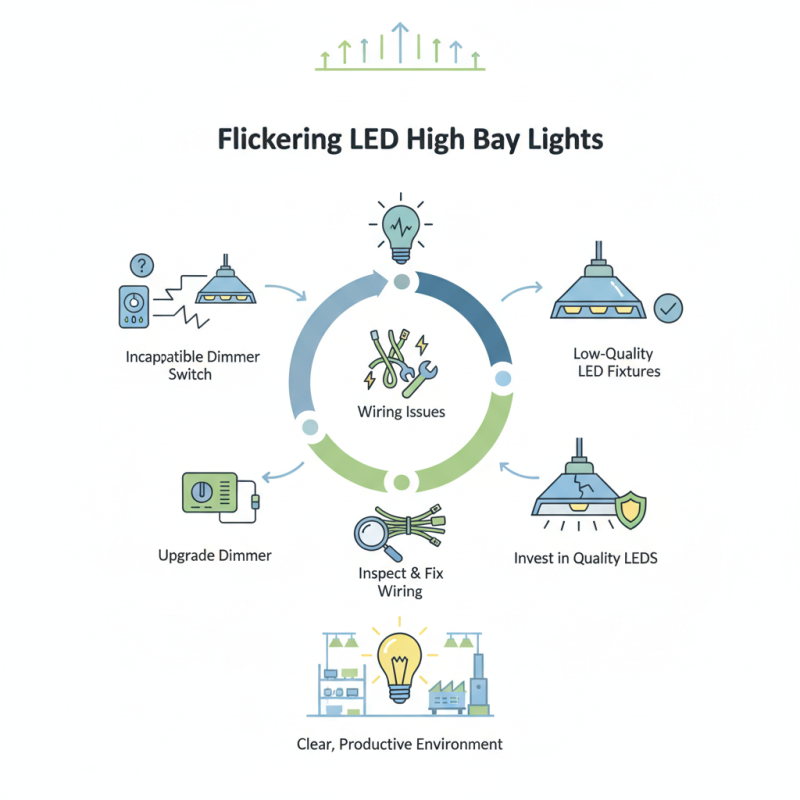
Understanding the Causes of Flickering in LED High Bay Lights
Flickering LED high bay lights can be frustrating. Understanding the reasons behind this issue is essential for finding solutions. One common cause is improper voltage levels. When the voltage fluctuates, lights can flicker on and off. This can happen due to issues with wiring or electrical sources. Sometimes, even minor changes can lead to significant problems.
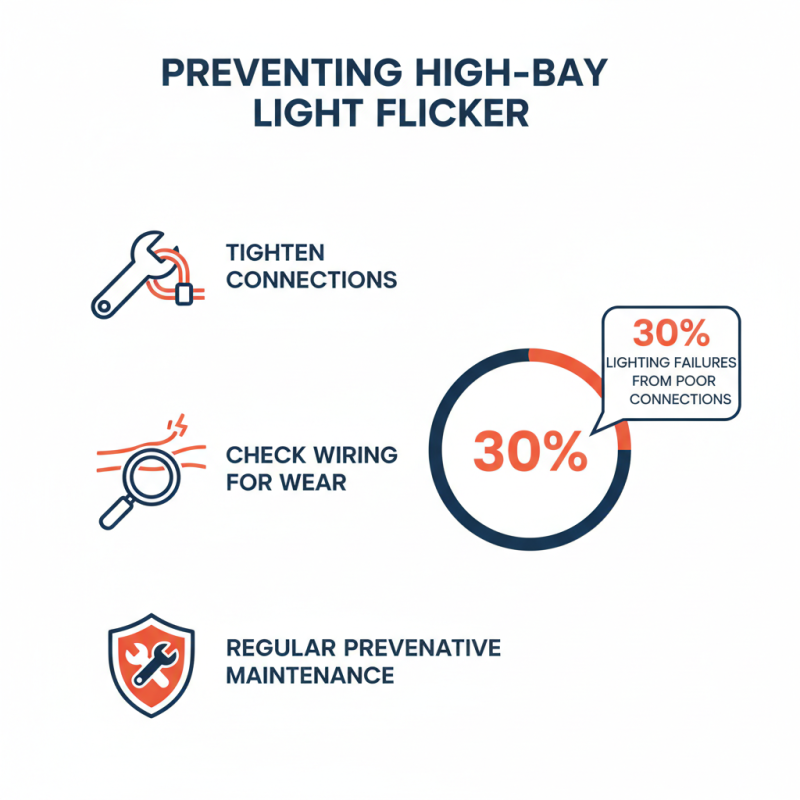
Another reason for flickering can be poor connections. Loose or corroded wires can disrupt the flow of electricity. As a result, the light doesn’t perform consistently. Regular maintenance and checks can help catch these issues early. It’s essential to create a habit of inspecting your fixtures regularly. Sometimes, the flickering could also stem from compatibility problems between dimmers and LED lights.
Lastly, temperature can play a role as well. LED lights may flicker in extreme conditions. High temperatures can cause electronic components to behave erratically. Reflect on your environment and how it affects your lighting. This understanding can lead to better management of your LED high bay lights.
Identifying the Symptoms of Flickering Lights
Flickering lights can disrupt any workspace. The symptoms may vary. You might notice a subtle flicker or a pronounced strobe effect. Both can create discomfort. According to a report by the American Lighting Association, about 30% of businesses experience issues with flickering lights. Understanding how to identify these symptoms is crucial.
Common causes often stem from electrical issues. A loose connection can lead to variations in power supply. Over time, these fluctuations can create a noticeable flicker. Equipment overload is another factor. When devices draw excessive power, flickering may occur. Regular inspections can help spot these problems early.
Work environments should be conducive to productivity. Flickering lights can hinder that. A study in the Journal of Environmental Psychology found that flickering lights could reduce focus by up to 45%. Addressing these issues promptly is essential. Otherwise, continued flickering can strain employees and impact overall efficiency.
How To Stop Led High Bay Lights Flickering Easily? - Identifying the Symptoms of Flickering Lights
| Symptoms |
Possible Causes |
Solutions |
| Flickering or strobing light |
Incompatible dimmer switches |
Replace dimmer switches with compatible ones. |
| Lights turning off and on |
Loose electrical connections |
Check and tighten all electrical connections. |
| Inconsistent brightness |
Voltage fluctuations |
Install a voltage stabilizer to regulate the supply. |
| Buzzing or humming sounds |
Defective driver |
Replace or repair the defective LED driver. |
| Lights flickering during certain times |
High electrical load from other devices |
Limit simultaneous use of high-power appliances. |
Checking the Compatibility of LED Drivers
When addressing the flickering issue of
Industrial High Bay Led Lights
,
checking the compatibility of LED drivers is crucial.
LED drivers are the heart of any LED lighting system. If they're mismatched, problems arise. They must supply the correct voltage and current that the lights demand.
Take a moment to inspect the specifications. Look at the driver's output ratings. Does it align with the lights you are using? An incompatible driver may lead to unpredictable flickering. Sometimes, even brand-new drivers can cause issues. Not all LED drivers are created equal.
Consider the wiring as well. Poor connections can exacerbate flickering issues. Inspect the entire setup. Loose connections or damaged wires often slip through unnoticed. Document your findings for future reference. This might light a path to a solution. The goal is to create a reliable lighting experience. Small adjustments can lead to significant improvements.
Adjusting Dimming Settings for LED High Bay Lights
Flickering in LED high bay lights can be frustrating. Many factors contribute to this issue. One common culprit is improper dimming settings. In commercial environments, adjusting these settings can resolve flickering. Many facilities overlook this, impacting overall lighting quality.
Research indicates that over 30% of flickering issues relate to dimmer incompatibility with LED drivers. A report highlights the importance of selecting compatible dimming systems. For example, 240w Led High Bay lights often require specific dimmers. Mismatched components lead to performance problems.
Adjusting dimming settings can greatly reduce flicker. Dimmer settings should match the LED driver specifications. This requires attention to details that may seem insignificant. Users sometimes forget that even small adjustments can yield substantial results. Regular maintenance checks can help identify these issues early. Addressing dimming compatibility promotes better lighting environments.
Maintaining Proper Voltage Levels for Optimal Performance
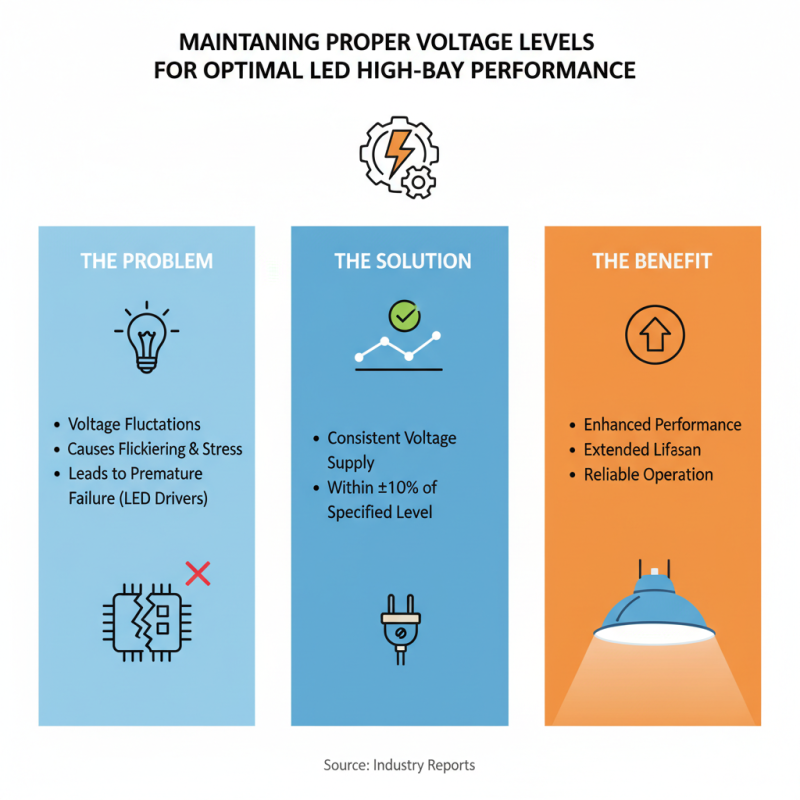
Maintaining proper voltage levels is crucial for LED high bay lights to work effectively. Flickering often occurs when voltage levels fluctuate. These fluctuations can stress the LED drivers, leading to premature failure. According to industry reports, maintaining a consistent voltage within 10% of the specified level can significantly enhance performance.
Led High Bay 240w fixtures typically require a stable voltage between 110 and 130 volts. If the voltage dips or spikes, it can cause noticeable flickering. Regular monitoring of electrical supply can help in identifying issues early. Most facilities overlook this aspect, impacting their lighting quality and energy efficiency.
Flickering lights may seem minor, but they can lead to bigger problems. Poor voltage levels can reduce the lifespan of your lighting system. Research indicates that lights operating under stable voltage can last up to 25% longer. Therefore, investing in voltage regulation systems can prove beneficial. Regular checks and adjustments should not be ignored. Regular voltage assessments can help in maintaining optimal performance.
Replacing Faulty Components to Eliminate Flickering Issues
Flickering in LED high bay lights can be frustrating. One common cause is faulty components. When these elements malfunction, the entire lighting system can be compromised. Identifying and replacing these faulty parts can significantly improve performance.
Start by inspecting the driver. A defective driver is often a key culprit for flickering lights. If the driver is bad, you might experience inconsistent lighting. Replace it with a compatible one. It’s a straightforward process, but ensure you power off the fixture first.
Don't overlook the LED bulbs themselves. Sometimes, the bulbs can fail or become incompatible with the fixture. Always use quality replacements that suit your lighting system. This simple step can eliminate flickering and provide stable illumination. Remember to check wiring connections as well. Loose wires can lead to irregular flickering patterns. Replacing these components may seem tedious but is essential for optimal functionality.
Causes of LED High Bay Lights Flickering
Conclusion
To address the problem of flickering in LED high bay lights, it is essential to first understand the root causes. Common issues include incompatible LED drivers, poor electrical connections, and improper voltage levels. Identifying symptoms of flickering can help pinpoint the source of the problem, allowing for targeted solutions.
When learning how to stop LED high bay lights from flickering, steps such as checking the compatibility of the LED drivers, inspecting wiring and connections, and adjusting dimming settings are crucial. Maintaining appropriate voltage levels ensures optimal performance, while replacing any faulty components can effectively eliminate flickering issues. By following these guidelines, you can enhance the longevity and functionality of your LED lighting systems.