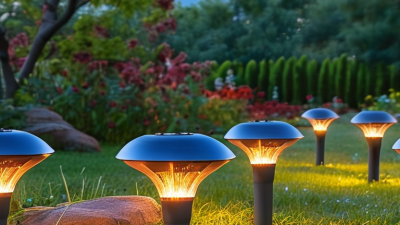
When it comes to looking for eco-friendly energy options, solar lights have really become a popular pick. But honestly, a lot of folks wonder, 'Why do solar lights stop working sometimes?' Even though they’re sold by trusted brands promising good quality, problems can still pop up. Knowing what might cause these issues is super important, both for people using the lights and the folks making them.
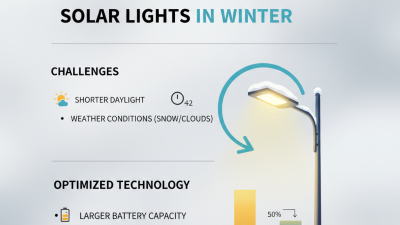
So, how does a solar street light actually work? Well, there are a few things that can impact its performance. Sometimes, components just don’t last because of shoddy manufacturing or tough weather conditions. Batteries and solar panels tend to be the main troublemakers — things like extreme heat or dampness can mess them up. And let’s not forget, if you’re not doing regular maintenance or just overlook simple checks, that can lead to problems too.
Working with a reputable supplier really helps. It’s key to pick brands with solid quality assurance and proper certifications. But even the most trusted companies aren’t immune to issues; they need to keep innovating to improve durability and efficiency. Recognizing these potential pitfalls can really help you make smarter choices. And honestly, it’s a good idea to stay alert for any warning signs that your solar lighting system might be on the fritz.
For more info on how solar street lights work, check this out: Solar Street Light Working.

Understanding ODM and CE Certification in Solar Lighting Products
When exploring ODM and CE certification in solar lighting products, it's essential to understand their roles. ODM, or Original Design Manufacturer, involves creating and designing products for other brands. This relationship can benefit both parties when done correctly. However, not all manufacturers adhere to the same quality standards. This leads to discrepancies in product performance and reliability.
CE certification signifies that a product complies with European health, safety, and environmental standards. It adds credibility and assures customers of consistent quality. Yet, some manufacturers may cut corners. For instance, they might prioritize cost over compliance, affecting product longevity. Solar lights that fail too soon often lack genuine CE certification.
Understanding these elements helps consumers make informed decisions. Reliable suppliers prioritize quality and transparency in their manufacturing processes. They maintain vigilance regarding certifications. This diligence can prevent avoidable issues like premature failure or safety hazards. Reflecting on these aspects can lead to better choices.
The Role of Trusted Suppliers in Solar Light Manufacturing
Trusted suppliers play a crucial role in solar light manufacturing. They ensure that products meet quality standards and comply with certification processes. When solar lights fail, it's often due to issues in the supply chain. Reliable suppliers conduct rigorous testing, which significantly reduces failure rates.
However, not all suppliers prioritize quality. Some may sacrifice durability for cost efficiency. This can lead to products that stop working prematurely. It’s essential to choose suppliers with a proven track record. Investigate their experience in the market and look for customer reviews. A trustworthy supplier provides not only high-quality solar street lights but also ongoing support.
Tips: Always verify the certifications of your suppliers. Ensure they have a history of compliance. Prioritize those who offer warranties on their products. Regular maintenance checks can help identify potential issues before they escalate. Building relationships with suppliers can lead to better quality control and product longevity.
Common Reasons Solar Lights Fail and Their Impact on Performance
Solar lights are popular for their efficiency and environmental benefits. However, many users face issues with performance and durability. Understanding the common reasons why solar lights fail is essential for sourcing reliable products.
One significant factor is battery performance. If solar panels do not absorb enough sunlight, batteries may not charge fully. Low-quality batteries can also drain faster than expected. Regular maintenance is critical; neglecting it can reduce efficiency. Another reason is poor construction quality in some products. Waterproofing and build materials can significantly impact durability.
Lastly, the positioning of solar lights plays a vital role. If placed in shaded areas, the lights won't receive adequate sunlight. Many users do not realize this. Ensuring strategic placement can enhance performance. Solar Led Hanging Lights, for instance, should be positioned to maximize sunlight exposure. Awareness of these aspects can improve the longevity and effectiveness of solar lighting solutions.
Top ODM CE Certification Insights Why Do Solar Lights Stop Working With Trusted Suppliers? - Common Reasons Solar Lights Fail and Their Impact on Performance
| Common Reasons for Solar Light Failure |
Impact on Performance |
Possible Solutions |
| Poor Quality Batteries |
Reduced runtime and brightness |
Use higher quality batteries |
| Inadequate Solar Panel Efficiency |
Insufficient charging capacity during the day |
Upgrade to more efficient solar panels |
| Poor Weather Resistance |
Damage from environmental factors |
Ensure proper weather sealing and materials |
| Incorrect Installation |
Possible misalignment affecting solar charging |
Follow correct installation guidelines |
| Aging Components |
Decline in overall performance over time |
Regular maintenance and component replacement |
Evaluating the Quality Standards of ODM Solar Light Manufacturers
When evaluating ODM solar light manufacturers, quality standards play a vital role. A reliable manufacturer must prioritize rigorous testing and certification for their products. This process ensures that solar lights can withstand various environmental conditions, from extreme heat to heavy rain. Without proper certification, users may face unexpected failures.
One common issue is the inconsistency in quality control. Many ODM manufacturers may cut corners to reduce costs. This compromises the durability and efficiency of the solar lights. Consumers often prefer products backed by certifications, which verify the claimed performance standards. However, not all certifications are equal.
Transparency is essential in this industry. Trustworthy manufacturers openly share their testing results and certifications. Buyers should demand information on the materials and processes used in production.
Evaluating these details helps identify suppliers committed to quality over profit. Ultimately, the choice of manufacturer can significantly impact the longevity and reliability of solar lights.
Importance of Compliance and Certification for Solar Lighting
In recent years, the solar lighting industry has seen exponential growth. Compliance and certification play crucial roles in ensuring reliability and safety. According to the Solar Energy Industries Association (SEIA), the solar market is expected to grow by 20% annually. However, some solar lights, including popular
Solar Fence Lights, may stop working due to lack of proper certification.
One major concern is the adherence to international standards. Many suppliers rush production without proper testing, leading to products that fail prematurely. A study by the Renewable Energy Association (REA) indicates that nearly 30% of solar lights fail within the first year when certification is not prioritized.
Monitoring compliance not only assures quality but also protects consumers. Consumers should seek products with clear certification labels. Look for standards such as IEC and UL. Ensuring these certifications are met can reduce risk.
Tip: Always check reviews and ratings. Feedback from other users can provide insight into product performance.
It is essential for suppliers to maintain their standards too. If they cut corners, they put their credibility at risk. A lack of compliance can damage their reputation.
Tip: Regular audits and inspections can help maintain quality. Keeping a transparent supply chain builds trust.
Steps to Ensure Long-lasting Functionality of Solar Lights
When investing in Outdoor Solar Lamp Post Lights, understanding their durability is crucial. According to recent industry reports, nearly 30% of solar lights fail within the first two years. This often results from improper sourcing and quality assurance issues. Trusted suppliers regularly employ rigorous testing to guarantee product longevity. However, not all manufacturers follow these standards, leading to underperformance.
One way to ensure the longevity of solar lights is through regular maintenance. Cleaning solar panels can significantly enhance their efficiency. Dust and debris can obstruct sunlight, reducing energy absorption. It is also important to check connections and batteries periodically. The latest studies suggest that solar lights with premium batteries can last up to five years longer than their cheaper counterparts.
Additionally, consider weather resistance. Many solar lights struggle in extreme conditions, leading to malfunctions. Look for products with robust and weatherproof designs. Research shows that lights designed for harsh weather can reduce failure rates by nearly 40%. This highlights the necessity of choosing reliable suppliers focused on ensuring high-quality craftsmanship.
Best Practices for Selecting Reliable Suppliers for Solar Lighting
Selecting reliable suppliers for solar lighting is crucial for both quality and longevity. Many buyers overlook the importance of this step. A well-chosen supplier can significantly reduce the risk of product failure, such as solar lights malfunctioning. Understanding a supplier's track record is vital. Check for industry certifications and customer reviews. These factors offer insight into their reliability.
Moreover, communication is key. Engaging with suppliers can reveal their commitment to quality. Ask about their manufacturing processes and materials used. A trustworthy supplier will transparently share this information. If they hesitate or provide vague answers, it might indicate potential issues. Pay attention to after-sale support as well. This aspect reflects how a supplier values long-term relationships.
A good decision involves examining the full supply chain. Does the supplier source sustainable materials? Do they follow strict quality control measures? Reflect on these aspects during your selection process. Sometimes, the cheapest option may lead to unexpected failures later. Quality often correlates with price. Take time to evaluate your choices carefully and avoid impulsive decisions.
Enhancing Urban Lighting: A Data-Driven Analysis of the Efficacy and Savings of High-Quality 30W-250W COB LED Street Lights
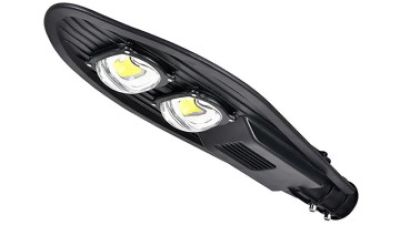
In the quest to enhance urban lighting, the use of high-quality 30W-250W COB LED street lights has emerged as a pivotal solution backed by data-driven analysis. By integrating innovative design and technology, these lights provide superior energy efficiency while significantly reducing operational costs. With a wattage range of 30W to 300W and an input voltage capability of AC100V-277V, they are versatile enough to meet various outdoor needs, from bustling city streets to quiet country roads.
One of the standout features of these COB LED street lights is their unique flat honeycomb design, which not only offers an aesthetically pleasing appearance but also enhances heat dissipation capabilities. This design, combined with durable materials like die-casting aluminum and tempered glass, ensures longevity and reliability even in diverse weather conditions, as indicated by their IP65 weather resistance rating. Furthermore, the availability of professional glare-free lenses in various angles (60°, 90°, 120°, T2, T3, and T4) makes these lights suitable for a wide range of applications while minimizing light pollution.
Designed with convenience in mind, these lights boast a lightweight body that facilitates easy installation and simple replacement of components. The extended warranty period of 2-3 years underscores the commitment to quality and durability, reassuring users of long-lasting performance. The combination of stylish design and competitive pricing makes these COB LED street lights an economical choice for municipalities and businesses aiming to upgrade their outdoor lighting systems without sacrificing quality or performance.
FAQS
: Poor battery performance and lack of sunlight are common issues. Users often overlook maintenance, which is critical for efficiency.
Low-quality batteries drain quickly. If solar panels don’t absorb enough sunlight, full charging becomes impossible.
Poor construction can lead to malfunctions. Waterproofing and materials directly affect how long solar lights last.
If placed in shaded areas, lights won’t receive enough sunlight. Many users might not realize the impact of placement.
Regular maintenance, like cleaning solar panels, enhances efficiency. Keeping connections and batteries in check is also vital.
Look for transparency in testing and certifications. Reliable manufacturers prioritize quality over cost-cutting practices.
Extreme weather can damage lights, leading to failures. Products designed for harsh conditions typically perform better.
Reports indicate nearly 30% of solar lights fail within the first two years, often due to sourcing issues.
Regular maintenance is crucial, but many users overlook it. Checking panels and batteries should happen frequently.
No, not all certifications are equal. Consumers should verify performance claims backed by credible certifications.
Conclusion
The article titled "Top ODM CE Certification Insights: Why Do Solar Lights Stop Working With Trusted Suppliers?" delves into the intricacies of ODM (Original Design Manufacturer) and the significance of CE certification in the solar lighting industry. It explores the essential role that trusted suppliers play in the manufacturing process while addressing common reasons why solar lights stop working, such as poor quality components and lack of compliance with standards.
Furthermore, the article emphasizes the importance of evaluating the quality standards of ODM manufacturers and the role of compliance and certification in ensuring optimal performance and longevity of solar lighting products. It provides practical steps for consumers looking to maintain their solar lights and best practices for selecting reliable suppliers, ultimately guiding readers to make informed choices about solar lighting solutions.