As the colder months roll in, I think a lot of homeowners find themselves asking,
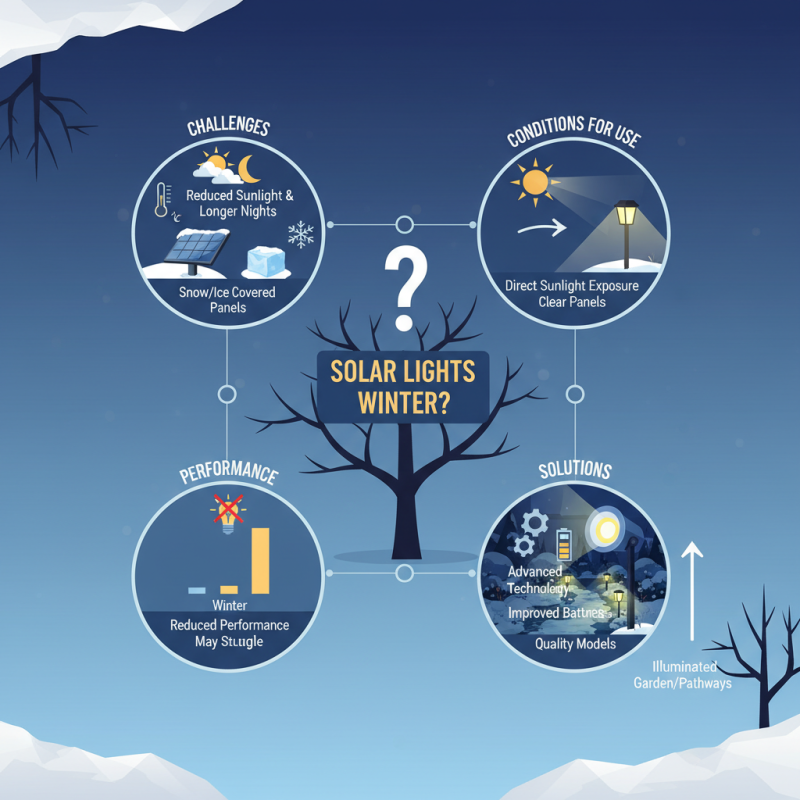
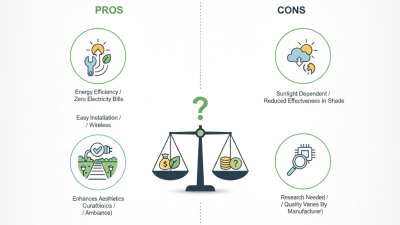
Solar landscape lights do offer functionality in winter, but their performance can be impacted by several factors. The efficiency of these lights largely depends on the amount of sunlight they absorb. During winter months, shorter days mean less sunlight, which can affect battery charging. If the solar panels are covered in snow, the lights won’t work at all.
Many users find that solar lights dim in colder months. This doesn't mean they are ineffective; rather, it emphasizes the need for adequate solar exposure. Some lights may struggle to fully charge on cloudy days or in areas with prolonged shade. It's essential to place them in a spot where they can catch as much light as possible.
Maintaining solar landscape lights is also crucial. Regular cleaning of solar panels ensures optimal performance. Dust or debris can block sunlight, diminishing charging efficiency. While winter can be challenging for solar lights, thoughtful placement and upkeep can enhance their functionality. These considerations are vital for anyone contemplating solar options in their landscape design.
This chart illustrates the average daily operational hours of solar landscape lights during the winter months. As daylight decreases, operational hours also decline, indicating seasonal variations in performance.
When considering solar landscape lights in winter, several key factors come into play. Cold weather impacts the performance of solar lights significantly. In winter, shorter days and reduced sunlight can lead to inadequate charging. Moreover, snow and ice can cover the solar panels, obstructing their ability to gather sunlight. As temperatures drop, the battery efficiency can also decline, affecting overall light output.
Tips:
Ensure your solar lights are placed in well-lit areas. Avoid locations where snow accumulation occurs. Choosing lights with larger solar panels can enhance performance, boosting energy capture even on overcast days.
Additionally, regular maintenance is essential during winter months. Clear any snow or debris from the solar panels regularly. Inspect the battery for signs of wear; cold conditions can be hard on battery life. It's important to manage expectations; performance may not match summer levels. Understanding these factors can lead to better decisions for winter lighting solutions.
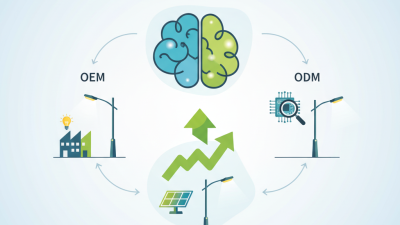
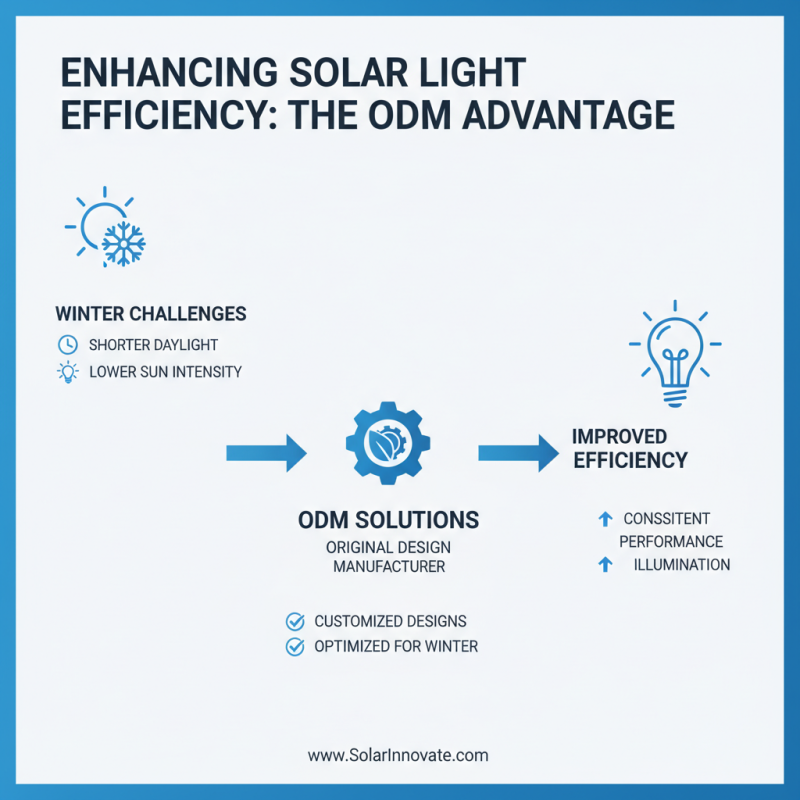
The efficiency of solar landscape lights can diminish in winter. This is primarily due to shorter daylight hours and lower sunlight intensity. However, the role of ODM solutions is crucial in addressing these challenges. ODM, or Original Design Manufacturer, provides customized solar light designs. These designs can be optimized for winter conditions.
Industry reports indicate that solar panels lose efficiency as temperatures drop. In fact, they can produce up to 25% less energy in chilly weather. ODM solutions enable manufacturers to select materials that maintain performance. They can also fine-tune battery capacity, ensuring that Led Landscape Lights remain functional even on cloudy days.
Understanding the local climate is vital when selecting solar landscape lights. ODM partnerships help create lights suited to specific environmental conditions. This can include enhanced insulation and larger solar panels. Nevertheless, not all ODM solutions guarantee success. Some may overlook practical field testing, leaving room for improvement. The key lies in continuous innovation and rigorous testing to enhance the reliability of solar lighting in all seasons.
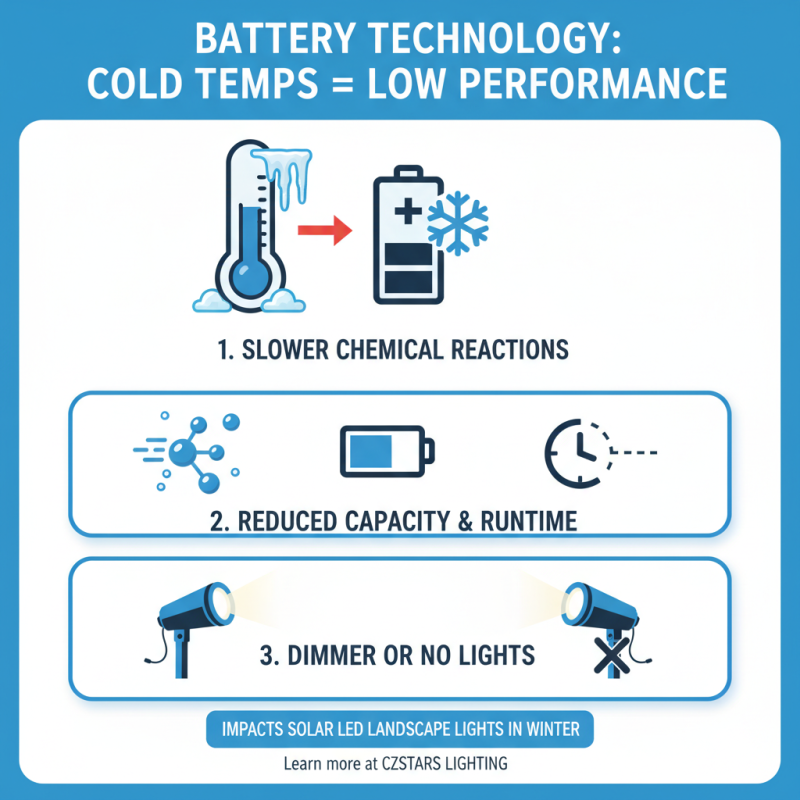
Cold temperatures can significantly impact battery performance in solar landscape lights. As the mercury drops, chemical reactions within batteries slow down. This leads to reduced capacity and shorter run times for solar lights. Many users find their lights dimming or even failing to turn on during winter months. Understanding this is essential for effective use of Led Landscape Lighting.
The technology behind these batteries plays a crucial role. Lithium-ion batteries typically perform better in cold conditions than other types. However, even the best batteries struggle when temperatures fall below freezing. Users should consider solar lights designed with cold-weather performance in mind. This can ensure more reliable operation during winter.
Installation location also matters. If solar panels are shaded or covered in snow, charging is hindered. Regular maintenance, like clearing snow and debris, can help. Some lights may not have enough exposure to sunlight. Rethinking placement and battery type is vital for optimal performance. Winter challenges require careful consideration for effective usage of solar landscape lights.
Using solar landscape lights in winter can be challenging, but there are effective strategies to maximize their performance. Research indicates that solar panels are less efficient in cold weather, particularly when temperatures drop below freezing. In fact, a study shows solar energy conversion can decrease by up to 20% during winter months. This highlights the importance of proper planning and positioning of solar lights.
To optimize solar landscape lights, it’s essential to place them in areas that receive maximum sunlight throughout the day. Snow accumulation can obstruct sunlight, so it’s crucial to clear any snow off the panels regularly. Moreover, selecting models designed for lower light conditions can make a substantial difference. For instance, LEDs specifically designed for winter can provide better illumination and resilience. Utilizing Led Spot Light Landscape models can enhance outdoor visibility even in cloudy or snowy weather.
Battery capacity also plays an important role. Cold temperatures can reduce battery efficiency. Monitoring battery condition and considering off-season charging strategies can lead to better results. Homeowners might find that investing in batteries with higher quality ratings yields better performance during winter. While solar landscape lights can still function effectively, these practices underscore the importance of adapting to seasonal challenges for optimal use.
Winter poses unique challenges for solar landscape lights. Many users question their effectiveness during colder months. Traditional solar lighting relies on sunlight, which is scarce in winter. This leads to reduced charging and shorter operational hours. In contrast, ODM China solutions have made significant advancements. They often utilize more efficient solar panels and batteries, which can perform better in low light conditions.
According to a report by the Solar Energy Industries Association, solar technology is evolving rapidly. Upgraded models can capture diffuse sunlight more effectively. These improvements can increase reliability during winter. Many ODM solutions feature integrated energy management systems. This allows for better monitoring of solar performance. Hence, even in winter, Landscape Architecture Lighting can remain functional when using better technologies.
Tip: When choosing solar lights, consider those with higher lumen output. This often translates to better visibility at night. Additionally, ensure the solar panel angles are adjustable. Proper orientation can optimize sunlight exposure during winter.
Some users report disappointing results with traditional options. A common complaint is that they fail to light up adequately at night. Keeping expectations realistic is key. ODM technology might address some concerns, but not all conditions are ideal. Regular maintenance and placement adjustments can enhance performance.
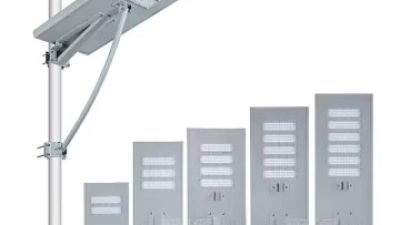
The integration of solar technology in urban infrastructure is becoming increasingly crucial as cities aim for sustainable development. High lumen all-in-one LED street lights represent a significant advancement in this journey, providing eco-friendly solutions that cater to urban lighting needs without burdening the environment. With wattages ranging from 60W to 180W and high luminous efficiencies of 150-170 lm/W, these solar lights ensure bright and effective illumination while minimizing energy consumption.
One of the standout features of these systems is their use of monocrystalline silicon solar panels, which range from 48W to 120W capacity, facilitating a robust energy conversion process. These lights are designed to operate for 30 to 36 hours on a single charge after just 6 to 8 hours of sunlight exposure, showcasing their efficiency. Furthermore, they are equipped with flexible control modes, including timers and motion sensors, which adapt to diverse environmental conditions and enhance energy savings. With effective autonomy during cloudy or rainy periods spanning 3 to 5 days, these street lights provide consistent lighting solutions.
The longevity and durability of high lumen all-in-one LED street lights also significantly contribute to their sustainability profile. Boasting a lifespan of up to 100,000 hours and a protective IP65 rating, these lights are designed to withstand harsh weather conditions. Offering a 5-year warranty further solidifies their role as a reliable choice for cities. As urban centers continue to grow and adapt to climate challenges, leveraging such solar technologies forms a vital component of sustainable urban development strategies, ensuring that cities not only illuminate pathways but also lead the way in energy conservation and environmental stewardship.
: Cold weather significantly impacts solar light performance. Reduced sunlight and shorter days limit charging efficiency.
Place lights in well-lit areas. Avoid spots with snow accumulation that can block sunlight.
As temperatures drop, battery efficiency declines. This can cause lights to dim or fail to turn on.
Regularly clear snow and debris from solar panels. Inspect batteries for signs of wear.
Yes, lithium-ion batteries perform better in the cold. But even they struggle below freezing temperatures.
Clear snow off panels and position lights for maximum sunlight. Choose models designed for lower light conditions.
Snow can obscure solar panels, hindering their ability to gather sunlight effectively.
Yes, performance may not match summer levels. Be realistic about the output.
Yes, higher-quality batteries yield better results during winter conditions.
Shading restricts charging, leading to diminished performance. Rethink placement for optimal sunlight exposure.
The article "Do Solar Landscape Lights Work In Winter With ODM China Solutions?" explores the functionality and performance of solar landscape lights during cold weather. It emphasizes that while solar lights can operate in winter, key factors such as available sunlight, battery technology, and temperature impact their efficiency. The piece discusses how ODM solutions can enhance solar light performance, especially in harsh winter conditions, by improving battery technology and optimizing light output. Best practices for utilizing solar landscape lights in winter are also provided, highlighting that with the right adaptations and solutions, these lights can be effectively used all year round.
In summary, the effectiveness of solar landscape lights in winter is influenced by various factors, and ODM solutions play a crucial role in mitigating cold-related performance issues. Understanding these aspects is vital for those considering solar lighting as a reliable option in colder climates.