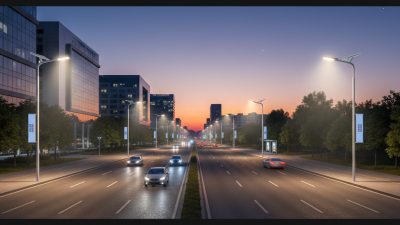
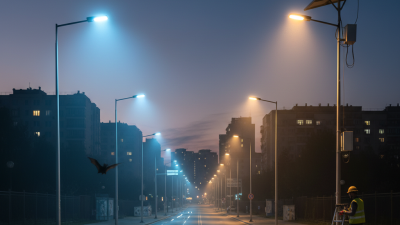
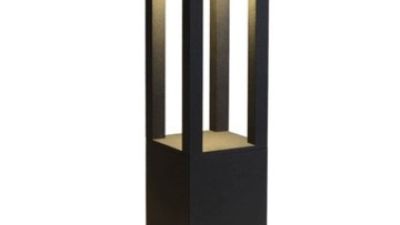
In today’s ever-changing world of lighting, getting a grasp on what exactly architectural LED lighting is can be pretty important. It’s this cool combo of function and style, really shaping how our spaces look and feel in some pretty creative ways. Companies like Luminaire Design and BrightSpace Technologies are really pushing the envelope, coming up with some truly gorgeous setups.
Basically, architectural LED lighting is all about highlighting and enhancing the architecture itself. It offers a lot of flexibility, so you can get pretty creative with how you use it in different settings. But, honestly, choosing the right options isn’t always a walk in the park. Some brands might focus more on how it looks than on how well it actually works, which can end up being a bit disappointing. That’s why, when you’re picking a partner or a product, it’s super important to go with someone reliable.
Figuring out the ins and outs of this industry can be tricky — you need a bit of both experience and some know-how. A lot of folks struggle to tell true innovation from just hype or passing trends. Common pitfalls? Overly complicated designs that don’t serve their purpose or lighting that’s just not bright enough. As the market gets more mature, manufacturers really need to prioritize quality and making sure users actually enjoy the experience. Recognizing what’s not working helps everyone get better. Good architectural lighting should do more than just light up a space — it should inspire and transform even everyday rooms into something special.
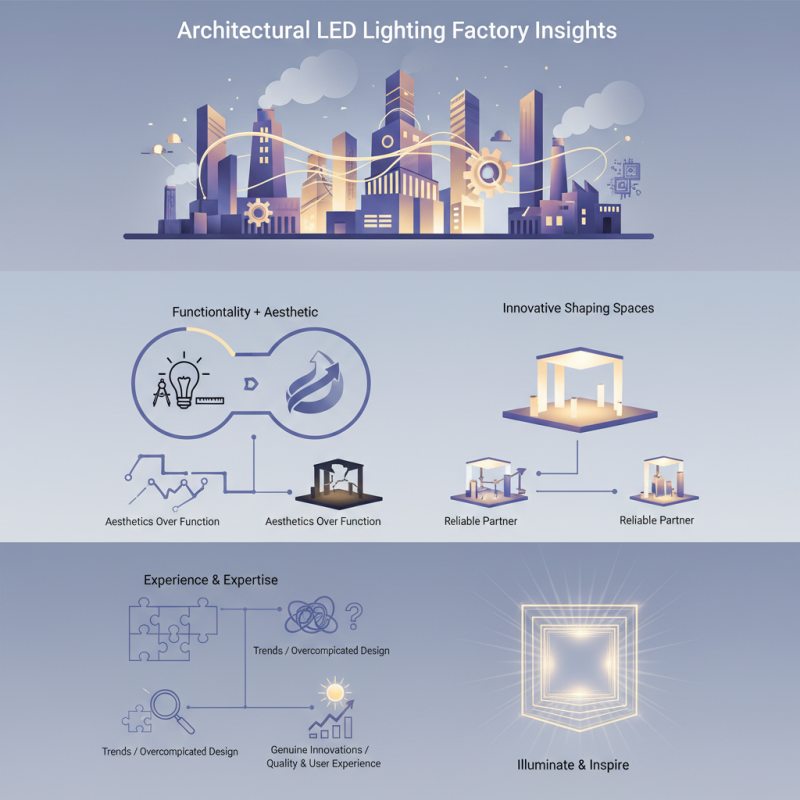
Understanding Architectural LED Lighting: Definition and Importance
Architectural LED lighting plays a crucial role in modern design. This type of lighting emphasizes the architectural features of a space. It blends function with aesthetics, illuminating structures beautifully. Effective architectural lighting helps create moods and highlights important areas.
Understanding architectural LED lighting means recognizing its importance in various settings. Commercial buildings, museums, and homes benefit from these lighting solutions. They enhance visibility and provide safety.
Architectural Led Strip Lighting, in particular, offers versatility in design. It can be used in ceilings, walls, or floors. This flexibility allows for creative applications that transform spaces dramatically.
Many people overlook the potential of architectural lighting. Some projects fail due to poor planning or inadequate knowledge. Designers must stay updated on trends and technologies. Each space requires a unique approach. What works in one setting may not suit another. Observing how different lighting affects mood is essential. This reflection can lead to better designs and more impactful results.
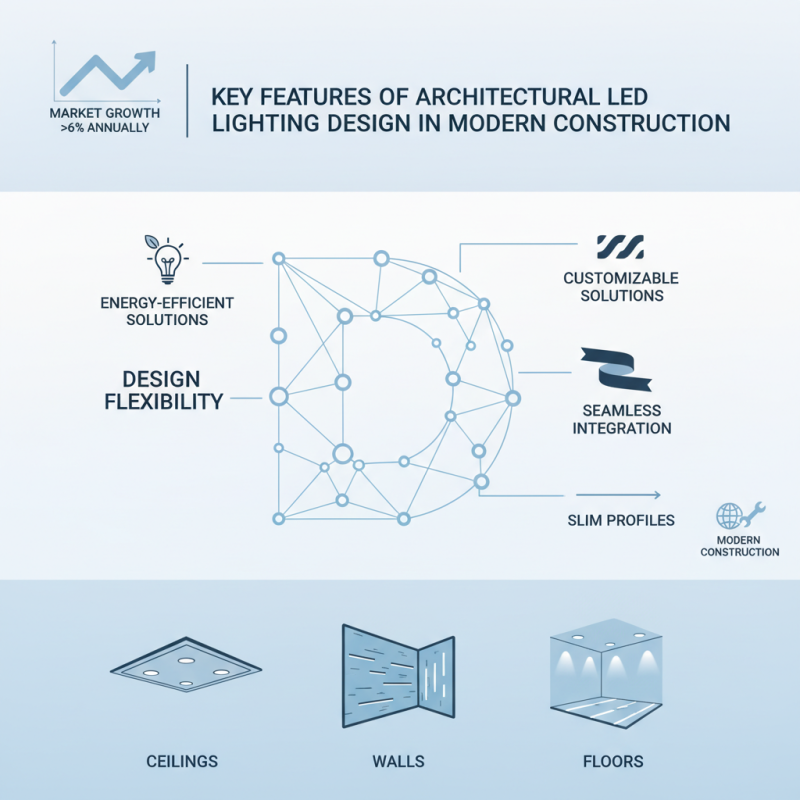
Key Features of Architectural LED Lighting Design in Modern Construction
Architectural LED lighting is revolutionizing modern construction. According to a recent industry report, the market for architectural lighting is projected to grow by over 6% annually, driven by the increasing demand for energy-efficient solutions. Design flexibility is crucial, as LED fixtures can be customized to fit various architectural styles. Their slim profiles allow integration into ceilings, walls, and floors without compromising aesthetic appeal.
A significant aspect is the ability to create dynamic lighting environments. Designers are increasingly utilizing smart technologies to adjust brightness and color temperatures. This adaptability enhances ambience in spaces, promoting well-being and productivity. Consider a workplace where lighting can mimic natural daylight; studies suggest this boosts employee satisfaction by 25%.
However, challenges remain. While LED technology has advanced, not all designs achieve desired effects. Some installations may suffer from inconsistent lighting or glare issues. These missteps highlight the need for collaboration between architects and lighting designers. Approaching designs with a focus on functionality and aesthetics ensures the best outcomes. Balance is key; creating spaces that are both beautiful and practical requires ongoing reflection and adjustment.
The Role of OEM and ODM in the Architectural LED Lighting Industry
The architectural LED lighting industry is experiencing significant growth. OEM and ODM models play essential roles in this evolution. Original Equipment Manufacturers (OEM) focus on producing lighting products based on designs provided by their clients. Meanwhile, Original Design Manufacturers (ODM) create and design products independently, catering to the needs of various architectural projects.
In the realm of Exterior Architectural Lighting, these manufacturers ensure that innovative designs keep pace with technological advancements. They facilitate flexibility in production, allowing clients to adjust features according to project specifications. This adaptability is often vital in meeting the unique demands of modern architecture while adhering to energy efficiency standards.
However, the reliance on OEM and ODM also poses challenges. Quality assurance is a key concern. Not all manufacturers maintain the same standards. It’s important for companies to conduct thorough research before partnering. Effective communication plays a crucial role in aligning expectations. As architects and designers navigate this landscape, choosing the right manufacturing partner becomes essential for success.
Manufacturing Processes in Architectural LED Lighting Factories
Architectural LED lighting plays a crucial role in modern design, blending aesthetics with functionality. The manufacturing process begins with meticulous planning. Engineers design lighting systems that enhance spaces while maintaining energy efficiency. Prototyping is vital in this stage. Companies often create multiple versions to ensure the final product meets performance standards.
In architectural LED lighting factories, quality control is paramount. Testing each unit for color accuracy and durability is essential. The assembly line is finely tuned for efficiency, reducing waste and improving output. However, issues can arise. For example, maintaining consistency in light output across batches can be challenging. Adjustments may be needed to meet strict specifications.
Dark Architectural Lighting is becoming popular for its unique ability to create atmosphere. Factories producing such lighting need advanced techniques. Bespoke solutions often require collaboration with designers and architects. Real-time feedback can lead to improvements, but communication gaps sometimes occur. These challenges can foster innovative solutions that drive progress in the industry.
Quality Standards and Certifications for Architectural LED Lighting Products
Quality standards and certifications play a major role in the architectural LED lighting industry. They ensure that products meet specific safety and performance requirements. Quality assurance fosters trust between manufacturers and customers. For Architectural Garden Lighting, these standards are essential. They ensure longevity and energy efficiency, critical aspects in outdoor settings.
Various certifications exist, focusing on energy efficiency and environmental impact. Testing programs evaluate materials used in LED lighting. This rigorous analysis helps minimize defects and enhances reliability. Consumers need to check for certifications like UL, CE, and RoHS. These symbols signify compliance with relevant standards.
However, not all manufacturers adhere to these practices. Some may overlook rigorous testing to cut costs. This can lead to subpar products with shorter lifespans. It's essential for buyers to do thorough research before selecting suppliers. Partnering with trustworthy manufacturers ensures quality and compliance. Seeking out detailed information on materials and certifications is a good practice.
Architectural LED Lighting Quality Standards and Certifications
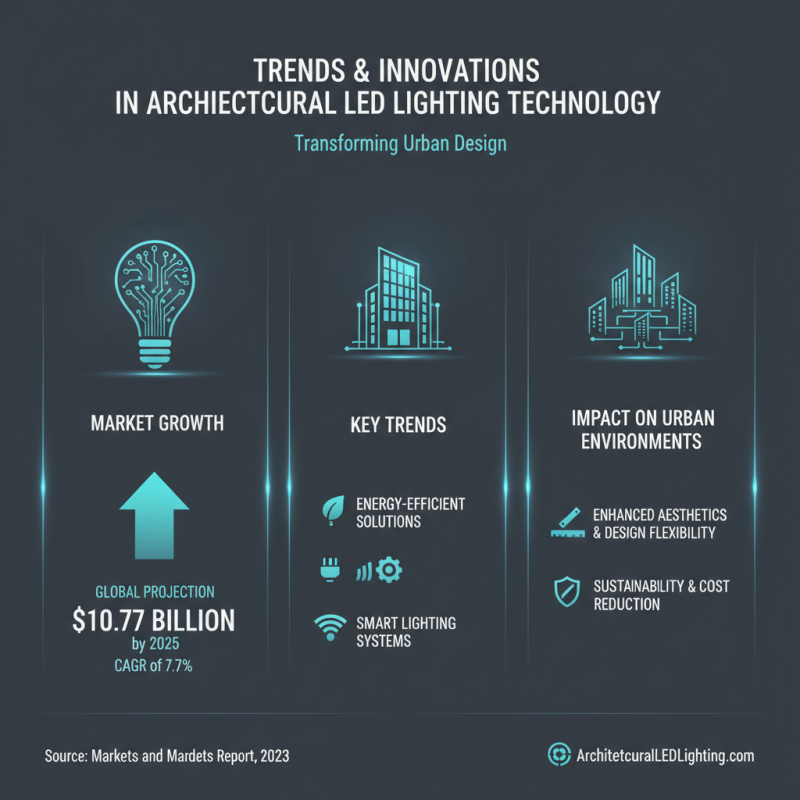
Trends and Innovations in Architectural LED Lighting Technology
Architectural LED lighting technology has rapidly evolved, transforming designs in urban environments. In recent years, the market for LED architectural lighting has grown significantly. According to a report by Markets and Markets, the global architectural lighting market is projected to reach $10.77 billion by 2025, with a CAGR of 7.7%. Such growth reflects a shift towards energy-efficient solutions and smart lighting systems in architectural applications.
Innovations in LED technology, such as tunable white lighting and smart controls, enhance user experiences. These advancements enable designers to create dynamic environments. Research from the American Society of Interior Designers indicates that well-designed lighting can improve mood and productivity by up to 30%. This highlights the integral role that architecture plays in well-being and functionality.
**Tip:** Focus on integrating smart technology into your designs. This allows for greater flexibility and customization in lighting solutions.
As sustainability becomes a priority, many architects are seeking eco-friendly materials. Reports from the International Energy Agency suggest that LED lighting can reduce energy consumption by over 50% compared to traditional lighting systems. However, challenges remain in developing cost-effective solutions. Continuous innovation is vital for addressing these hurdles.
**Tip:** Regularly assess the latest technologies. Staying informed can make a significant difference in project outcomes.
Challenges Faced by Architectural LED Lighting Manufacturers Today
The architectural LED lighting industry faces several pressing challenges today. Manufacturing efficiency is a constant struggle for many companies. According to industry reports, about 40% of manufacturers cite high production costs as a significant barrier. This limits their ability to invest in innovative technologies that could enhance quality.
Supply chain disruptions remain a critical issue. A staggering 70% of firms reported delays in sourcing essential materials. This complicates their operations and leads to longer project timelines. As a result, maintaining customer satisfaction becomes increasingly difficult. Manufacturers must find reliable partners to mitigate these risks.
Sustainability is another area where manufacturers encounter obstacles. The demand for eco-friendly products is rising, with 80% of consumers prioritizing sustainable options. However, many manufacturers lack the resources to adopt green practices fully. Balancing economic viability with environmental responsibility is an ongoing struggle in the industry. These challenges highlight the need for continuous reflection and adaptation among architecture LED lighting manufacturers.
Enhancing Outdoor Spaces: The Impact of Waterproof Integrated LED Garden Lights on Energy Efficiency and Safety in Landscape Design
Integrating waterproof LED garden lights into outdoor landscape designs significantly enhances both energy efficiency and safety. With a wattage range of 7W to 10W, these lighting solutions provide ample illumination while minimizing energy consumption. Utilizing advanced LED technology, these lights boast an impressive lumen efficiency of 100-120lm/W, ensuring that every watt used contributes to a bright, inviting environment without excessive energy costs.
The robust construction of these lights features a die-casting aluminum body paired with a PC lens, designed to withstand varying weather conditions while maintaining aesthetic appeal. With an IP65 rating, these lights are protected against dust and water ingress, making them ideal for outdoor use. Additionally, the glare-free lens with a 120° beam angle enhances visibility while ensuring safety, allowing spaces to be well-lit without harsh lighting. Options such as a PIR sensor add an extra layer of functionality, enabling automatic illumination in response to movement. By incorporating these elements into landscape design, property owners can create beautiful and safe outdoor spaces that are both energy-efficient and environmentally friendly.
FAQS
: Architectural LED lighting enhances design by highlighting features of a space. It combines usefulness with beauty.
This type of lighting is found in commercial buildings, museums, and homes. It improves visibility and safety.
Projects may fail due to poor planning or lack of knowledge. Awareness of trends is vital for success.
OEMs produce based on client designs. ODMs create products independently to meet diverse architectural needs.
High production costs hinder innovation. Additionally, supply chain disruptions lead to project delays and customer dissatisfaction.
There is a rising demand for eco-friendly products. Many manufacturers cannot fully implement green practices due to resource limitations.
Different lighting styles can create various atmospheres. Observing these changes is crucial for impactful design.
Researching quality assurance is essential. Effective communication helps align expectations between architects and manufacturers.
Continuous reflection and adaptation are necessary. Companies must stay responsive to consumer demands and technological advancements.
Balancing economic and environmental goals is tough. Manufacturers must navigate this challenge to succeed in the market.
Conclusion
Architectural LED lighting plays a crucial role in modern construction, enhancing both aesthetic appeal and functionality. This type of lighting is designed specifically to complement architectural elements, providing effective illumination while contributing to the overall design ethos of a space. Understanding what is architectural LED lighting involves recognizing its importance in creating visually striking environments that meet contemporary standards of energy efficiency and sustainability.
The manufacturing of architectural LED lighting involves complex processes and is heavily influenced by Original Equipment Manufacturers (OEM) and Original Design Manufacturers (ODM). These entities collaborate to bring innovative lighting solutions to market, adhering to strict quality standards and certifications. As technology advances, manufacturers face challenges such as evolving consumer demands and the need to incorporate the latest trends and innovations in their products, ensuring they remain competitive in a rapidly changing industry.