When it comes to LED lighting, understanding the differences can actually make a big difference—pun intended! You might’ve heard people ask, “What’s the difference between spot and flood LED lights?” Well, industry pro Michael Johnson from BrightTech Innovations explains it pretty simply: "Spot lights are all about being precise, focusing tightly on specific things, while flood lights spread out and brighten up a whole big area." Knowing this stuff really helps when you're trying to pick out the right lighting for your space.
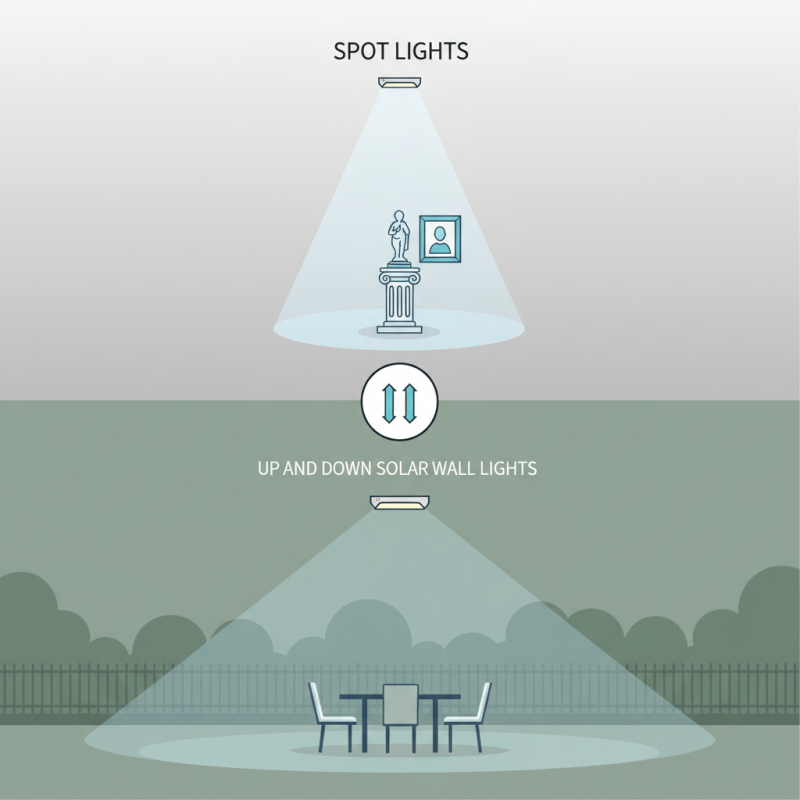
So, a quick rundown — spot LED lights are great for highlighting specific features, like artwork or signs. They really draw the eye and make details pop. On the flip side, flood LED lights are more for lighting up larger spaces—think outdoor patios, yards, or security lighting. And if you're into something versatile, Up And Down Solar Wall Lights are kinda the best of both worlds—they look great and work well too.
But honestly, with so many options out there, it can get pretty overwhelming. Each type has its own purpose. If you don’t understand these differences, it’s easy to buy something that ends up not really fitting your needs. That’s why it’s super important to think about your space and what you wanna achieve before making a purchase. Getting a good grip on what each light does can save you a lot of headaches—and really improve how your space looks, feels safer, and even helps save energy in the long run.
Understanding LED Lighting: An Overview of Spot and Flood Lights
When exploring LED lighting options, understanding the distinction between spot and flood lights is crucial.
Spot lights focus on a narrow beam, creating a concentrated illumination area. This makes them ideal for tasks like highlighting artwork or accentuating architectural features.
They offer a clear, directed light that can enhance details in a space. On the other hand, flood lights disperse light over a broader area, providing widespread coverage.
This feature is excellent for outdoor spaces or large areas that require uniform lighting.
Both types of lights serve different functions. Consider how they are applied in real-world scenarios. Spot lights can create an inviting atmosphere in retail spaces, while flood lights can ensure safety in parking lots.
However, some users may struggle to choose the right type for their needs. The ease of installation and compatibility with existing fixtures are also considerations worth pondering.
Each light comes with its own set of challenges and benefits.
This choice often requires careful thought. For instance, using too many spot lights can create harsh contrasts, while relying solely on flood lights may result in inadequate focus.
Testing different configurations may help in finding the optimal setup. Ultimately, knowing the strengths and weaknesses of
Led Spot Flood Lights
can guide effective decision-making.
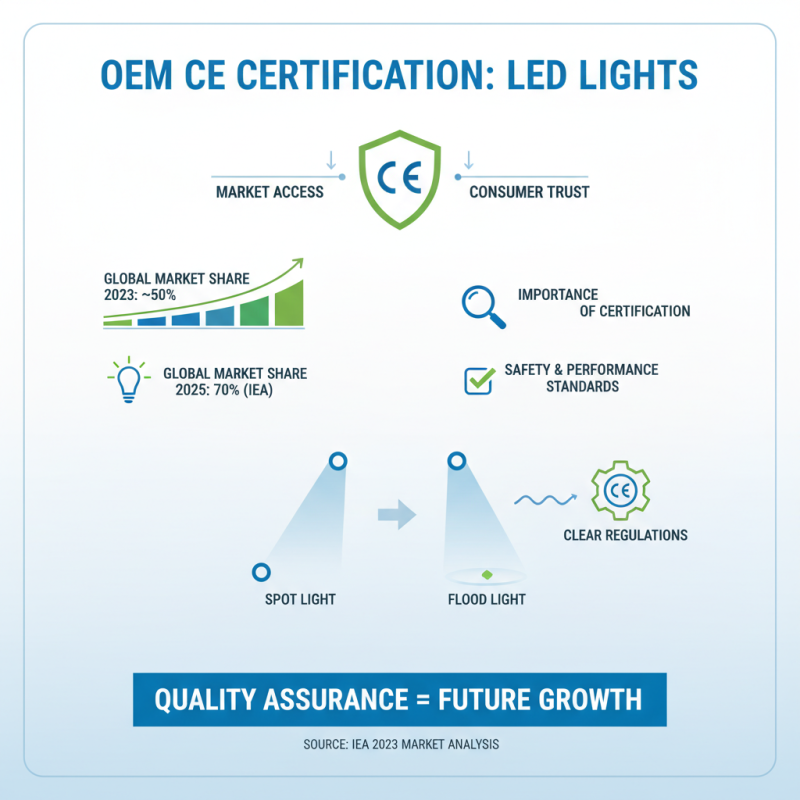
The Basics of OEM CE Certification for LED Lights
OEM CE certification is essential for LED lights, significantly impacting market access and consumer trust. It ensures that products meet safety and performance standards. The differences between spot and flood LED lights further emphasize the need for clear regulations during the certification process. According to a 2023 market analysis by the International Energy Agency, LED lighting is predicted to capture 70% of the global market by 2025. This demonstrates the growing importance of proper certification for maintaining product quality.
Spot LED lights focus illumination on a specific area, ideal for accent lighting. Flood LED lights, conversely, provide broader coverage, suitable for outdoor spaces. Despite the advantages of both types, many manufacturers overlook their product specifications during certification. A report by the Lighting Research Center highlights that 30% of non-compliant products fail due to poor documentation. This is a significant issue as compliance not only affects sales but also safety.
Understanding OEM CE certification is critical for manufacturers of Led Flood Spot Lights. Incorrect labeling or inadequate documentation can lead to costly recalls or regulatory penalties. Continuing education on these standards is often neglected but necessary for maintaining product quality in a competitive market. As the landscape evolves, manufacturers must adapt and ensure their products align with industry requirements.
Key Differences Between Spot and Flood LED Lights
When selecting LED lights, understanding the difference between spot and flood lights is crucial.
Spot lights offer a focused beam of light. They serve well for highlighting specific areas or objects. In contrast, flood lights emit a broader beam, illuminating larger spaces.
This distinction impacts where each type is most effective.
For applications needing precision, spot lights excel. They can spotlight artwork or signage.
On larger outdoor areas where visibility is key, flood lights are ideal. They provide safety and security in dark environments.
Tips for selecting the right type include analyzing your lighting needs. Consider the space and purpose.
Always check the lumens output to determine brightness. Spot Flood Light combinations can also be effective.
Adjusting the placement can further maximize light distribution. Testing different setups may reveal unforeseen limits and benefits.
Both options have advantages and imperfections. Identifying your project's priorities guides effective decision-making.
Aim for a balance between aesthetics and functionality in your choices.
Applications of Spot LED Lights in Various Industries
Spot LED lights are crucial in various industries due to their focused beam of light. This makes them ideal for applications that require precision and visibility. Manufacturing facilities often use spot LEDs for quality inspections. They highlight specific areas, ensuring that defects are easily spotted. In retail environments, these lights enhance product displays, drawing customers' attention effectively.
In the automotive sector, spot LED lights play a vital role in enhancing safety. They illuminate key areas under the hood during maintenance or repairs. This added visibility helps technicians identify problems swiftly. However, there is a challenge in ensuring that the lights are positioned correctly. Improper placement can lead to blind spots, compromising safety.
Moreover, in the entertainment industry, spot LEDs create dynamic atmospheres. They are employed in stage productions and concerts to focus on performers. Achieving the right intensity is often a trial-and-error process. The balance between creating an inviting atmosphere and maintaining clear visibility is delicate. Yet, this experimentation leads to unique and captivating presentations. Each application can reveal new lessons and insights.
Comparison of Applications: Spot vs Flood LED Lights
Applications of Flood LED Lights in Various Industries
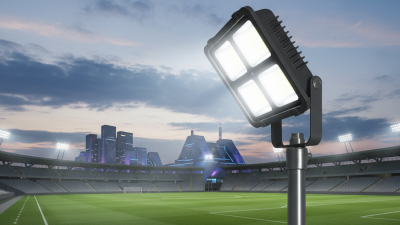
Flood LED lights are widely used across various industries due to their ability to illuminate large areas. Construction sites often rely on floodlights for safety and visibility at night. These lights provide a powerful beam that enhances the work environment, reducing accidents and improving productivity. In arenas, flood LED lights create vibrant atmospheres during sports events and concerts, engaging audiences effectively.
There are important tips for choosing the right flood LED lights. First, consider the lumen output. Higher lumens mean brighter lights. Choose a color temperature that suits your application. For outdoor use, a cooler temperature often works better. This provides clarity and reduces eye strain.
In agriculture, flood LED lights support plant growth during off-peak hours. They play a crucial role in indoor farming, extending the daylight period for crops. Understanding the unique needs of each industry can optimize lighting application for better results. Taking time to analyze your requirements will guide the selection process effectively.
Tips for Navigating OEM CE Certification for LED Products
Navigating OEM CE certification for LED products can be challenging. Understanding the difference between Spot and Flood LED lights is essential. Spot lights provide focused beams, ideal for highlighting specific areas. In contrast, Flood lights offer broad illumination, perfect for lighting larger spaces.
When pursuing CE certification, manufacturers must ensure their products meet European safety standards. This involves comprehensive testing and documentation. It's crucial to have expert guidance throughout the certification process. Many manufacturers overlook the importance of precise measurements. Any slight deviation can lead to non-compliance.
Interactions with certification bodies can be complex. Poor communication may result in delayed approvals. Choose a trusted partner who understands the certification landscape. This can save time and avoid costly mistakes. Always keep documentation organized. It reflects your commitment to quality and reliability.
OEM CE Certification Tips for Understanding the Difference Between Spot and Flood LED Lights
| Feature |
Spot LED Lights |
Flood LED Lights |
| Beam Angle |
Narrow (typically 15°-30°) |
Wide (typically 60°-120°) |
| Illumination Type |
Focused light |
Diffused light |
| Usage |
Highlighting specific areas or objects |
Illuminating larger areas |
| Applications |
Art galleries, displays, stage lighting |
Outdoor lighting, parking lots, sports fields |
| Color Temperature |
Varies (usually between 3000K-6000K) |
Varies (usually between 3000K-6500K) |
| Cost |
Typically higher per unit |
Generally lower per unit |
Best Practices for Choosing Between Spot and Flood LED Lights
When selecting between spot and flood LED lights, understanding their purposes is crucial. Spot LED lights focus on a narrow beam of light, ideal for highlighting specific areas. This makes them perfect for task-oriented lighting, like reading or spotlighting artwork.
On the other hand, flood LED lights produce a wider beam, filling larger spaces with brightness. They are perfect for outdoor settings, illuminating backyards or parking lots.
Consider the intended application carefully. Spot lights are better for accent lighting while flood lights provide general illumination. However, using them incorrectly can lead to over-brightened areas or unnecessary shadows. Evaluate the specific needs of your space before making a choice.
Always check the lumens output. Higher lumens indicate brighter light, but more isn’t always better. Too much light can create discomfort. A balance is key. Also consider the color temperature; it affects the ambiance. Warm colors are cozy, while cool colors add a modern feel.
Opt for what aligns best with your space's needs and aesthetic.
Sustainable Illumination: Exploring the Benefits and Features of ST-G005 Waterproof LED Garden Lights
In the pursuit of sustainable illumination, the ST-G005 Waterproof LED Garden Lights stand out as a robust solution, offering both functionality and durability. With options ranging from 30W to 90W, these lights provide a powerful output suitable for various outdoor settings. The input voltage flexibility of AC100V-277V makes them adaptable for installation in diverse environments, ensuring that homeowners can invest in lighting that meets their specific needs.
One of the most noteworthy features of the ST-G005 lights is their impressive lumen efficiency, delivering between 120 to 150 lumens per watt. This high luminous efficiency not only enhances visibility in garden spaces but also contributes to energy savings, aligning with eco-friendly initiatives. The die-casting aluminum body and tempered glass ensure resilience against the elements, while the IP65 rating guarantees protection from water and dust, making these lights ideal for outdoor use. The professional glare-free lens with a 120° beam angle further enhances their appeal, providing broad illumination without causing discomfort to the eyes.
Additionally, the availability of 3/5/7 pin photocell options allows for smart light management based on ambient light conditions. This thoughtful design feature enhances convenience and automation, making it easier to maintain the garden's aesthetics while optimizing energy usage. Together, these elements make the ST-G005 Waterproof LED Garden Lights an efficient and sustainable choice for illuminating outdoor spaces, fostering a more environmentally conscious lifestyle.
FAQS
: Spot lights focus on a narrow beam, while flood lights disperse light over a broader area.
Use spot lights to highlight artwork or architectural details. They enhance specifics in a space.
Flood lights provide uniform coverage, making them ideal for outdoor areas and ensuring safety in larger spaces.
Think about the area you want to illuminate. Balance between focus and coverage is essential.
It ensures products meet safety and performance standards, affecting market access and consumer trust.
Manufacturers often struggle with documentation and precise measurements, leading to compliance issues.
Keep documents organized and seek expert guidance. Good communication with certification bodies helps avoid delays.
Yes, using too many can cause harsh contrasts and discomfort in lighting.
Overlooking specs can lead to non-compliance, affecting sales and safety standards.
Continuous education on standards and adapting to changes are key for maintaining quality in a competitive market.
Conclusion
This article provides a comprehensive guide to understanding the key differences between spot and flood LED lights, essential for anyone involved in OEM CE certification. It begins with an overview of LED lighting, demystifying the basic concepts that underpin these two types of fixtures. The differences are highlighted, emphasizing how spot LED lights offer focused illumination ideal for highlighting specific areas, while flood lights provide broader coverage suited for general lighting purposes.
In addition to exploring applications across various industries, the article outlines the fundamentals of OEM CE certification for LED products, offering tips for navigating the certification process. By incorporating best practices, readers can make informed decisions about what type of lighting to choose based on their specific needs. Ultimately, this article answers the question, "What Is The Difference Between Spot And Flood LED Lights?" and equips the reader with the knowledge to successfully navigate the complexities of LED lighting and certification.