When you're thinking about how to replace a LED COB high bay light, it's pretty important to get a good grip on what’s involved. These high bay lights are a staple in many industrial and commercial spaces—without them, things can quickly get dark and inefficient. Over time, their performance tends to dip, so knowing the right way to swap them out is actually pretty crucial. And hey, picking a quality OEM is key—don’t just go for the cheapest option.
Spot Light Cob is a pretty popular pick among manufacturers because of its top-notch performance and energy savings. But don’t forget, making sure they’ve got the right certifications is super important. For example, OEMs should have CE certification—that’s your guarantee for safety and compliance. Honestly, navigating all that certification stuff can be a bit of a headache, and I’ve seen a lot of companies get stuck not knowing where to begin.
It’s always a good idea to listen to industry pros and pick up some tips from those who’ve been through it. Learning from their experiences can save you a lot of headaches. On the flip side, trying to replace the lights without the right knowledge can sometimes cause mishaps. Choosing the correct replacement and ensuring proper certification can really boost both safety and performance, so don’t overlook those details.
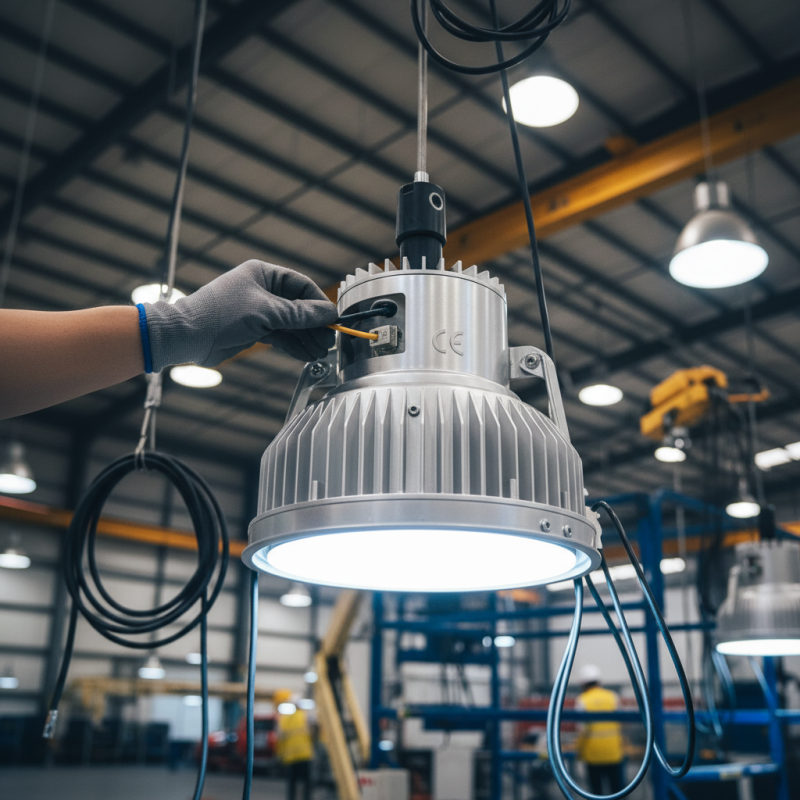
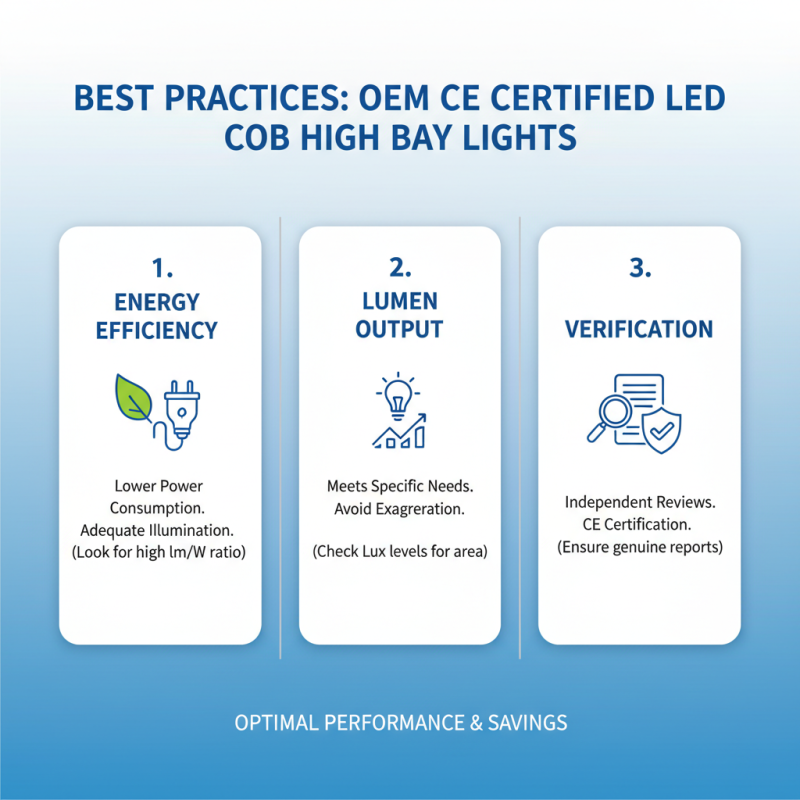
Best Practices for Selecting OEM CE Certified LED COB High Bay Lights
When selecting OEM CE certified LED COB high bay lights, consider essential factors for optimal performance. Look for energy efficiency ratings, as these lights must consume less power while providing adequate illumination. Examine the lumen output, ensuring it meets your specific lighting needs. Sometimes, manufacturers may exaggerate performance claims. Verification through independent reviews is crucial.
Quality is key. Inspect the materials used in construction. High-quality components will ensure durability and long lifespan. LED lights can differ significantly in build quality, and cheaper options often compromise this aspect. Ensure the certification markings are legitimate. Authentic CE certification signifies adherence to safety and environmental standards. Check the manufacturer's reputation. A well-established company tends to have better practices.
Do not overlook warranty and after-sales support. A solid warranty indicates confidence in the product. It can be frustrating when lights fail prematurely, leaving users in the dark. Seek out products that provide proper installation guidelines. Poor installation can lead to malfunctions and safety hazards. Taking time to research and asking questions is never a waste. It can lead to better purchasing decisions and ensure reliable lighting solutions.
Understanding LED COB Technology: Benefits for High Bay Lighting
High bay lighting is essential in large spaces like warehouses. Understanding LED COB (Chip on Board) technology can enhance your lighting setup. COB technology uses a cluster of LED chips mounted closely together. This creates a more uniform light distribution, minimizing shadows and gaps. As a result, it improves visibility and safety in work environments.
The advantages of using LED COB lights are significant. They are energy-efficient, reducing electricity costs while providing powerful illumination. Moreover, they have a longer lifespan than traditional lights. This means fewer replacements and less waste. However, one should consider factors like heat management and color rendering. Improperly managed heat can reduce performance and longevity.
Incorporating Spot Cob Light into your high bay fixtures can optimize results further. This type of lighting delivers focused beams, ideal for specific tasks or areas. It supports better visibility and reduces eye strain. Yet, balancing intensity and coverage is vital. Overly bright spots can create discomfort. Experimenting with different placements and adjustments is necessary to achieve the best outcome.
Key CE Certification Criteria for LED COB High Bay Lights
When replacing LED COB high bay lights, understanding key CE certification criteria is critical. CE certification ensures compliance with European safety, health, and environmental protection standards. It signifies that products meet specific performance benchmarks. Manufacturers must demonstrate that their LED lights are safe for use and meet electromagnetic compatibility standards.
One major criterion involves rigorous testing for electrical safety. This includes assessing the risk of electric shock or fire hazards. The product must pass tests that examine insulation and temperature management. Another key factor is luminous efficiency. High bay lights should provide adequate illumination while minimizing energy consumption. Some lights may not achieve these standards, leading to inefficient energy use.
Design flaws can lead to non-compliance with CE standards. For instance, poor thermal management can result in overheating, affecting longevity. It's vital for manufacturers to have a thorough understanding of these criteria. Constant monitoring and updating are necessary as technology evolves. Balancing compliance and innovative design can be challenging yet rewarding.
Importance of Luminous Efficacy in High Bay Lighting Solutions
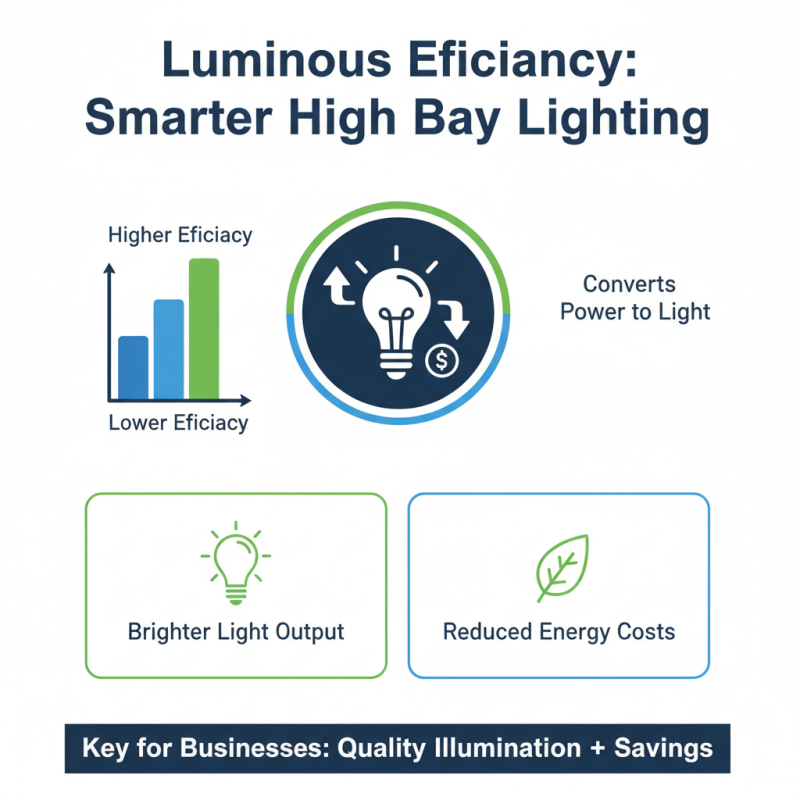
Luminous efficacy plays a critical role in high bay lighting solutions. It measures how effectively a light source converts electrical power into visible light. Higher luminous efficacy means brighter light with lower energy consumption. This is vital for businesses looking to reduce energy costs without sacrificing illumination quality.
Choosing LED high bay lights with high luminous efficacy can lead to significant energy savings. These lights not only provide brighter spaces but also enhance productivity in areas like warehouses and factories. Effective lighting can improve visibility, reducing errors and improving safety. However, achieving the right balance is essential. Overly bright lights can cause glare, making it difficult for workers to focus.
It's worth noting that not all LED high bay lights perform the same. Some may seem efficient but have hidden flaws. Factors like lifespan and color temperature also matter. When replacing existing lights, consider all aspects. Opting for high-quality, reliable products can guarantee performance and energy savings. Always verify specifications and consult experts when needed. This approach can lead to more informed decisions and ultimately, a more effective lighting solution.
Evaluating Energy Efficiency Standards for LED COB Fixtures
When considering LED COB fixtures, evaluating energy efficiency is crucial. The choice of a high bay light can significantly affect energy consumption. Efficient lighting reduces electricity costs and lowers environmental impact. Look for fixtures with high lumens per watt. This metric indicates better light output for less energy.
Integrating energy-saving technologies is essential. The latest LED COB fixtures often include smart controls. These might adjust brightness based on occupancy or natural light levels. High Bay Dimmable Led Lights enhance flexibility in various settings. Standardizing your lighting approach can lead to significant savings.
Making informed choices requires keeping up with industry trends. Not all LED lights meet the latest energy efficiency standards. It's important to check certifications before purchasing. Research the performance ratings of each option. Lower quality lights may fail to deliver expected results. This can lead to unexpected costs down the line. Understanding these standards creates a more reliable lighting environment.
Best OEM CE Certification Tips for Replacing LED COB High Bay Lights
| Feature |
Description |
Standard |
Efficiency Rating |
Lifespan (hours) |
| Lumen Output |
Brightness produced by the fixture |
IES LM-79 |
110-130 lm/W |
50,000+ |
| Color Temperature |
Temperature of light output (warm to cool) |
CCT Measurement |
3000K - 6000K |
N/A |
| Input Voltage |
Voltage range for standard operation |
IEC 60598 |
100-277V |
N/A |
| IP Rating |
Protection level against solids and liquids |
IEC 60529 |
IP65 |
N/A |
| Dimming Capability |
Ability to adjust brightness |
DALI/0-10V |
Available/Not Available |
N/A |
Common Mistakes to Avoid During LED COB Replacement Projects
Replacing LED COB high bay lights can be a straightforward process, yet many encounter pitfalls. One common mistake is improper measurement of the existing fixtures. Accurate measurements ensure that the new Industrial High Bay Led Lights fit well. Failing to assess the ceiling height can lead to lights that are either too low or too high. This affects brightness and overall efficiency.
Another issue arises during the installation phase. Many overlook the importance of using the correct tools. The wrong tool can cause damage or result in a subpar installation. It's crucial to have a reliable toolkit and proper equipment. Additionally, neglecting to follow the manufacturer's guidelines can lead to performance issues. Always double-check specifications before proceeding.
Many assume that a DIY approach is always cost-effective. This can be a misconception. Hiring professionals may seem expensive, but their experience often saves time and minimizes errors. Relying solely on personal expertise can result in unforeseen complications. Mistakes might lead to additional expenses for replacement or repairs.
How to Validate OEM Manufacturer's CE Certification in Lighting
When evaluating an OEM manufacturer’s CE certification in lighting, a thorough understanding of the certification process is essential. CE marking indicates compliance with European Union standards. The certification process includes rigorous testing for safety, performance, and environmental impact. According to a recent report by the European Lighting Industry, around 80% of substandard lighting products fail to meet these regulations. This showcases the importance of confirming valid certifications.
Verifying the manufacturer’s CE certification involves checking the Declaration of Conformity. This document outlines compliance with EU directives. It should be accessible and clear. Many manufacturers may provide false or expired certifications, leading to unsafe products in the market. A 2022 survey highlighted that nearly 30% of lighting products lacking genuine CE marking posed significant risks to users. Engaging third-party testing organizations can validate claims made by manufacturers.
Additionally, reviewing the test reports associated with the CE certification is crucial. Ensure these reports come from acknowledged laboratories. Some manufacturers might possess certifications but fail to follow proper manufacturing processes, resulting in non-compliance. An industry analysis found that about 15% of manufacturers do not adhere to documented testing methods post-certification. This reality underlines the need for vigilance during the sourcing process.
Efficient and Stylish: Top IP65 LED Garden Lights in 50W to 150W for Your Outdoor Spaces
When it comes to enhancing your outdoor spaces, investing in high-quality LED garden lights can make a significant difference. The latest models available in the 50W to 150W range not only boast impressive wattage but also deliver outstanding lumen efficiency, ranging from 120 to 150 lumens per watt. This ensures that your garden or patio is illuminated with vibrant, energy-efficient light while keeping electricity costs down.
Constructed from durable die-casting aluminum and tempered glass, these lights are designed to withstand various weather conditions, offering an impressive IP65 rating for moisture resistance. Features such as a professionally designed glare-free lens and a broad 120° beam angle provide optimal lighting coverage without harsh brightness. Additionally, they come equipped with photocell options, which allow for automatic dusk-to-dawn operation, ensuring they turn on and off based on natural light levels, simplifying outdoor lighting management.
Moreover, these LED garden lights are incredibly low-maintenance, thanks to their robust design that minimizes the need for repairs. With anti-shock properties and a stable performance free from glare and strobe effects, they create a pleasant ambiance in outdoor areas. The combination of stylish aesthetics and efficiency in every aspect makes them an excellent choice for anyone looking to elevate their outdoor environment.
FAQS
: CE certification ensures compliance with European safety and environmental standards for LED COB high bay lights.
Luminous efficacy measures how well a light converts electrical power into visible light, affecting energy consumption and brightness.
Higher luminous efficacy leads to energy savings and enhanced productivity in workplaces by providing better visibility and safety.
They must focus on electrical safety, thermal management, and constant monitoring of evolving technology to ensure standards are met.
Check the Declaration of Conformity, and ensure it clearly outlines compliance with EU directives and is not expired.
Substandard lighting can pose electric shock hazards or lead to inefficient energy use, impacting safety and operating costs.
Review reports from recognized laboratories and verify manufacturers follow proper testing methods consistently after certification.
Inadequate thermal management and poor design can lead to overheating and non-compliance with safety standards.
Factors such as lifespan and color temperature can affect performance; not all products are equally reliable despite high efficacy claims.
Opt for high-quality products, verify specifications, and consult experts to make informed decisions on lighting solutions.
Conclusion
When considering how to replace LED COB high bay lights, it's essential to follow best practices that ensure quality and compliance. First, selecting OEM CE certified fixtures is crucial, as it guarantees adherence to safety and performance standards. Understanding the benefits of LED COB technology, such as improved luminous efficacy and energy efficiency, can significantly enhance your high bay lighting solutions.
Key CE certification criteria, including necessary testing and compliance with energy efficiency standards, should guide your choices. Additionally, being aware of common mistakes, like overlooking the importance of validating the manufacturer's CE certification, can prevent costly errors during replacement projects. By following these guidelines, you can effectively navigate the process of how to replace LED COB high bay lights and achieve optimal results.