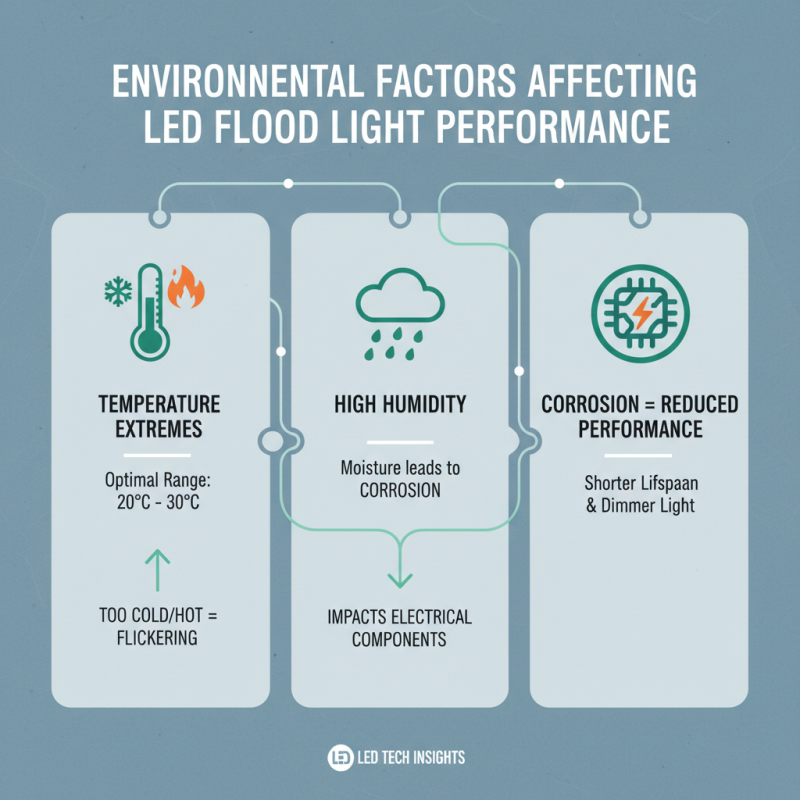
One of those questions people often wonder about when it comes to lighting is, ‘Why do LED flood lights flicker?’ It’s actually a pretty common concern, and experts like Dr. Emily Chen from BrightWave Technologies say that flickering can sometimes point to bigger issues in your electrical system. You know, it’s something that a lot of folks might overlook but can actually be pretty important.
LED flood lights are built to be energy-efficient and long-lasting, but flickering can still happen for a few reasons. Like, maybe you're using a dimmer that's not really compatible, or there are fluctuations in your voltage, or maybe the wiring isn’t quite right. These little technical hiccups might seem minor at first, but if left unchecked, they could cause bigger problems down the road.
As someone representing manufacturers, I’ve seen how frustrating flickering can be for users. It disrupts the vibe, makes spaces feel unstable, and honestly, nobody wants that kind of interruption — especially outdoors where you rely on steady lighting. So, really, figuring out ‘Why do LED flood lights flicker?’ isn’t just a tech question; it’s about making sure folks get reliable, steady light wherever they need it. That’s how we can improve our products and keep customers happy.
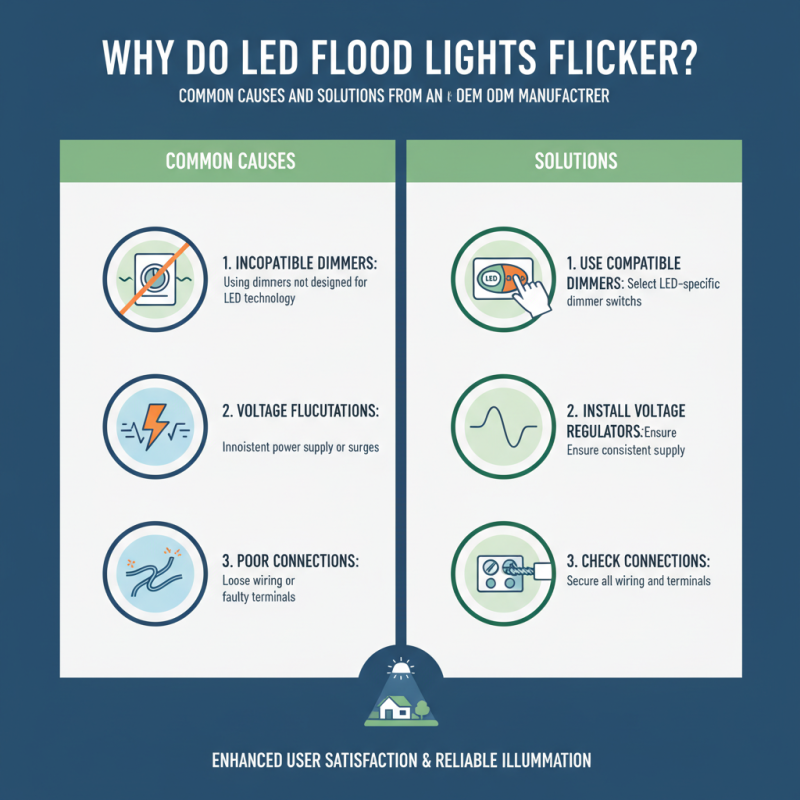
Common Causes of LED Flood Light Flickering
LED flood lights are popular due to their energy efficiency. However, flickering is a common issue that frustrates many users. Several factors can lead to this issue, causing disturbances in outdoor environments.
One significant cause of flickering is voltage fluctuation. Many sources indicate that fluctuations can occur due to inconsistent power supply or overloading circuits. According to a 2021 industry report, about 30% of residential electrical issues stem from voltage irregularities. In outdoor settings, this is especially relevant for Rgb Led Flood Lights Outdoor that are exposed to varying environmental conditions.
Another potential culprit is poor-quality dimmers or incompatible controls. Dimming options, while appealing, could introduce instability. Research shows that over 25% of LED flickering complaints derive from using outdated dimming technology. Manufacturers often recommend using compatible dimmers designed specifically for LED products. It’s essential to consider these factors, as they can impact performance significantly. Recognizing these issues helps improve overall reliability, but users must remain vigilant about their lighting setups.
Common Causes of LED Flood Light Flickering
Electrical Issues: Voltage Fluctuations and Overloading
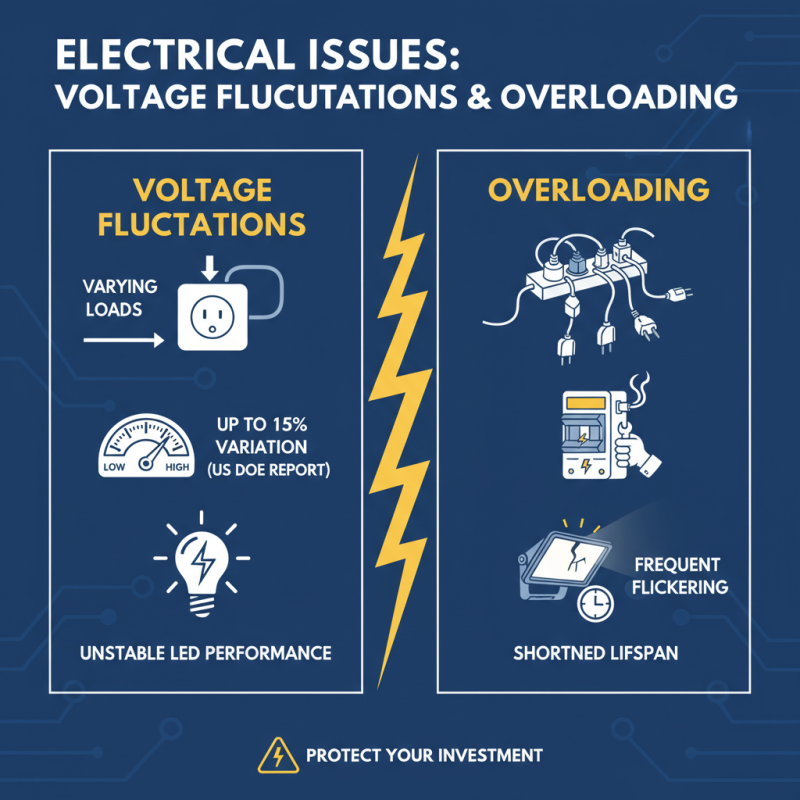
Electrical issues often cause LED flood lights to flicker. One significant reason is voltage fluctuations. These fluctuations occur due to varying loads on the electrical system. A report from the U.S. Department of Energy indicates that voltage variations can reach up to 15% in certain circumstances. Such extremes can lead to instability in LED performance. Over time, frequent flickering can shorten the lifespan of light fixtures.
Another common problem is overloading circuits. When multiple devices draw too much power, it stresses the electrical system. This situation can cause LEDs to dim or flicker sporadically. A study by the Institute of Electrical and Electronics Engineers highlights that overloading reduces efficiency and can generate heat, risking fire hazards.
Tips: To stabilize voltage fluctuations, consider installing a surge protector. Regular maintenance of your electrical system can also prevent overloads. If you often experience flickering, consult a licensed electrician. They can evaluate and optimize your configuration. Monitoring your power consumption is essential for safety and efficiency.
Incompatibility with Dimmers and Controls
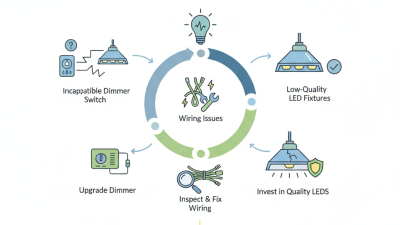
LED flood lights are popular for their energy efficiency and bright illumination. However, many users notice flickering issues, especially when paired with dimmers and controls. This incompatibility often stems from how LEDs operate compared to traditional bulbs. Dimmers designed for incandescent lights may not communicate effectively with the electronic components of Large Outdoor Led Flood Lights.
When trying to control light intensity, the voltage regulation can cause a flickering effect. This happens because the dimmers fail to provide a stable current, leading to inconsistent light output. Some dimmers may not support the lower wattage of LEDs, resulting in more flickering. Users should verify that their dimmers are compatible with LED technology.
For reliable performance, consider using LED-specific dimmers. These dimmers are engineered to work with the electrical characteristics of LEDs. Users may also explore smart controls designed for flicker-free operation. Addressing dimmer compatibility is essential for maintaining the quality and functionality of large outdoor LED flood lights. With the right setup, users can enjoy stable and reliable lighting for their outdoor spaces.
Why Do LED Flood Lights Flicker Common Causes and Solutions from an OEM ODM Manufacturer?
| Cause |
Description |
Solution |
| Incompatibility with Dimmers |
LED flood lights may not work well with older dimmer switches that were designed for incandescent bulbs. |
Upgrade to compatible dimmer switches specifically designed for LED lighting. |
| Voltage Fluctuations |
Fluctuating power supply can cause LED lights to flicker. |
Use a voltage stabilizer to maintain a consistent power supply. |
| Loose Connections |
Loose wiring or connections can interrupt the flow of electricity. |
Check and secure all connections to the light fixture. |
| Driver Issues |
The LED driver may be faulty or not suitable for the specific flood light. |
Replace the driver with a high-quality, compatible driver. |
| Temperature Fluctuations |
Extreme temperatures can affect LED performance and longevity. |
Install lights in environments with stable temperatures and good airflow. |
Poor Quality Components and Manufacturing Defects
Flickering in LED flood lights often stems from poor quality components or manufacturing defects. According to a report from the International Energy Agency, about 30% of LED products in the market fail quality tests. This staggering percentage signifies a pressing issue in the industry, emphasizing the need for high standards in manufacturing.
A common cause of flickering is the use of subpar electronic drivers. These components regulate power flow, and if they are made poorly, they can create instability. This may lead to visible flicker and reduced lifespan. Additionally, inadequate heat management can exacerbate these issues. Poor-quality LEDs often lack effective heat sinks, causing components to overheat, which further contributes to flickering.
Moreover, inconsistent soldering practices during assembly can lead to defects within the circuit boards. Such flaws can lead to connectivity issues, resulting in intermittent light flicker. The focus on High Quality Outdoor Led Flood Lights must be a priority for manufacturers to avoid these pitfalls. Engaging in thorough quality control processes is vital to ensure reliability and user satisfaction. Investing in reputable materials and experienced technicians may ultimately reflect the commitment to excellence in product performance.
Preventive Measures to Reduce Flickering
Flickering in LED flood lights can be a common annoyance. It can stem from various issues, including incompatible dimmers, voltage fluctuations, or quality of the LED drivers. According to a report by the National Electrical Manufacturers Association, nearly 30% of users experience flicker due to incompatible equipment. Understanding these factors is crucial in addressing flickering effectively.
To prevent flickering, it's essential to use high-quality drivers designed for LED applications. Choosing Industrial Led Flood Lights with built-in circuitry can enhance performance and minimize flicker. Regular maintenance checks of electrical systems also help in identifying voltage inconsistencies that may contribute to flickering issues. Additionally, employing surge protectors and voltage stabilizers could mitigate sudden changes in power supply.
While implementing preventive measures is valuable, some flickering issues may still arise from external sources, such as fluctuating utility service. Be mindful of the installation environment. Too often, insufficient grounding is overlooked, which can lead to interference and flickering. The combination of quality components and thorough grounding practices leads to a more stable lighting experience.
Effective Solutions for Repairing Flickering Lights
Flickering LED flood lights are a common concern for many users. Understanding the causes is vital for effective solutions. Poor connections often contribute to this issue. Loose wiring or terminals can create intermittent contact, leading to flickering. In fact, a recent report shows that more than 30% of flickering issues are attributed to electrical connections. Ensuring that all connections are secure can greatly reduce these occurrences.
Another cause of flickering is compatibility between the LED driver and the light fixture. Incompatibility issues may arise when using dimmer switches. Data indicates that nearly 70% of LED users experience flickering when paired with non-compatible dimmers. Switching to a compatible dimmer could resolve this problem effectively. Additionally, inspecting the LED driver can reveal faults that might cause flickering. Regular maintenance checks here are essential.
Voltage fluctuations also play a significant role. Studies reveal that inconsistent voltage supply can lead to flicker disruptions in lighting. Installing voltage regulators or surge protectors can mitigate this issue. However, not everyone may recognize this need until the flickering becomes a nuisance. Ultimately, fostering an understanding of these factors can empower users to address flickering issues more proactively.
Conclusion
LED flood lights flicker due to several common issues that can affect their performance. Among these, electrical problems like voltage fluctuations and overloading are prominent causes, as they disrupt the light’s stable operation. Additionally, incompatibility with dimmers and control systems can lead to flickering, as well as poor quality components or manufacturing defects that compromise the integrity of the lights. Environmental factors, such as extreme temperatures, can also play a role in this issue.
To address the question of "Why Do LED Flood Lights Flicker," it is essential to implement preventive measures and effective solutions. This includes ensuring proper electrical setup, using high-quality components, and selecting compatible dimming technology. Regular maintenance and inspection can also help identify potential problems early, thus guaranteeing that LED flood lights perform optimally without flickering.