The solar lighting industry is really catching on these days, especially as more folks are looking for sustainable energy solutions. With the 2026 Canton Fair just around the corner, it’s pretty important to get a handle on things like ‘How To Fix Solar Lights.’ Experts such as John Mitchell from Solar Solutions point out that regular maintenance can do wonders, actually extending how long these lights last. Interestingly, industry data shows that about 30% of solar lighting systems tend to fail because of improper care — definitely something to keep in mind.
As exhibitors gear up for the event, showing off innovative solutions efficiently is more important than ever. Adding smart AI capabilities can also help identify companies that are really into solar products, making it easier to connect with the right people. If you can showcase products that solve common issues—like lights getting dim or batteries acting up—you’ll really stand out and grab buyer attention. Talking about repair tips isn’t just a checklist; it’s actually a chance to engage your audience and highlight both the opportunities and challenges in this sector.
Absolutely, educating people about repairs is crucial. It’s pretty common for folks to throw out their solar lights prematurely simply because they don’t know how to fix them. A laid-back, engaging presentation can raise awareness around simple fixes and show that caring for these lights isn’t so complicated — plus, it’s good for sustainability and making things last longer. Getting these conversations going about ‘How To Fix Solar Lights’ will definitely improve the experience for visitors at the fair, making it more informative and kind of fun too.
Many users experience issues with solar lights. Understanding these problems is key. Common issues include dim lighting, short battery life, and malfunctioning sensors. According to industry reports, about 30% of solar lights fail within the first two years due to these factors.
One major issue is the battery. If your lights dim quickly, the battery might be defective. Ensure it is the right type and well-maintained. Changing the battery can sometimes restore functionality. Tips: Regularly clean solar panels to ensure maximum sunlight absorption.
Another issue is dirt or debris on the sensor. This can lead to lights not turning on at night. A simple wipe can enhance performance. Keep sensors clear for optimal operation. Remember, exposing lights to extreme weather can also cause problems. Evaluate their placement for better durability and efficiency. Focus on creating a balanced environment for your solar lights.
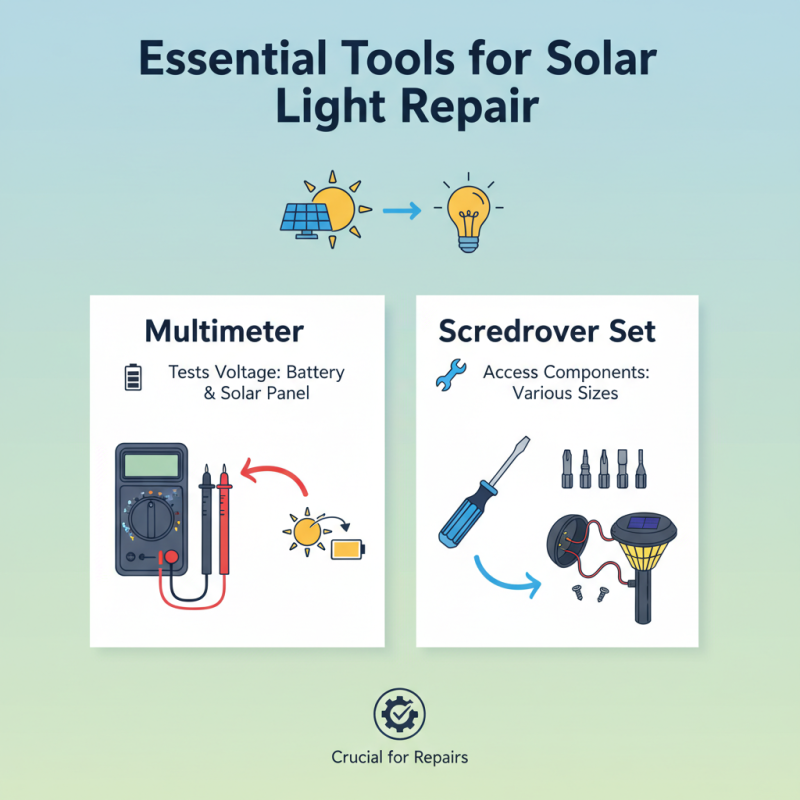
When repairing solar lights, having the right tools is crucial. Start with essential items like a multimeter. This device helps you test voltage levels. Use it to check the battery and solar panel functionality. Moreover, a screwdriver set is vital for easy access to components. Some lights require specific screw types. Make sure your kit includes various sizes.
For minor repairs, having replacement bulbs on hand can be a lifesaver. Consider LEDs; they are energy-efficient and last longer. Additionally, silicone sealant can protect your lights from water damage. It’s important to re-seal any areas where moisture might enter.
Tip: Always check connections. Loose wires can cause malfunction. If you notice flickering lights, review the placement of the solar panel. Sometimes, shadows from trees or buildings reduce efficiency. Ensure the panel is clean and facing the sun for maximum exposure.
Solar lights are great for gardens and pathways. However, they can sometimes fail to shine as brightly as we want. Troubleshooting these lights can help restore their functionality. Start by checking the solar panel. Is it dirty or blocked? Clean it gently with a soft cloth. Sunlight is crucial for charging the batteries. If the panel is shaded, consider relocating it.
Next, inspect the batteries. Over time, they may lose their ability to hold a charge. If they are corroded or old, replacing them may be necessary. Test the battery with a multimeter to check voltage. You may find that it needs replacement, yet not all batteries are easy to access. This can be frustrating.
Examine the wiring as well. Look for loose connections or damaged wires. Cut and strip the wires carefully. Then, reconnect them securely. At times, the light fixture itself could be the problem. Testing it in a different location may reveal a fault. Reflect on these steps, as troubleshooting can be a process of trial and error.
When solar lights stop working, the battery might be the culprit. Changing batteries is crucial for functionality. Start by ensuring the lights are off. Carefully remove the cover, noting any screws. This small step can make a difference. Handle the old batteries with care. If they leak, clean the compartment thoroughly.
Choose batteries that match specifications. While finding the right type can be challenging, it’s essential for performance. Alkaline batteries are common, but lithium can offer longer life. Installing the new batteries should be straightforward. Ensure the connections are secure. A wrong placement might lead to further issues.
After replacement, test the lights. Sometimes they may not light up right away. Give them time to recharge in the sunlight. If they still fail, check solar panels. Dirty panels reduce efficiency. A little maintenance can save you time and money. It’s not just about replacement; it’s about reflection on the effectiveness of your solar lights.
This bar chart represents the average battery life of solar lights from 2018 to 2023. As seen, there has been a steady improvement in battery performance, indicating advancements in solar technology and battery efficiency.
With the Canton Fair approaching in 2026, optimizing solar lights is crucial for outdoor spaces. Regular cleaning can significantly improve efficiency. Dust and grime can block sunlight. This can reduce energy absorption by up to 30%, especially in high-traffic areas. Cleaning the solar panels keeps them performing at peak levels.
Maintenance is equally important. Check the batteries regularly. Over time, solar batteries can lose efficiency. Reports indicate that replacing batteries every two to three years can enhance performance. Ensure the light fixtures are not obstructed. Overgrown plants or debris may limit light output. A clear space around solar lights is vital for maximum functionality.
Also, consider the placement of solar lights. If too shaded, they won't charge effectively. Adjusting their location can lead to a noticeable increase in brightness. Reflect on past experiences; sometimes, minor adjustments can produce significant improvements. Regular maintenance checks may seem tedious, but they yield positive results. Solar lights can brighten your yard significantly with the right care.
| Maintenance Task | Frequency | Tools Required | Tips |
|---|---|---|---|
| Clean Solar Panels | Monthly | Soft Cloth, Water, Mild Detergent | Use a soft cloth to avoid scratches. |
| Check Battery Condition | Every 3 Months | Voltage Meter | Replace batteries if voltage is low. |
| Inspect Fixtures for Damage | Every 6 Months | Visual Inspection | Look for cracks or corrosion. |
| Adjust Solar Panel Angle | Twice a Year | None | Ensure optimal sunlight exposure. |
| Test Light Functionality | Monthly | None | Replace faulty bulbs promptly. |
When evaluating solar panel performance, efficiency is key. Recent industry reports indicate that the average solar panel efficiency has risen to around 20% in 2023. However, many solar lights still use older panels, leading to less effective energy capture. This inefficiency can be problematic, especially in regions with limited sunlight.
Connection issues are another common concern. Poor wiring or loose terminals often hinder the performance of solar lights. Reports reveal that up to 25% of solar light failures are linked to faulty connections. Checking each connection regularly is crucial. If wires appear corroded or damaged, consider replacing them.
Batteries also play a vital role. Most solar lights use rechargeable batteries that degrade over time. A study found that battery performance can drop by as much as 30% after just two years. Replacing old batteries can significantly enhance the overall performance of solar lights. Regular maintenance and thoughtful evaluation are essential to ensure longevity and efficiency.
As the Canton Fair approaches in 2026, it's crucial to prepare your solar lights effectively. Cleaning is essential. Dust and dirt can reduce brightness. Use a soft cloth to wipe the panels. Ensure there are no obstructions blocking sunlight. Many people overlook this step, which could improve performance significantly.
Another point to consider is battery health. Check if the batteries are still functioning. Sometimes, old batteries fail to hold a charge. Replacing them early can save you frustration later. Testing your lights before the fair will help you identify any issues. If they flicker or dim unexpectedly, this signals a problem.
Lastly, think about the positioning. Are your lights placed in optimal locations? Move them to areas with maximum sun exposure. This adjustment can make a huge difference. Some individuals might forget to evaluate this. Each detail counts when you want to make a good impression.
: A multimeter is key for testing voltage levels. A screwdriver set helps access components easily.
It helps check the battery and solar panel functionality. Understanding voltage levels is crucial for repairs.
Use silicone sealant to re-seal areas where moisture might enter. This protects your lights from potential harm.
Check the connections first. Loose wires can cause malfunction. Ensure everything is secure to maintain functionality.
Regular cleaning removes dust and grime. This can improve energy absorption and overall efficiency by up to 30%.
Every two to three years is recommended. This can significantly enhance the performance of your solar lights.
Ensure lights are not too shaded. Adjusting their location can lead to brighter output.
They can obstruct light output. Keep a clear space around your lights for maximum brightness.
Yes, they can lead to noticeable improvements. Reflect on past experiences and make changes as needed.
Absolutely, it may seem tedious but yields positive results in brightness. Consistent care can transform your yard.
In the article "How To Fix Solar Lights Before 2026 Canton Fair Insights," readers will gain a comprehensive understanding of common issues that affect solar lights, such as poor performance or malfunctioning components. The essential tools required for repair are outlined, along with a step-by-step guide to troubleshooting, enabling users to identify and resolve problems effectively.
Additionally, the article emphasizes the importance of replacing solar light batteries, cleaning, and performing regular maintenance to ensure optimal functionality. It also covers how to evaluate solar panel performance and connections, which are crucial for effective solar lighting. Lastly, it provides tips on preparing solar lights for the upcoming Canton Fair in 2026, ensuring they are in top condition for display and use. Overall, this guide serves as a valuable resource for anyone seeking to learn "How To Fix Solar Lights.