A lot of homeowners are pretty curious about how well solar lights actually work. I mean, they often ask, “Do solar lights still work in the shade?” Since solar lights depend on sunlight to charge up, their performance can definitely take a hit when they’re in shady spots. It’s really helpful to understand how these lights operate so you can set them up in a way that works best for your outdoor space.
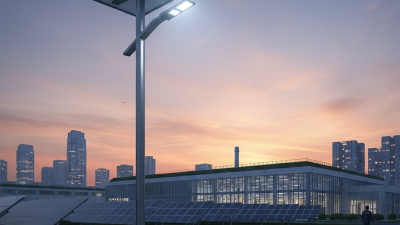
Take solar street lights, for example — they’re really convenient and eco-friendly. But, here’s the thing: their effectiveness really depends on how much sunlight they get. If you’ve got shaded areas, those lights might not get enough energy stored during the day, which could mean they’re not as bright as you’d hope. Usually, a few hours of direct sunlight can make a big difference in how well they perform.
It’s also good to keep in mind that solar tech isn’t perfect. They can still work in the shade, but generally, the output won’t be as great as in full sun. If you’re considering solar lighting for your yard, it’s worth taking a moment to look at your space, think about possible obstructions, and plan placement accordingly. That way, you’re more likely to get the most out of your solar lights and avoid any surprises down the line.
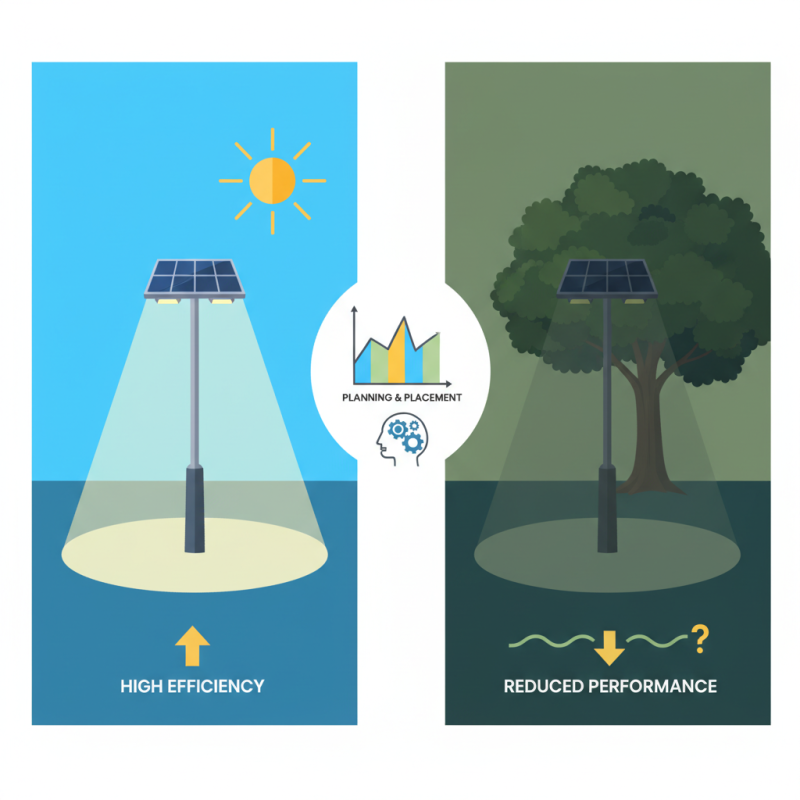
Do Solar Lights Function Effectively in Shaded Areas?
When it comes to solar lights, their performance in shaded areas is a significant concern for many homeowners. Solar lights rely on sunlight to charge their batteries. A study by the U.S. Department of Energy highlights that solar efficiency drops considerably in low-light conditions. In shaded environments, solar lights may receive reduced energy, leading to diminished brightness.
It’s estimated that solar lights can lose up to 80% of their functionality when they are not directly exposed to sunlight. This can result in shorter operational times during the night. For instance, a typical solar light charged in full sunshine may last up to 12 hours. In contrast, a light placed in the shade might last only 4 to 6 hours. The variation depends on the type of solar panel used and its ability to capture diffused sunlight.
Consumers often find themselves disappointed with solar products placed in shaded locations. Even the best solar technologies may struggle in these conditions. A common issue is inconsistent performance. Given these drawbacks, careful consideration should be taken when choosing placement for solar lights. Understanding these factors can aid in better decision-making for effective outdoor illumination.
Understanding Solar Panel Technology and Sunlight Absorption
Understanding solar panel technology is crucial to grasp the effectiveness of solar lights in shaded areas. Solar panels consist of photovoltaic cells that convert sunlight into electricity. These cells require direct exposure to sunlight for optimal performance. Research indicates that even partial shade can reduce energy output by up to 50%. When trees or buildings obstruct sunlight, solar panels may struggle to generate adequate power.
The efficiency of solar lights, like Solar Led Hanging Lights, relies heavily on sunlight absorption. In ideal conditions, a typical solar panel can convert about 15-20% of sunlight into usable energy. However, many factors affect this conversion, such as angle, intensity, and duration of light exposure. Studies suggest that shading decreases efficiency significantly. Surprisingly, some users find local conditions impact their solar lights more than expected.
Many users often overlook the importance of placement. Positioning solar lights correctly can make a significant difference. Regularly assessing your setup can ensure you maximize light output. Given the complexities of solar technology, some trial and error is often necessary. Not all shaded areas can sustain effective solar lighting. Frequent adjustments and monitoring may be required to achieve desired results.
How Shade Affects Solar Light Performance and Efficiency
Shade can significantly affect the performance of solar lights. Solar lights rely on sunlight to charge their batteries. When placed in shaded areas, these lights receive less sunlight. As a result, their efficiency and overall performance decline. The quality of the solar panel plays a vital role here. High-quality panels may capture some indirect light, while others can struggle.
Using Solar Fence Lights? Their placement is crucial. If they are surrounded by trees or tall structures, their energy absorption drops. Users might notice dimmer lights or shorter operation times. This limitation is not a fault of the lights but an inherent challenge related to nature. Reflecting on this, one might consider whether to trim back foliage or relocate the lights.
While some may believe that solar lights work well in all settings, the truth is different. Shade creates an inherent barrier to optimal performance. Users should test their solar lights regularly. Adjusting their positions based on sunlight availability could enhance overall functionality. Understanding these dynamics allows for better integration of solar fence lights into outdoor spaces.
Types of Solar Lights Suited for Shaded Environments
When considering solar lights for shaded areas, certain types perform better than others. Solar lights rely on sunlight to recharge their batteries. In shady spots, this can be challenging. However, some designs are engineered to handle limited sunlight.
Pathway lights and garden stakes often excel in partial shade. They have larger solar panels that gather more light. These lights also typically feature adjustable heads, allowing you to position them for optimal sunlight exposure. Solar spotlights can also work well. They often combine a motion sensor and a stronger battery, providing illumination even with less direct sun.
There are drawbacks to these options. They might not be as bright as conventional lights. The lighting duration can vary, especially if the shading is significant. Environmental factors may also impact performance. If the panel is dirty or covered in debris, light absorption is reduced. Evaluating your space will help identify the best choice. Understanding these nuances can lead to a more informed decision.
Effectiveness of Solar Lights in Shaded Areas
This chart illustrates the effectiveness of solar lights based on different lighting conditions. Solar lights perform optimally in direct sunlight, producing around 800 lumens, while in partial shade their output drops to 400 lumens, and dramatically lowers to 100 lumens in full shade.
Key Factors Influencing Solar Light Output in Low Sunlight
Understanding how solar lights function in shaded areas is essential for effective outdoor lighting. Solar lights rely on sunlight to charge their batteries. In shaded conditions, this efficiency decreases significantly. Factors such as tree cover, building shadows, and overcast skies directly impact output.
Outdoor Solar Lamp Post Lights are particularly affected by reduced sunlight. These lights often become less reliable in shaded locations. Users may find themselves disappointed when the light output diminishes during unexpected conditions. It's a common misconception that solar lights will work equally well in all environments. The angle and duration of sunlight exposure play crucial roles in their performance.
Installing these lights in well-lit areas maximizes their efficiency. However, it's vital to recognize that not all spots receive adequate sunlight. Frequent adjustments and monitoring may be needed. Understanding these nuances ensures better use and satisfaction. It's an ongoing learning process to find the best placements for solar lights, especially in gardens or yards with prominent shading.
Best Practices for Using Solar Lights in Partially Shaded Areas
When using solar lights in partially shaded areas, understanding their effectiveness is key. Solar panels require direct sunlight to generate optimal energy. A study by the Solar Energy Industries Association found that shaded solar lights can lose up to 60% of their efficiency. This means you might notice dimmer lights in areas with limited sun exposure.
To maximize light output, position solar fixtures where they can receive at least four hours of direct sunlight daily. Moving plants or adjusting the placement of lights can improve performance. Additionally, consider using solar lights with higher wattage, as they typically generate more energy.
According to the National Renewable Energy Laboratory, certain designs allow for better performance even in reduced light conditions.
Not all solar lights are created equal. Research shows that LED solar lights can outperform traditional options in shade, often lasting longer and providing brighter illumination. However, it’s crucial to regularly clean the solar panels to maintain energy absorption. Dust and debris can diminish efficiency, further complicating performance in shaded spots. Regular maintenance is necessary to ensure optimal lighting in these less-than-perfect conditions.
Alternatives to Solar Lighting for Shady Locations
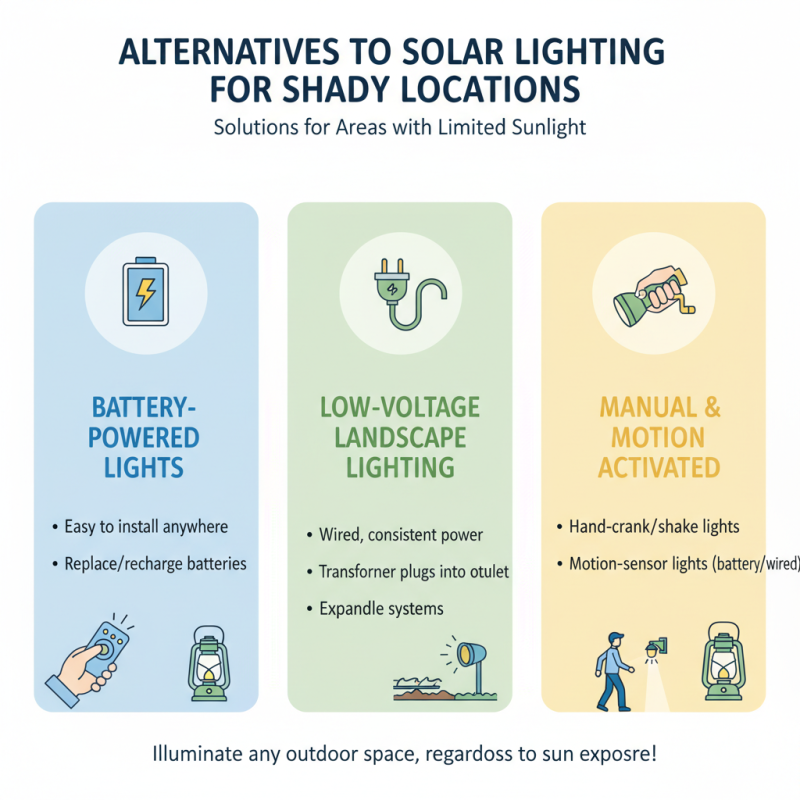
When considering solar lighting for shady locations, traditional solar lights often struggle. They rely on sunlight to charge, making sunlit areas ideal. However, shaded areas can still benefit from alternatives.
One option is LED lights powered by electricity. They provide consistent illumination regardless of sunlight. This choice is perfect for gardens or patios that lack direct sunlight. Another great choice is battery-operated lights. They can be conveniently placed anywhere and recharge easily in the shade.
Tips: Look for lights with motion sensors to save energy. Consider using string lights for ambiance. While Metal Solar Garden Lights are popular, remember they may not shine brightly in shaded areas. Always explore versatile solutions to brighten up your space effectively.
Maximizing Energy Efficiency: A Comprehensive Review of 50W-300W LED Street Lights and Their Impact on Urban Illumination
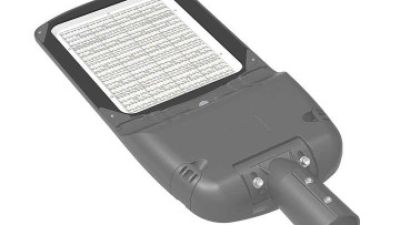
The advancement in LED street lighting technology has significantly contributed to urban illumination, making environments safer and more energy-efficient. Focusing on the 50W-300W LED street lights, these products illustrate a remarkable leap in luminous efficiency, with output ranging from 140 to 180 lumens per watt. This efficiency is ideal for cities aiming to reduce energy consumption while enhancing visibility. By using innovative flat honeycomb designs crafted from die-casting aluminum, these lights facilitate exceptional heat dissipation, thereby prolonging the lifespan and reducing maintenance costs.
Additionally, the versatility of these LED street lights is noteworthy. They come equipped with various professional glare-free lens configurations—60°, 90°, 120°, T2, T3, and T4—addressing diverse lighting needs in urban settings. Features such as 0-10V dimming, light sensors, and IoT control integration allow for advanced lighting management and adaptability to changing environmental conditions. With an adjustable mounting shaft angle providing precise installation options, these lights ensure optimal lighting direction, further enhancing efficiency and operational effectiveness. The IP65 rating signifies durability against dust and water, making them a reliable choice for city planners focused on sustainable and long-lasting solutions.
FAQS
: Solar panels use photovoltaic cells to convert sunlight into electricity. They need direct sunlight for optimal performance.
Shade can reduce energy output by up to 50%. Even partial shading significantly decreases efficiency.
Position solar lights where they can receive at least four hours of direct sunlight daily for optimal light output.
Yes, pathway lights and garden stakes often perform better in partial shade. They have larger solar panels for increased light absorption.
Move plants or adjust the lights' placement. Using higher wattage solar lights can also enhance energy generation.
Regularly cleaning solar panels helps maintain efficiency. Dust or debris can block sunlight and reduce energy absorption.
Yes, these lights may not be as bright as conventional lights, and their lighting duration can vary due to shading.
Absolutely. Many users find local conditions impact their solar lights more than they initially expected after installation.
Shaded solar lights can lose up to 60% of their efficiency, often resulting in dimmer lighting.
No, not all solar lights are created equal. Some designs can outperform traditional options in shaded conditions.
Conclusion
The question "Do Solar Lights Work In The Shade" is a crucial consideration for those looking to illuminate areas with limited sunlight. Solar lights rely on solar panel technology, which absorbs sunlight to generate energy. However, shade significantly impacts their performance and efficiency. When solar lights are placed in shaded areas, they may receive insufficient sunlight, leading to reduced power output and shorter operating times.
To maximize the effectiveness of solar lights in such environments, it is essential to select models specifically designed for low sunlight conditions. Understanding key factors that influence output, such as the angle of sunlight and the duration of shade, can also help users make informed decisions. Adopting best practices, such as regular maintenance and strategic placement, can enhance performance. In locations where solar lighting is inadequate, considering alternatives may be a viable solution for achieving desired illumination.