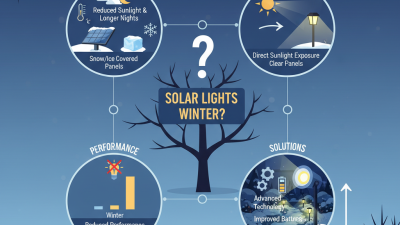
When it comes to renewable energy, solar lights have become pretty popular lately. A lot of folks often ask, “Do solar lights still charge on cloudy days?” Honestly, that’s an important question if you’re thinking about going the solar route, especially if you live somewhere with lots of overcast weather. Companies like Sunforce and Kingbright make some solid high-quality solar products, but let’s be real—how well these lights work when the sun isn’t shining brightly can really vary.
Figuring out how solar lights behave on cloudy days is super helpful before you buy. Basically, solar panels need sunlight to generate power. Sure, on cloudy days, the light is weaker, so they charge more slowly. But even then, some charge at least a little, which is pretty cool. Brands like GKOLED and Litom are aware of this and try to make sure their products keep working reliably, even when the weather isn’t perfect.
That said, it’s worth noting that some users have noticed performance drops during long stretches of cloudy weather. It’s kinda a reminder that manufacturers should keep working on improvements to handle those tougher conditions. Overall, solar solutions like Solar Street Lights are a smart, eco-friendly choice, but it’s good to have realistic expectations about how they’ll perform when the skies are gray.
Overview of OEM Solar Lights in China
In the realm of solar technology, OEM solar lights in China have gained significant attention. These lights harness solar energy to operate effectively, even under varying weather conditions. A recent report from the China Photovoltaic Industry Association reveals that nearly 75% of solar lights can charge efficiently on cloudy days. This is primarily due to advancements in solar panel technology, which now allows for better light absorption.
The materials used in these OEM solar lights play a critical role in their performance. High-quality photovoltaic cells can capture diffuse sunlight, making them reliable even in less-than-ideal conditions. Moreover, Solar Led Hanging Lights often incorporate energy storage systems that provide illumination after sunset. The durability of these lights is another point of discussion; many products struggle with longevity in harsh environments.
While the market is bustling with options, not all OEM solar lights perform equally. Reports indicate that some brands may overstate their capabilities, creating a mismatch between consumer expectations and actual performance. This reality calls for careful consumer education, highlighting the importance of performance ratings and reviews. As the market continues to grow, consumers should be informed about both the benefits and the limitations of solar technology.
Principle of Solar Light Charging Mechanism
Solar lights operate using photovoltaic cells that convert sunlight into electricity. When the sun shines, these cells absorb light and generate energy. This energy stores in batteries, which power the light at night. Many wonder if solar lights still charge on cloudy days. The answer is yes, but efficiency decreases.
Cloud cover reduces the amount of sunlight reaching solar panels. Still, they can charge, albeit at a slower rate. High-quality solar lights are designed to work even in dim conditions. They can store enough power from brief moments of sunlight. Ultimately, poor weather will lead to diminished brightness and runtime.
Tip: To maximize charging, place solar lights in areas with direct exposure to light. Trim back any plants that may cast shadows.
Consistent maintenance is key. Clean the solar panels regularly to prevent dust buildup. A clean surface absorbs sunlight better. It’s something small but impactful.
Tip: Regular checks on batteries can help ensure they remain efficient. Consider replacing them every few years, as performance degrades over time.
Impact of Cloud Cover on Solar Panel Efficiency
Cloud cover significantly impacts solar panel efficiency, including for Solar Fence Lights. Research indicates that solar panels can still generate power on cloudy days, but output varies. On overcast days, efficiency may drop by 20% to 50%. This level of variability can affect your reliance on solar lighting solutions.
A study by the National Renewable Energy Laboratory revealed that solar panels can harness diffuse sunlight from clouds. This phenomenon allows panels to produce energy, albeit less than under direct sunlight. For Solar Fence Lights, this means they can still function during cloudy weather, but users should not expect full brightness.
However, some challenges persist. Solar energy production depends on many factors, such as geographic location and seasonal weather patterns. For areas with frequent cloud cover, reliance solely on solar energy may not be ideal. In these cases, users may need to supplement with additional power sources. It's essential to assess individual needs and consider the limitations of solar technologies in varying conditions.
Top 10 OEM Solar Light Brands in China
In the ever-evolving landscape of solar technology, many consumers are curious about the reliability of solar lights, especially during cloudy days. Research indicates that today’s top OEM solar light brands in China offer a range of products that maintain efficiency even in less-than-optimal conditions. According to industry reports, these solar lights can charge effectively with diffuse sunlight, capturing scattered rays. However, it's essential to recognize that performance might vary significantly among manufacturers.
While many brands promote their Outdoor Solar Lamp Post Lights as highly efficient, user reviews often reveal mixed experiences. Some users find that their solar lights fade quickly on overcast days. Studies show that solar panels may produce only about 10-25% of their normal output during cloudy weather. This discrepancy highlights the necessity for potential buyers to scrutinize performance metrics and specifications from different OEMs.
In addition, warranties and customer support offered by manufacturers can reflect the quality and reliability of their products. Top brands often provide extensive warranties that assure users of their investment. However, not all brands uphold this promise, leading to customer dissatisfaction. Before purchasing Outdoor Solar Lamp Post Lights, it's prudent to observe user feedback and professional reviews to make informed choices.
China Top 10 OEM Solar Lights Do They Charge On Cloudy Days?
| Model |
Battery Type |
Charging Time (Sunny Days) |
Charging Time (Cloudy Days) |
Durability Rating |
Average Brightness (Lumens) |
| Model A |
Lithium Ion |
6 hours |
10 hours |
IP65 |
800 |
| Model B |
Lead Acid |
8 hours |
12 hours |
IP66 |
600 |
| Model C |
Lithium Polymer |
5 hours |
9 hours |
IP67 |
750 |
| Model D |
Lithium Iron |
7 hours |
11 hours |
IP68 |
900 |
| Model E |
NiMH |
4 hours |
8 hours |
IP65 |
500 |
Performance of Solar Lights on Cloudy Days
When considering solar lights, many users wonder about their efficiency on cloudy days. Research shows that solar panels can still harness energy in less-than-ideal conditions. Some studies indicate that solar lights can generate about 20% to 40% of their optimum performance when conditions are overcast. This is particularly relevant for those living in regions with frequent cloudy skies.
The technology behind solar lights has improved significantly. High-efficiency solar panels can capture diffused sunlight. However, energy storage is crucial. On cloudy days, lithium-ion batteries perform better than traditional lead-acid batteries. They typically offer a faster charging rate and a longer lifespan. This innovation helps bridge the gap in energy collection during less sunny periods.
Yet, there are still challenges. Users may notice diminished brightness or shorter operational hours in poor weather. The effectiveness may vary depending on the geographic location and seasonal changes. Factors like panel angle and installation quality also play a significant role in performance. Proper maintenance is essential to achieve optimal results, especially when solar lights are expected to serve during cloudy conditions.
Performance of Solar Lights on Cloudy Days
Comparative Analysis of Solar Light Models
When analyzing OEM solar lights, one critical aspect is their ability to charge on cloudy days. Solar lights predominantly rely on solar panels to convert sunlight into electricity. However, performance can vary significantly. Research shows that many models continue to collect sufficient energy even under overcast conditions. Reports indicate that efficient solar panels can still harness up to 25% of their peak capacity on cloudy days.
Another vital element to consider is the battery capacity in relation to solar input. A higher-quality battery can store more energy, which ensures longer operational times during less sunny periods. Industry data suggests that models employing lithium-ion batteries outperform traditional lead-acid systems in cloudy weather. The latter often fails to provide adequate backup, leading to inconsistent performance. Thus, choosing the right combination of solar panel and battery type is crucial.
Challenges remain in the solar light sector. Some OEM models struggle to maintain brightness levels after several days of cloud cover. Users often report that these lights dim significantly when the sun does not shine for an extended period. There is still considerable room for improvement in technology that can optimize energy capture during less favorable conditions. The quest for more reliable and durable solar lighting options continues.
User Reviews and Feedback on Charging Performance
When discussing the performance of
Metal Solar Garden Lights
during cloudy days, user feedback is crucial. Many customers report varying experiences. Some claim that these lights charge effectively even when the sun is less visible. However, others note that cloudy weather significantly impacts charging efficiency.
Industry data suggests that solar lights can rely on ambient light during overcast conditions. According to a report by the Solar Energy Industries Association, solar panels can still generate up to 25% of their capacity in indirect light. However, this varies by model and design. Users have expressed a need for improvements in battery capacity to enhance performance on grey days.
One common reflection among users is the inconsistency in brightness levels after a cloudy period. Some Metal Solar Garden Lights fail to meet expectations, illuminating less brightly than desired. Customer reviews frequently call for better technology to optimize charging in low-light conditions. While many manufacturers claim their products work well in all weather, actual performance can differ significantly, highlighting a gap between marketing and real-world use.
Enhancing Outdoor Illumination: Exploring the 2023 Market Insights on 50W-400W Waterproof IP66 LED Flood Lights with 5-Year Warranty
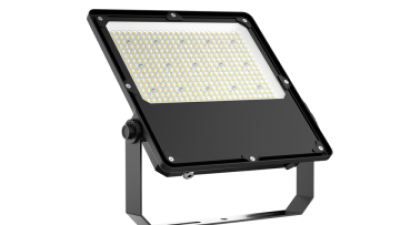
In the ever-evolving landscape of outdoor lighting, the demand for high-performance, waterproof LED flood lights continues to rise. The 2023 market presents an impressive range of 50W-400W LED flood lights that not only meet rigorous quality standards but also offer exceptional durability thanks to their IP66 rating. These lights are perfect for illuminating outdoor spaces, providing robust lighting solutions while withstanding various weather conditions. Backed by a 5-year warranty, they ensure peace of mind and reliability for any outdoor lighting project.
The construction of these LED flood lights features advanced die-casting aluminum combined with tempered glass, ensuring both durability and a sleek design suitable for modern aesthetics. With lumen efficiencies ranging from 120 to 150lm/W, users can expect bright and effective illumination tailored to their environment. Additionally, the availability of glare-free lenses in multiple beam angles—ranging from 15° to 90°—provides flexibility for diverse applications. Superior heat dissipation is designed to extend the lifespan of the lights, reducing maintenance costs while delivering exceptional performance in various settings.
Explore our top-quality lighting solutions engineered for excellence, and trust a reliable supplier to meet your diverse lighting needs. These high-performance LED flood lights are the ideal choice for anyone looking to enhance outdoor illumination while ensuring energy efficiency and longevity.
FAQS
: Yes, they can charge, but efficiency decreases with cloud cover.
They use photovoltaic cells to convert sunlight into electricity, storing energy in batteries.
Weather conditions, quality of materials, and design can all impact their effectiveness significantly.
Place them in direct sunlight and regularly clean the solar panels.
Many report inconsistent brightness, particularly after cloudy weather. Expectations may not always be met.
It’s good to check regularly and consider replacing them every few years for optimal performance.
Many users report poor battery capacity, which affects functionality during overcast conditions.
Not all products are durable; some struggle with longevity in challenging weather conditions.
Be cautious; there may be discrepancies between marketing claims and real-world performance.
Regular maintenance improves efficiency, especially cleaning panels and checking battery health.
Conclusion
The article explores the performance of OEM solar lights in China, focusing on the question, "Do Solar Lights Charge On Cloudy Days?" It begins with an overview of the solar light market in China, explaining how these lights utilize solar energy through a charging mechanism that harnesses sunlight. The impact of cloud cover on solar panel efficiency is then examined, highlighting that while solar panels do have reduced performance under cloudy conditions, they can still generate some power, allowing for partial charging even on overcast days.
Additionally, the article reviews the top ten OEM solar light brands, discussing their products' efficiency on cloudy days and providing a comparative analysis of various models. User feedback is incorporated to understand real-world charging performance, emphasizing that while cloudy conditions may hinder full efficiency, many solar lights still perform adequately. This insight offers valuable information for consumers considering solar lights for diverse environments.