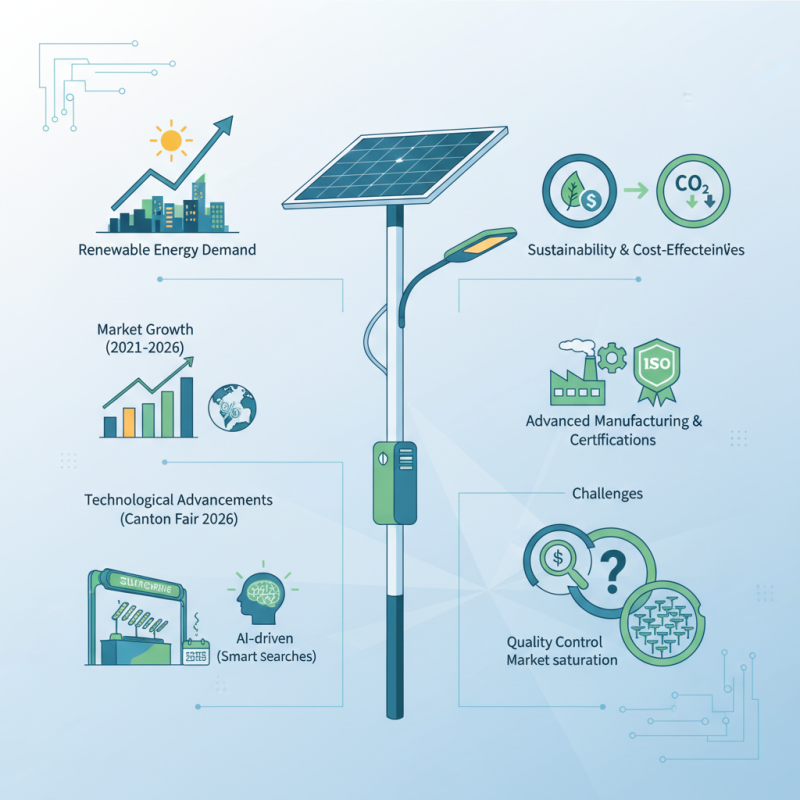
Lately, there’s been a real surge in demand for renewable energy solutions, especially when it comes to urban planning projects. One standout in this space is the China ODM Solar LED Street Light—these lights are pretty cool because they blend eco-friendliness with being budget-friendly. Not only do they help slash energy costs, but they also cut down on carbon emissions. According to a report by Research and Markets, the global market for solar street lighting is expected to grow at a pretty impressive rate—around 22.5% CAGR from 2021 through 2026, if you can believe that!
So, what exactly is a solar LED street light? Basically, it’s an efficient and environmentally friendly lighting option designed for cities and towns looking to go green. Chinese suppliers are using advanced manufacturing techniques to produce these lights, and many of their operations are certified with standards like ISO and CE—so you know they’re reliable and safe.
And interestingly, the 2026 Canton Fair is going to be a major showcase for the latest in LED tech, highlighting how far the industry has come. There’ll be AI-powered features to help buyers find suppliers that meet all the right standards—kind of like a smart shopping assistant! Of course, even with all this progress, there are still hurdles, like maintaining quality and dealing with market saturation. Thinking through these issues carefully will be key for anyone wanting to really lead the pack in the solar street light game.
Understanding China ODM Solar LED Street Lights
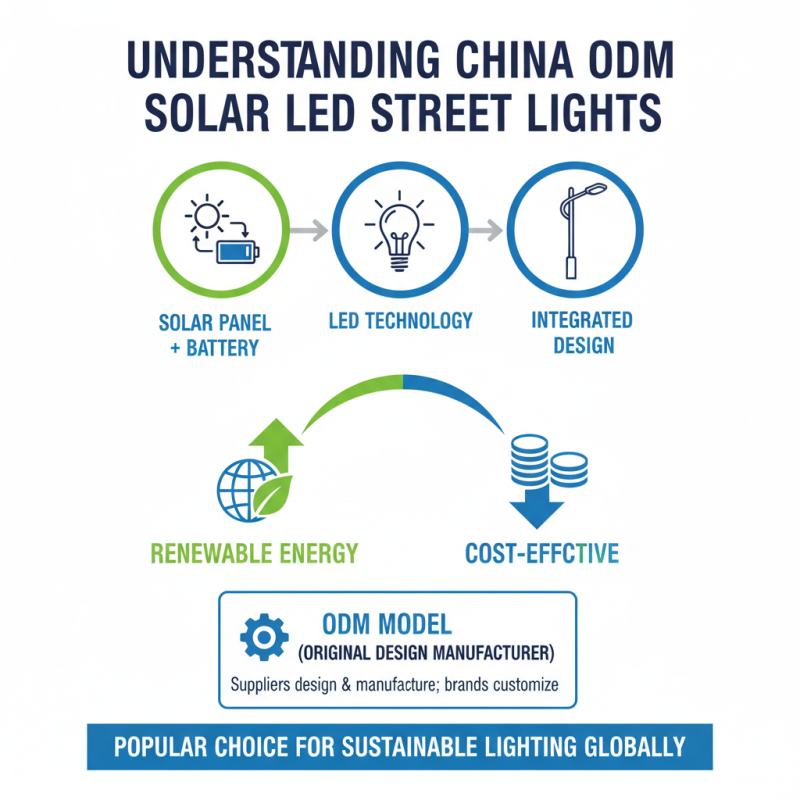
China ODM solar LED street lights are gaining popularity. They represent a cost-effective way to use renewable energy. These lights integrate solar panels, LED technology, and batteries. Many suppliers provide these products under an Original Design Manufacturer (ODM) model.
Suppliers typically design, manufacture, and test lights. They often focus on creating products tailored to market needs. ODM suppliers work with various clients, adjusting designs as required. But communication challenges can arise. Not all suppliers understand client expectations perfectly. This can lead to mismatched designs and end-user dissatisfaction.
**Tip:** Always clear your requirements before placing an order. This ensures better alignment.
Quality control is vital in production. Some suppliers may overlook this important step. Ultimately, inferior products can reflect poorly on everyone involved. Regular audits of suppliers can help maintain standards.
**Tip:** Schedule visits to factories if possible. This can reveal important insights.
Sourcing these lights involves understanding local regulations too. Adapting to local certification can be daunting. Although the process may vary, it is essential for legal compliance.
Key Features of Solar LED Street Lights
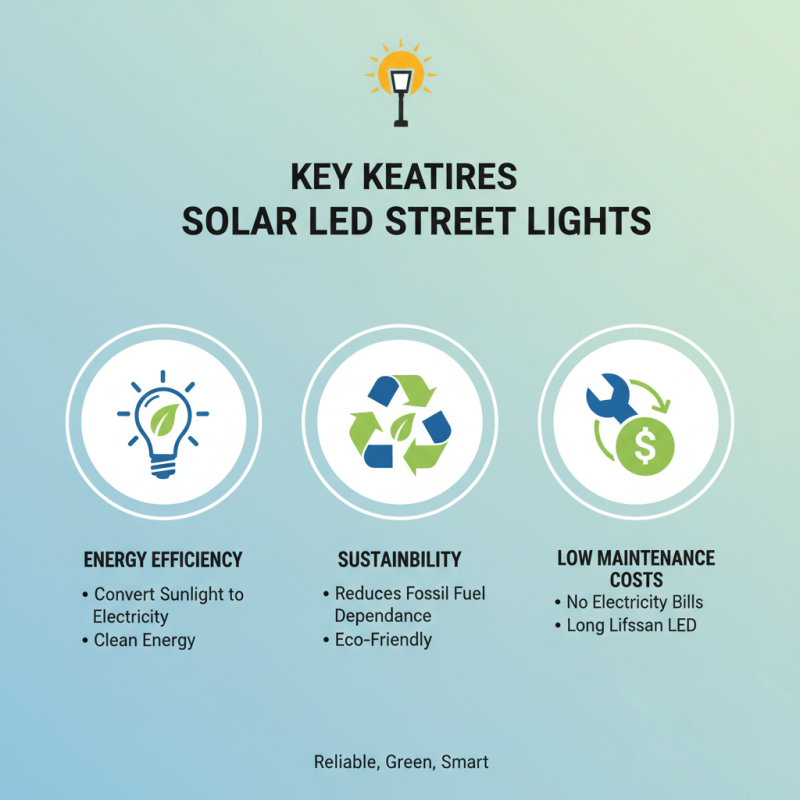
Solar LED street lights are becoming increasingly popular. Their main features include energy efficiency, sustainability, and low maintenance costs. These lights rely on solar panels that convert sunlight into electricity. This process is clean and reduces dependency on fossil fuels.
A key aspect of these lights is their built-in batteries. They store energy during the day and provide illumination at night. This autonomy is vital in areas with unreliable electricity. Many models have motion sensors, which help save energy by dimming or turning off when no one is nearby.
**Tips:** Consider wattage. Higher wattage means brighter lights. Look for models with durable materials. They should withstand harsh weather.
However, not all solar LED street lights are the same. Some may not receive enough sunlight, leading to decreased performance. It's essential to assess local weather patterns before purchasing. Installing in shaded areas can also reduce efficiency. Conduct thorough research on your options.
The Role of ODM (Original Design Manufacturer) in Solar Lighting
ODM, or Original Design Manufacturer, plays a vital role in the solar lighting industry. With advancements in technology, an ODM provides design and engineering services for products like Led Light Solar Street Light. They create innovative designs that meet market demands. This process involves collaboration with suppliers and clients to ensure the product aligns with expectations.
Suppliers operate by sourcing high-quality materials. They often work with various manufacturers to produce components. The goal is to keep costs down while maintaining quality. However, challenges arise during this process. Communication gaps can lead to misunderstandings. Furthermore, inconsistencies in material quality can affect the final product. A successful ODM must navigate these obstacles carefully.
In the fast-paced solar industry, ODMs face competitive pressure. They must continuously innovate to stay ahead. This constant need for improvement can be daunting. As they strive to enhance designs, they may overlook the importance of customer feedback. Collecting and acting on this input is essential for long-term success. Only then can they truly meet the needs of the market in the Led Light Solar Street Light segment.
What is a China ODM Solar LED Street Light and How Do Suppliers Operate?
| Dimension |
Details |
| Product Type |
Solar LED Street Light |
| Power Output |
30W - 200W |
| Voltage |
12V, 24V, 48V |
| Lighting Time |
Up to 12 hours/night |
| Battery Type |
Lithium-ion or Lead-acid |
| Solar Panel Type |
Monocrystalline or Polycrystalline |
| Color Temperature |
3000K - 6000K |
| ODM Benefits |
Custom designs, cost efficiency, faster time-to-market |
| Supplier Responsibilities |
Design, prototype development, manufacturing, quality control |
How Suppliers Source Materials for Solar LED Street Lights
Suppliers of solar LED street lights face unique challenges when sourcing materials. The process often begins with identifying reliable manufacturers of photovoltaic cells and LED components. Industry reports suggest that over 50% of the costs in these products come from high-quality materials. This means choosing suppliers that meet stringent quality standards is vital.
In some cases, suppliers rely heavily on partnerships with local manufacturers to source materials. This can lead to better pricing and shorter lead times. However, such reliance can sometimes compromise quality. Shortages in essential components, like LED chips, can disrupt the supply chain. Reports indicate that demand for these chips has increased by 25% in the last few years.
While many suppliers prioritize low cost, the balance between quality and affordability is crucial. Extended warranties for Street Light Solar Light often become a selling point. Yet, if materials used do not meet performance specifications, the warranty becomes less valuable. Suppliers must constantly evaluate their sourcing strategies to improve product reliability while managing costs.
Manufacturing Processes for ODM Solar LED Street Lights
In the solar energy sector, ODM (Original Design Manufacturer) solar LED street lights are gaining momentum. The manufacturing process involves several crucial steps that enhance product quality and efficiency. First, suppliers design prototypes based on client specifications. This can lead to variations in design, but it is essential for staying competitive. ODM suppliers play a significant role in the global market, with a report indicating that the solar lighting industry expects a compound annual growth rate of over 20% through 2025.
Prototyping is only part of the journey. After approval, manufacturers source materials. They often choose components with long life spans and high efficiency. Solar panels, lithium batteries, and LED modules are critical. Striking a balance between cost and quality can be challenging. Some suppliers may cut corners, leading to diminished product reliability. In 2022, reports showed that around 12% of solar lighting products faced performance issues within the first year.
Tips: Always check for certifications on products. Researching your supplier’s materials can save potential losses. Look for comprehensive warranties, as these can offer some peace of mind. The landscape of ODM
Solar Light Street Lights continues to evolve, compelling suppliers to adapt quickly. Failure to do so can leave them behind in an increasingly competitive market.
Quality Control Measures in Solar LED Street Light Production
Quality control is crucial in the production of solar LED street lights.
This process ensures functionality and durability. During manufacturing, various checks are made. Each component, from the LED chips to the solar panels, undergoes rigorous testing.
One common measure is visual inspection. Workers examine parts for defects. Small imperfections can lead to significant issues later.
Regular quality assessments prevent potential failures. It’s a step that shouldn't be overlooked.
Tips: Always conduct tests on samples. This can save time and resources. Monitor every stage of production. Small changes during manufacturing can have big impacts.
Regular feedback loops help in identifying areas for improvement.
Moreover, environmental tests are vital. They simulate real-world conditions. High temperatures, humidity, and pressure are assessed.
These tests ensure the lights can endure various climates. Without these, product reliability is uncertain.
Quality control doesn’t just happen at the end. It involves continuous evaluation. Suppliers must remain vigilant. Learning from mistakes is part of the process.
The goal is a product that lasts in the field.
The Global Market for China ODM Solar LED Street Lights
The global market for China ODM Solar LED Street Lights is rapidly expanding. Many cities seek sustainable lighting solutions. Solar Powered Led Street Lights provide an eco-friendly alternative to traditional street lighting. These products are designed to save energy and reduce electricity costs. As urban areas grow, the demand for this technology rises.
Suppliers often operate under a unique model. They leverage local resources to produce these lights efficiently. Product quality can vary significantly, as not all manufacturers prioritize the same standards. Some might cut costs at the expense of durability. This raises concerns for buyers about reliability and maintenance needs in different climates.
Understanding the market dynamics is essential. Prices can fluctuate based on shipping costs and material availability. Buyers should be cautious when selecting suppliers. Evaluating the long-term benefits against initial costs is crucial. Emphasizing transparency in production processes can help build trust among potential clients.
FAQS
: ODMs provide design and engineering services for solar lighting. They create innovative products that meet market needs.
Suppliers identify reliable manufacturers for components like photovoltaic cells. Quality standards are vital for cost management.
Shortages of essential components can disrupt the supply chain. Reliance on local partners may compromise quality.
Quality control ensures functionality and durability. Regular checks prevent failures and enhance product reliability.
Visual inspections are performed to check for defects. Regular assessments are crucial to prevent future issues.
Minor adjustments during manufacturing can lead to significant impacts on performance. Continuous monitoring is key.
Customer input is essential for long-term success in product design. Ignoring it can lead to unmet market needs.
Environmental tests simulate real conditions, assessing lights against high temperatures and humidity. Reliability hinges on these tests.
Continuous evaluations are necessary throughout production. Learning from mistakes improves future manufacturing efforts.
Overlooking quality can devalue warranties and affect performance. It may lead to increased customer dissatisfaction.
Conclusion
A China ODM Solar LED Street Light represents an innovative approach to urban lighting, combining energy efficiency with sustainable technology. What is a Solar LED Street Light? Essentially, it is a lighting system powered by solar energy, utilizing LED technology to offer bright, reliable illumination for streets and public areas. These systems are designed with several key features, including motion sensors, durable materials, and eco-friendly components, which enhance their functionality and longevity.
The role of Original Design Manufacturers (ODMs) in this sector is crucial, as they are responsible for the design and production of these lighting solutions while ensuring high-quality standards through various quality control measures. Suppliers typically source materials from trusted vendors to meet the specific requirements of manufacturing ODM solar LED street lights. The global market for these products continues to expand as cities seek cost-effective and environmentally-friendly lighting solutions, ultimately contributing to more sustainable urban development.