As more and more folks look for eco-friendly energy options, solar lighting systems are really catching on. But here’s a question that pops up a lot — do solar lights actually work in winter? I reached out to some experts in the field, like Dr. Emily Chen from Solar Innovations, and she shared some insights. She mentioned, “While solar lights can work during the winter months, their performance is definitely impacted by shorter days and, of course, the weather.”
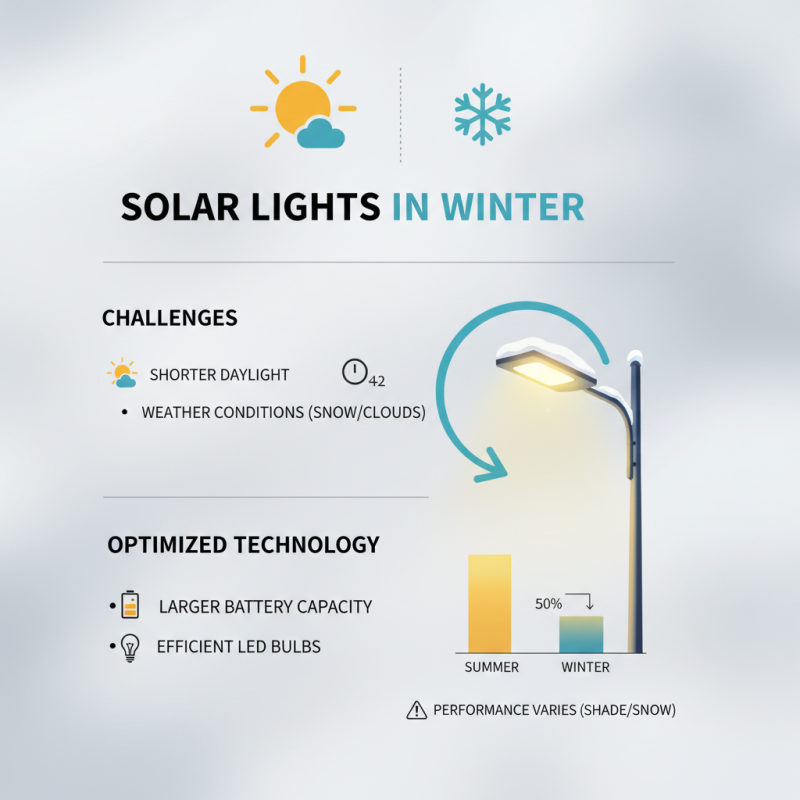
According to research from the Solar Energy Industries Association, solar energy output can drop by as much as 50% during winter, depending on where you are. That said, many top-notch OEM China solar lights have some pretty clever tech built into them—things like bigger batteries and more efficient LED bulbs—that help keep them working even with less sunlight.
Of course, it all depends on what you need. Some folks might find that their solar street lights don’t perform quite as well in winter, especially if there’s shading or snow covering the panels. This definitely makes you think about how to make the most of solar lighting in different environments and conditions.
Overall, it’s a bit of a mixed bag—winter can be tricky for solar, but with the right setup and expectations, you can still get good results.
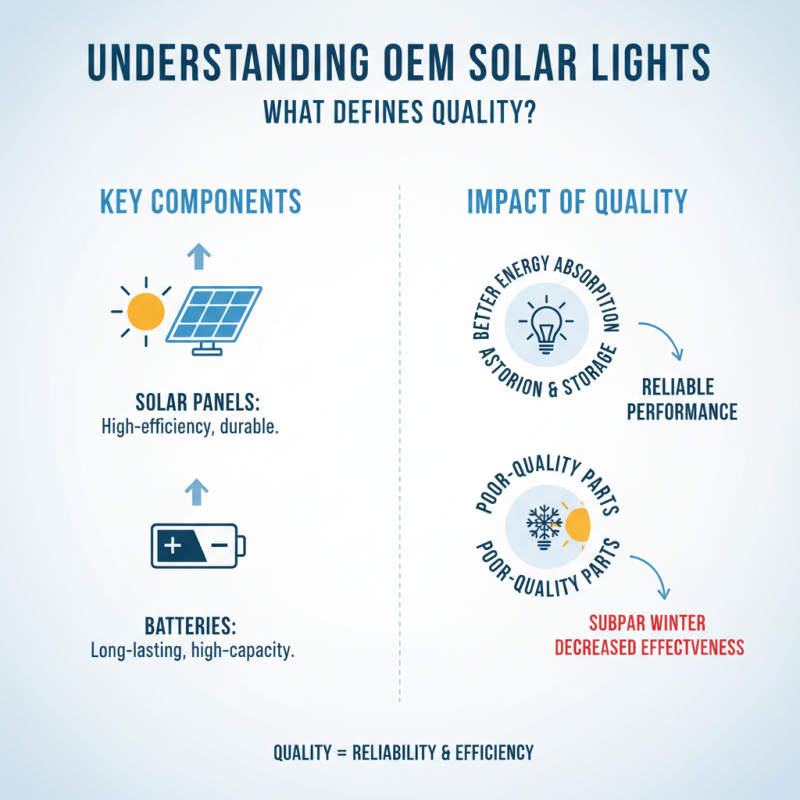
Understanding OEM Solar Lights: What Defines Quality?
When examining the quality of OEM solar lights, several factors contribute to their effectiveness. The components used in their manufacturing are crucial. High-quality solar panels and batteries ensure better energy absorption and storage. Poor-quality parts may lead to subpar performance, especially in winter months.
In addition, the design impacts functionality. OEM solar lights must be built to withstand harsh weather conditions. Some designs may fall short, resulting in decreased reliability during colder seasons. Users often report variations in brightness and duration of light output. Thus, the importance of reliable sourcing and quality control cannot be overstated.
Testing different models like Solar Led Hanging Lights can provide insights into performance. Not every option delivers equally across seasons. Potential buyers should seek detailed reviews and comparisons from trusted sources. Understanding common pitfalls can lead to more informed choices. Quality often varies widely, and reflection on personal experiences can promote better decision-making.
How Do Solar Lights Function During Winter Months?
Solar lights are often viewed as a reliable source of illumination, even in winter. However, their performance can be influenced significantly by colder temperatures and reduced sunlight hours. During winter months, solar panels may receive less sun exposure due to shorter days and overcast skies. This decrease in sunlight can lead to diminished energy storage in the batteries.
The efficiency of solar lights hinges on the quality of their components. Lower-quality lights may struggle to maintain brightness when temperatures drop. Additionally, snow accumulation on solar panels can block sunlight, further impacting their functionality. This is an aspect that users often overlook. Cleaning the panels regularly in winter can help enhance their performance.
While solar lights can still work in winter, users should set realistic expectations. It's not uncommon for these lights to exhibit reduced brightness or shorter illumination periods. Understanding these limitations can help users manage their lighting needs better. Ultimately, integrating solar lights into your winter lighting strategy requires knowledge and upkeep to ensure optimal performance.
Factors Affecting Solar Light Performance in Cold Weather
Solar lights, including
Solar Fence Lights
, face unique challenges in winter.
Cold temperatures can impact battery performance significantly.
Lithium-ion batteries, common in solar lights, lose efficiency when temperatures drop.
This can result in shorter illumination times during long winter nights.
Another factor is the amount of sunlight received. In winter, days are shorter, and clouds can obscure sunlight.
Less sunlight leads to less energy stored in the solar panels.
It's important to position lights where they can get maximum exposure.
Ensure that any accumulated snow or debris is cleared from solar panels.
Even a slight obstruction can lead to a noticeable decrease in light performance.
Additionally, the angle of sunlight changes with the seasons.
Solar lights designed for optimal performance in summer may need adjustments in winter.
Users might need to rethink their placement strategy, even experimenting with angles and locations.
This trial and error approach can help achieve better results in winter.
While solar lights work year-round, understanding these factors can enhance their effectiveness in cold weather.
The Role of Solar Panel Efficiency in Winter Conditions
Winter conditions can significantly impact the efficiency of solar panels. Research indicates that solar panel efficiency decreases by about 10-20% during cold weather. This is due to shorter daylight hours and the angle of sunlight hitting the panels. Snow cover can also obstruct sunlight, further reducing energy production.
Outdoor Solar Lamp Post Lights rely on solar energy, making them vulnerable in winter months. However, advancements in solar technology have improved performance. Some panels are designed to harness low-light conditions better. Reports indicate that high-efficiency solar panels can operate effectively even in cloudy or snowy weather. This makes them a reliable choice for winter outdoor lighting.
It's crucial to consider battery performance during colder months. Cold temperatures can diminish battery capacity, impacting how long your lights will run. Users often find that the dimming or flickering of lights can signal inefficiency. Though winter is challenging for solar, newer models are addressing these issues. Awareness of these factors can lead to better purchasing decisions.
Tips for Choosing the Best OEM Solar Lights for Winter Use
When selecting the best solar lights for winter use, consider the climate in your area. Cold temperatures can affect battery efficiency. Look for lights with high-capacity batteries that can withstand lower temperatures. Some models may struggle in prolonged cold or cloudy conditions.
Check the solar panel quality, too. Efficient solar panels can capture sunlight even on overcast days. A wider angle of exposure can increase energy absorption. Also, consider additional features like motion sensors. They can help conserve battery power during long winter nights.
It's important to pay attention to materials as well. Durable materials can resist frost and harsh weather. However, not all products are built the same. Some may corrode or deteriorate faster than others. Researching user reviews can provide insights into real-world performance. Always weigh the pros and cons based on your local environment, ensuring you choose wisely.
Maintenance Practices for Winter-Proofing Solar Lights
Winter can pose challenges for solar lights. Understanding maintenance practices is crucial for performance. Most solar lights, including Metal Solar Garden Lights, rely on sunlight to recharge. If the solar panels are covered in snow or ice, they cannot generate power. Regularly clearing debris and snow from the panels helps ensure they remain effective.
The battery life of solar lights decreases in colder temperatures. As temperatures drop, batteries retain less charge. Investing in high-quality batteries can mitigate this issue. A report by the Solar Energy Industries Association indicates that proper battery maintenance can enhance lifespan by up to 25%. Regularly checking connections and ensuring the lights are sealed against moisture can further improve durability in winter.
Replacing older models with modern solar lights may bring better results. Some newer options are designed specifically to withstand harsh weather. They often come with enhanced features, such as built-in sensors that adjust brightness based on available sunlight. While many solar lights work effectively year-round, some situations may require additional care or reevaluation of effectiveness in extreme conditions.
Best OEM China Solar Lights Performance in Winter
| Aspect |
Performance |
Maintenance Tips |
| Light Output |
Reduced efficiency due to shorter days |
Regularly clean solar panels to maximize sunlight absorption |
| Battery Performance |
May degrade faster in cold temperatures |
Replace older batteries before winter |
| Weather Resistance |
Designed to withstand snow and rain |
Ensure fixtures are sealed and properly installed |
| Installation Location |
Optimal in south-facing spots |
Prune trees or bushes that may block sunlight |
| Cost-Effectiveness |
Initial investment pays off in long-term savings |
Consider durability and warranty while purchasing |
User Reviews: Real-World Performance of OEM Solar Lights in Winter
Winter presents unique challenges for solar lights, especially in regions with shorter daylight hours. User reviews indicate varied performances of OEM solar lights during these colder months. Many users report that solar lights can struggle with battery depletion when sunlight is scarce. This issue becomes particularly pronounced in areas that experience prolonged cloudy days.
On the other hand, some consumers have found that certain models maintain decent brightness even in winter. They suggest looking for solar lights with larger panels and higher capacity batteries to enhance performance. However, achieving optimal operation requires location considerations. Users often mention needing to reposition lights to maximize sun exposure during winter.
Despite these insights, not every OEM solar light meets expectations in snowy environments. Some users noticed that snow accumulation on panels significantly reduced charging efficiency. This highlights the need for periodic maintenance, which can be easily overlooked. Balancing practicality and functionality should be a priority for prospective buyers considering winter usage of these lights.
Maximize Outdoor Illumination: Explore the Benefits of 12W All-in-One Solar LED Garden Lights with Advanced Features
In recent years, the demand for sustainable outdoor lighting solutions has surged, driven by the need for energy efficiency and environmental conservation. The 12W All-in-One Solar LED Garden Lights are at the forefront of this movement, offering an impressive combination of advanced features and user-friendly operations. With a high-efficiency monocrystalline silicon solar panel producing 25W, these lights can illuminate your garden for an extended working time of 30-36 hours after just 6-8 hours of sunlight charging. They are particularly beneficial for homeowners looking to enhance their outdoor lighting without incurring hefty electricity bills.
The unique design of these solar lights ensures versatility and convenience. Equipped with remote control capabilities, users can operate the lights from distances up to 30 meters, allowing for easy adjustments based on specific needs. The smart controller also features customizable control modes, including timer settings and motion sensors, making it easier to manage outdoor lighting efficiently. Additionally, designed for reliability, the lights can function autonomously for 3-5 days even in overcast conditions, ensuring peace of mind during periods of inclement weather.
Furthermore, the aesthetic appeal of the UFO-style design provides a 360° viewing angle, enhancing not just functionality but also the overall ambiance of any outdoor space. With an impressive lifespan of 100,000 hours and an IP65 rating, these solar garden lights are built to withstand various weather conditions while offering a three-year warranty. According to industry reports, the global solar lighting market is expected to grow significantly, emphasizing the increasing importance of innovations that combine practicality with sustainable practices.
FAQS
: Solar lights can work in winter, but their performance varies due to less sunlight and colder temperatures.
Shorter days and overcast skies lead to reduced sunlight, affecting battery energy storage.
Lower-quality solar lights may struggle to maintain brightness due to cold temperatures and less sunlight exposure.
Snow accumulation can block sunlight, decreasing the efficiency of solar panels and reducing their charging ability.
Regularly clean solar panels to prevent snow accumulation and maximize sunlight exposure for better performance.
Not all models maintain brightness in snowy conditions. Some may need repositioning for optimal sun exposure.
Look for lights with larger panels and higher capacity batteries for potentially better winter performance.
Users report mixed experiences, with some lights performing well while others deplete batteries too quickly during cloudy days.
Yes, periodic maintenance is important, especially cleaning panels to enhance functionality in winter conditions.
Users should expect reduced brightness and shorter illumination periods during winter months.
Conclusion
This article explores the performance of OEM solar lights during winter, addressing the critical question: "Do Solar Lights Work In Winter?" It begins by defining the quality of OEM solar lights and how they are designed to function in cold weather. The article delves into the factors that can impact their performance, including reduced sunlight hours and colder temperatures, which affect the efficiency of solar panels.
Furthermore, it offers insights into selecting the best OEM solar lights for winter use, emphasizing the importance of panel efficiency and proper maintenance practices to ensure optimal functionality despite harsh conditions. Real-world user reviews underscore how well these lights perform during winter months, providing valuable perspectives for consumers considering solar options in areas with cold climates. Overall, the article serves as a comprehensive guide for anyone curious about the viability of solar lighting solutions in winter.