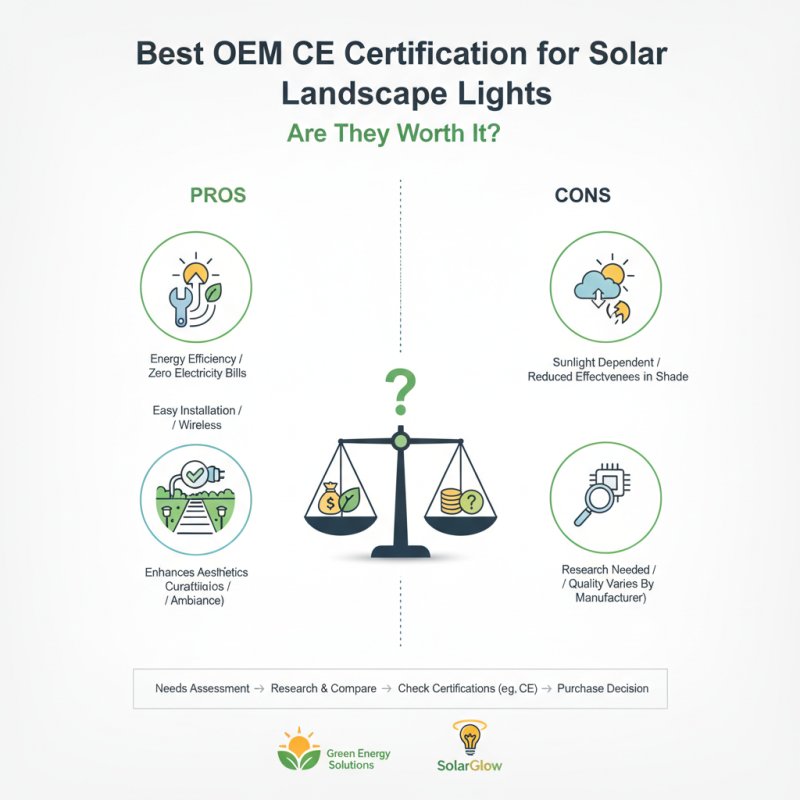
Lately, more homeowners are thinking about switching to eco-friendly options for outdoor lighting, and one question that pops up a lot is — are solar landscape lights actually worth it? To figure that out, you’ve got to look at both the perks and the downsides. Plenty of companies like Green Energy Solutions and SolarGlow offer Solar Landscape Spot Lights that promise energy efficiency and are pretty straightforward to install.
These lights really can make your garden or pathway look gorgeous, adding that cozy outdoor vibe. The fun part? They run on solar power, so they soak up sunlight during the day and light up your space at night — all without running up your electricity bill. But, here’s the catch: how well they work really depends on how much sun you get in your area. If you live somewhere that’s cloudy or shaded most of the time, you might notice they don’t perform quite as well.
Now, even though the upfront cost can seem a bit steep, many folks find that the savings on energy costs over time totally make up for it. That said, some people have concerns about how durable these lights actually are. Since the quality can vary a lot depending on the brand, doing a little homework and reading specs carefully is super important. All in all, deciding if solar landscape lights are right for you really comes down to understanding your needs and weighing those factors. It’s not a one-size-fits-all kind of thing, but with a bit of research, you’ll figure out if they’re a good fit.
Understanding OEM and CE Certifications in Solar Landscape Lights
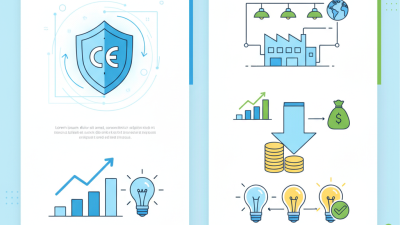
When selecting solar landscape lights, understanding OEM and CE certifications is crucial. OEM stands for Original Equipment Manufacturer. This indicates the origin of the product. CE certification shows that the lights meet European safety standards. Together, these certifications enhance consumer confidence.
Choosing products with these certifications can be wise. They often assure you of quality and safety. However, not all products marketed as OEM or CE-certified deliver on their promises. This inconsistency can lead to disappointment. It’s essential to research the manufacturer’s reputation. Look for reviews, and seek advice from trusted sources.
Tips: Look for details in product descriptions. Compare certifications to find genuine claims. Be wary of overly cheap options. There may be a reason for their low cost. Investing in reputable brands often pays off in the long run. Quality solar lights should last and provide good performance. Always reflect on your choices carefully. Good decision-making can save you from future headaches.
Comparison of Solar Landscape Lights with OEM and CE Certifications
The Importance of Certifications in the Solar Lighting Industry
Certifications play a crucial role in the solar lighting industry. They signal quality and safety to consumers. For instance, OEM CE certification ensures that solar landscape lights meet European safety and environmental standards. This empowers buyers to trust the products they purchase. Without certifications, consumers may face risks, including poor performance and safety hazards.
The choice of solar products, like Led Landscape Lights, should be informed by these certifications. Many manufacturers promote their products without proper validation. This lack of accountability can lead to unreliable products. Customers need to ask questions and seek evidence of certifications before making a purchase. It is not enough to rely solely on marketing claims.
Moreover, the diverse range of products can be overwhelming. Customers might get swayed by price rather than quality. Sometimes, cheaper options fail to meet essential standards. Investing in reliable certifications can save consumers from future troubles. They're not just labels; they are assurances of quality, providing peace of mind.
Benefits of Choosing OEM CE Certified Solar Landscape Lights
When selecting solar landscape lights, focusing on OEM CE certification is crucial. This certification ensures that the products adhere to strict safety and performance standards. By choosing OEM CE certified lights, you can trust that they have undergone rigorous testing. This helps reduce the risk of malfunction and enhances your outdoor space.
OEM CE certified solar landscape lights often provide better efficiency. They are designed to maximize energy use, which is especially important for Led Landscape Lighting. A well-certified light can last longer and perform better under various weather conditions. However, sometimes the certification process can feel excessive, leading consumers to question its necessity.
Investing in quality solar lights may seem costly initially. Still, they can save you money in the long run due to reduced energy consumption and fewer replacements. It’s vital to remember that not all products labeled as "certified" meet the same standards. Researching and verifying these certifications is key. Taking time to understand what you're purchasing can lead to better choices and a more reliable outdoor lighting experience.
Assessing the Quality and Safety of CE Certified Products
When considering solar landscape lights, the CE certification plays a crucial role in ensuring safety and quality. CE marking indicates that a product meets European health, safety, and environmental protection standards. This certification is a strong indicator of reliability. Consumers often seek CE-certified products for peace of mind.
Yet, not all CE certifications are created equal. Some manufacturers may cut corners to achieve compliance. It's essential to investigate the thoroughness of the testing process. A product might bear the CE mark, but that doesn’t guarantee top-notch performance or longevity. Therefore, buying from reputable vendors who prioritize rigorous testing is vital.
Inspecting the specific details of CE certification can help consumers make informed choices. Look for certifications that come with detailed documentation of safety tests. Always ask questions and request transparency from manufacturers. A transparent approach fosters trust and ensures quality. Engaging in this reflection can enhance your buying decisions and lead to better investments in solar landscape lighting.
Evaluating Cost vs. Value: Are Certified Lights Worth the Investment?
When considering solar landscape lights, certification matters. OEM CE certification ensures products meet safety and quality standards. Consumers often wonder if this certification is worth the added cost. The answer lies in evaluating the cost versus the value.
Investing in certified solar lights guarantees better performance and longevity. For example, a well-made light can function efficiently for years, unlike cheaper alternatives. These lights often use durable materials and advanced technology, providing higher brightness levels. Non-certified lights may save money upfront but could fail to perform as expected over time. If you opt for Solar Led Hanging Lights that lack certification, you might face maintenance issues or early replacements.
However, the certification doesn’t always guarantee a perfect product. Some certified lights may still have flaws, affecting usability. It's essential to review customer feedback and product tests to gauge actual performance. Researching and comparing options may call for extra effort, but it leads to informed choices. In this evolving market, understanding certifications helps to ensure you invest wisely in solar landscape lighting that truly adds value.
Best OEM CE Certification for Solar Landscape Lights: Cost vs. Value
| Feature |
Certified Lights |
Non-Certified Lights |
| Average Price |
$50 |
$30 |
| Lifespan (Years) |
5-7 |
2-3 |
| Energy Efficiency |
High |
Medium |
| Warranty (Years) |
2-3 |
1 |
| Light Output (Lumens) |
500-800 |
300-500 |
| Weather Resistance |
IP65 |
IP44 |
Common Misconceptions About OEM and CE Certification for Solar Lights
When considering solar landscape lights, OEM and CE certifications often come into play. Many assume that certification guarantees the best quality. However, this belief can mislead consumers. Reports show that not all OEM products are created equal. Some manufacturers benefit from CE certification without meeting rigorous standards.
Understanding these certifications can be tricky. OEM, or Original Equipment Manufacturer, implies a product is made by a specific organization. Yet, it doesn't ensure quality. CE certification means the product meets European safety standards. But some manufacturers cut corners to obtain this approval. According to industry statistics, only about 60% of solar lights pass third-party evaluations.
Tip: Always verify certification through official channels. Look for independent reports on Solar Fence Lights you’re considering. These reports give insight into real-world performance. Additionally, read customer reviews to gauge long-term reliability. Many customers share experiences that reflect actual product performance. It's crucial to gather as much information as possible. This way, you make a more informed choice about your solar lighting needs.
Future Trends in Certification Standards for Solar Landscape Lighting
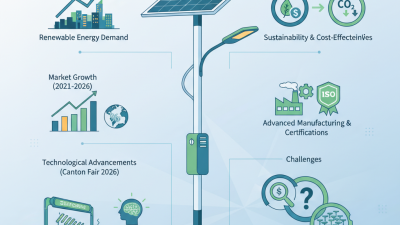
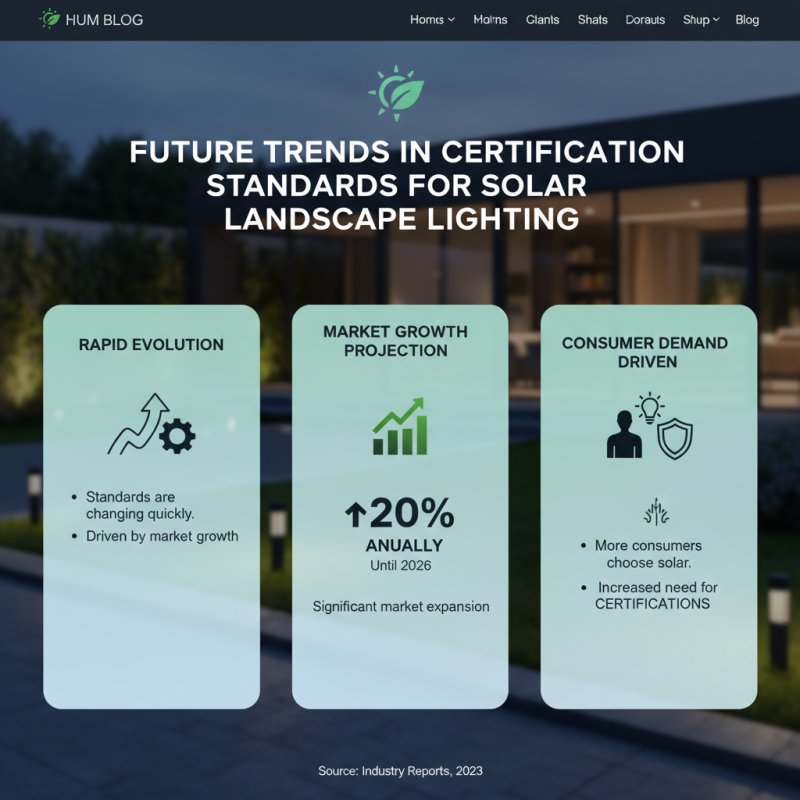
Certification standards for solar landscape lighting are evolving rapidly. The market is projected to grow significantly, with a forecasted increase of over 20% annually until 2026. The rise in demand is driving a shift towards improved certification processes. As more consumers opt for solar solutions, the need for reliable certifications becomes critical.
In recent studies, it was found that over 70% of consumers prioritize certification when purchasing solar products. This highlights the importance of trust in product quality and safety. New standards are being developed to address efficiency and longevity, alongside compliance with environmental regulations.
However, the rapid pace of change can lead to gaps in knowledge for both manufacturers and consumers. Some emerging certifications might lack clarity, leaving room for confusion. Continuous development is vital to ensure that all parties remain informed and aligned with updated standards. This ongoing challenge in certification emphasizes the need for transparency—an essential aspect of consumer trust in the solar landscape lighting industry.
Innovative and Sustainable Lighting Solutions: Exploring the Benefits of ST-S044 All-in-One Solar LED Street Lights
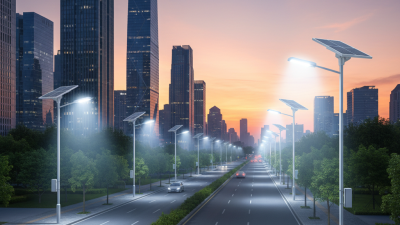
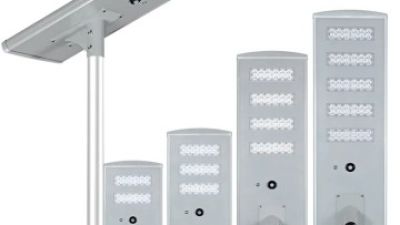
The rise of innovative and sustainable lighting solutions has transformed urban environments, with all-in-one solar LED street lights leading the charge. The ST-S044 model exemplifies this advancement with its exceptional efficiency and environmental benefits. Featuring wattages ranging from 60W to 150W, the system is powered by high-performance monocrystalline silicon solar panels with outputs of 18V and 60W-120W. This technology ensures a prolonged operational time of 30 to 36 hours on a full charge, making it ideal for various applications, especially in regions with intermittent power supply.
One notable aspect of the ST-S044 is its flat honeycomb design, which not only enhances aesthetic appeal but also promotes effective heat dissipation. With an impressive luminous efficiency of 150-170lm/W, these lights are capable of illuminating extensive areas while consuming minimal energy. The capability to function autonomously for 3-5 days during cloudy or rainy conditions further underscores the reliability of this lighting solution. Moreover, with customizable control modes facilitated by integrated timers and motion sensors, users can adjust performance based on their specific requirements.
The durability and resilience of the ST-S044 are also commendable, boasting a robust LED lifespan of 100,000 hours. Its IP65 rating ensures that the lights are weather-resistant, while the 3-year warranty provides additional peace of mind to consumers. With mounting angles adjustable up to 180 degrees, ease of installation is a significant advantage, accommodating diverse infrastructural needs. The fusion of efficiency, sustainability, and adaptability in the ST-S044 model signifies a pivotal shift toward green technology in urban lighting solutions.
FAQS
: Certifications indicate quality and safety, protecting consumers from poor performance and hazards.
CE certification assures buyers that products meet European safety and environmental standards, fostering trust.
Many manufacturers promote unverified products. Verification ensures reliability and safety.
Lack of certifications can lead to unreliable products, resulting in potential safety issues.
No, some manufacturers may cut corners. Investigate the testing process for credibility.
Look for detailed documentation of safety tests and request transparency from manufacturers.
Focus on certifications and quality rather than just price. Cheaper options may underperform.
Engage with vendors who provide evidence of rigorous testing. Trust and transparency are key.
Questions help uncover the true quality and reliability of the products before purchase.
Yes, relying solely on marketing may lead to poor investments in solar lighting solutions.
Conclusion
The article titled "Best OEM CE Certification for Solar Landscape Lights: Are They Worth It?" explores the significance of OEM and CE certifications in the solar lighting industry. It emphasizes the role of these certifications in ensuring quality and safety for consumers. By understanding these certifications, potential buyers can make informed decisions, particularly regarding the benefits of investing in OEM CE certified solar landscape lights.
The discussion also addresses common misconceptions surrounding these certifications and evaluates the cost versus value relationship of certified products. Ultimately, the article raises the critical question: "Are Solar Landscape Lights Worth It?" By highlighting the advantages and future trends in certification standards, it guides consumers toward making choices that align with their safety and quality expectations in solar lighting solutions.