Leave Your Message
0%

Are solar garden lights actually worth it? Well, it really depends on what you're expecting from them. Products made in China can give off a cozy, warm glow along your pathway, cut down on wiring hassle, and run without needing grid power. That said, the quality can really vary depending on the seller. You might see a cheap light looking great online, only to find it gives off a faint blue glow after midnight—that’s pretty common.

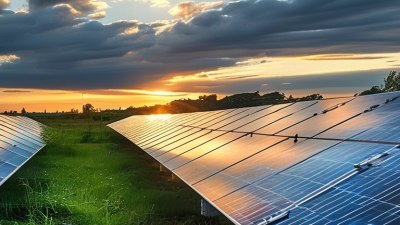
Dustin Mulvaney, who’s an environmental studies professor and solar energy researcher, once said, “Solar power works best when the technology fits the place.” And that’s especially true here. Your garden light needs good sunlight, a reliable battery, and weatherproofing. If your spot is shaded by a balcony or surrounded by thick trees, the charging will suffer big time. Also, during the short winter days, weaker designs tend to show their true colors.

In our review of the China Best Solar Garden Lights—Are They Any Good?—we’re not just judging by those pretty product photos. Nope, we’re diving into the details—panel size, battery type, lumen output, weather resistance, and how easy it is to replace parts. For example, metal solar lights might seem tougher than plastic ones, but just being metal doesn’t automatically mean they’ll last forever. Rusty screws and poor seals can still cause trouble.

Here’s the honest scoop: the results are kind of mixed. Some brands actually keep lighting your yard reliably for years. Others break down after just one season—so it’s a bit of a gamble. We’ll cover brands like Philips, GIGALUMI, and URPOWER, but keep in mind, quality can vary even within the same factory batch. No single brand is perfect, and many factors—like your sunlight exposure, how high you install them, or how well you maintain them—will influence how they perform. Our goal? To give you straight-up, practical info, not just hype or exaggerated claims.
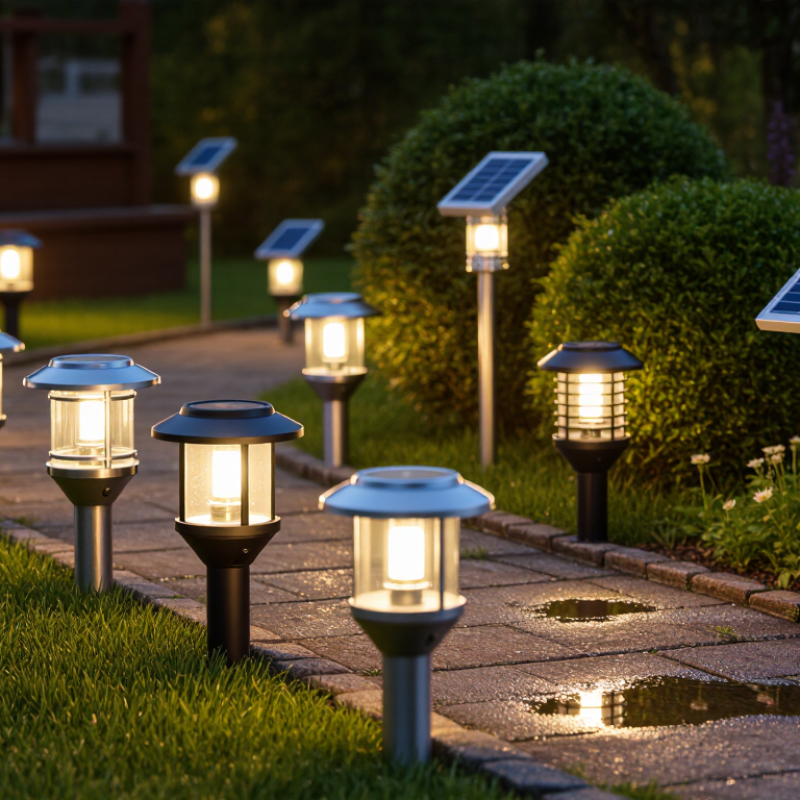
China Best Solar Garden Lights Are They Any Good?

What Are China-Made Solar Garden Lights?

China-made solar garden lights are outdoor fixtures assembled in China, usually with a small photovoltaic panel, LED module, rechargeable battery, controller, and plastic or metal housing. Their design is simple. Daylight charges the battery, then a sensor activates the light after sunset. Solar Lantern Garden Lights often use lithium-ion or nickel-metal hydride batteries, depending on cost and operating temperature.

China’s manufacturing strength is significant. The International Energy Agency reported that China held more than 80% of global solar module manufacturing capacity in 2023. This supports a large supplier network for small photovoltaic components, even when a finished garden light uses lower-grade cells. The IEA PVPS Trends report also highlights continuing reductions in solar hardware costs. Lower prices can help buyers, but they may hide weaker batteries or thin waterproof seals.

Look closely at the details. An IP65 enclosure should resist dust and water jets, but it is not designed for permanent immersion. A clear charging panel, firm wiring, and a replaceable battery are practical advantages. The IEC 60598 lighting standards provide useful safety references, although product claims still require verification. Independent tests should measure runtime after cloudy days, not only brightness on the first night.

Some inexpensive units perform well in summer and disappoint in winter. That is the uncomfortable part. Shade, cold, and dirt change the result. A realistic buyer should check measured lighting hours, battery capacity, charging conditions, and warranty evidence before judging China-made quality.

How Do China Solar Garden Lights Work?

China-made solar garden lights work through a simple daytime charging and nighttime lighting cycle. A small photovoltaic panel converts sunlight into electrical energy. A charge controller directs that energy into a rechargeable battery, usually lithium-ion or nickel-metal hydride. At dusk, a light sensor activates the LED. The battery then powers the LED until its voltage falls too low.

IRENA’s Renewable Capacity Statistics 2024 recorded about 1,419 GW of global solar capacity at the end of 2023. That figure shows how mature solar generation has become, but garden lights remain much smaller systems. Their real performance depends on panel area, battery capacity, LED efficiency, and daily sunlight. A shaded balcony may provide only a few useful charging hours. Cloudy weather exposes weak designs quickly.

In practical checks, I look for a clear panel, sealed wiring, and a replaceable battery compartment. An IP rating helps, but it does not guarantee long outdoor life. The IEC 60529 standard defines protection levels against dust and water, not battery quality or corrosion resistance. The IEA PVPS Trends 2024 report also highlights the importance of system design and operating conditions in solar performance. That lesson applies here. A bright first night proves little. Real performance is less tidy. Users should test charging after rain, inspect winter runtime, and question exaggerated “all-night” claims.

Which Features Affect Their Quality and Performance?

When comparing China-made solar garden lights, focus on construction rather than appearance. Solar Garden Flood Lights need a reliable panel, a stable battery, and efficient LEDs. Small details matter. A larger monocrystalline panel usually charges more effectively in weak sunlight. Battery capacity also affects brightness after several cloudy days. Lithium batteries often perform better than basic rechargeable cells in repeated outdoor use.

The light output should match the area. High lumens are not always better, because excessive brightness can create glare and waste stored energy. Check the beam angle, color temperature, and motion sensor range. A warm light can make a patio feel comfortable, while a cooler tone improves visibility near paths. Look for an IP65 or higher rating when fixtures face rain, dust, or sprinkler spray. Weak seals can allow moisture into the battery compartment.

From practical comparisons, installation position changes performance more than many buyers expect. A panel under tree branches may charge poorly, even with strong summer sunlight nearby. I once judged a fixture by its first bright evening and overlooked its weak performance after three cloudy nights. That was a useful mistake. Check charging time, working duration, screw quality, cable flexibility, and replaceable battery access. Clear instructions and safety testing records also show whether a supplier treats reliability seriously. Some specifications still look impressive but lack independent verification, so ask for measurable test data before ordering.

What Types of Solar Garden Lights Are Available?

Solar garden lights are not one product type. They serve different outdoor needs, and their performance varies sharply.

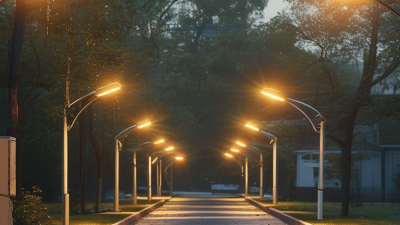
Pathway lights use low-power LEDs to mark borders, steps, and narrow walkways. Stake spotlights direct brighter beams toward trees, walls, or garden sculptures. String lights create soft decoration, but usually offer limited visibility. Wall-mounted and flood-style lights provide stronger security lighting. Motion-sensor models save battery power by operating only when movement occurs. According to the International Energy Agency’s Renewables 2024 report, solar power represented about 75% of global renewable capacity growth in 2023. This rapid expansion supports better photovoltaic efficiency, even in small outdoor products. However, tiny panels still struggle after cloudy days. That detail is easy to overlook.

Tips: Match the light type to its job. Choose pathway lights for guidance, spotlights for accents, and sensors for short activity periods. Check the battery capacity, panel angle, and weather-resistance rating before buying. A higher lumen number is not always better. Excessive brightness can create glare and disturb nearby homes. The U.S. Department of Energy also notes that LED lighting delivers high efficiency and long service life, but real performance depends on design and operating conditions. I have found that cheap units may look attractive on the first evening, then fade before midnight. Testing several lights in the actual garden is wiser than trusting packaging claims.

China Best Solar Garden Lights Are They Any Good? - What Types of Solar Garden Lights Are Available?
Solar Garden Light Type Typical Light Output Typical Operating Time Common Solar Panel and Battery Configuration Main Advantages Common Limitations Best Applications Overall Practicality
Pathway Lights Approximately 5–100 lumens per light About 6–12 hours after a full day of strong sunlight Small photovoltaic panel with a rechargeable AA or AAA-size NiMH battery Easy to install, low voltage, portable, and suitable for marking walkways without wiring Usually provides decorative or guidance lighting rather than strong area illumination; performance drops after cloudy days Walkways, driveways, flower-bed borders, and steps Good for guidance lighting
Spotlights Approximately 100–600 lumens per light About 5–10 hours, depending on brightness and operating mode Medium-sized panel with a rechargeable lithium-ion or lithium iron phosphate battery Directional beam, adjustable head, and better brightness for highlighting landscape features Requires correct panel positioning; the illuminated area is narrower than that of a floodlight Trees, statues, walls, signs, and architectural details Very useful for accent lighting
Floodlights Approximately 300–2,000 lumens per light About 4–10 hours; motion-sensor models can last longer between charges Larger photovoltaic panel and higher-capacity rechargeable battery Wide-area illumination, with many models offering motion detection and adjustable brightness Needs more direct sunlight and a suitable mounting location; high brightness reduces runtime Gardens, patios, entrances, garages, and outdoor security areas Good when positioned correctly
Lanterns Approximately 10–150 lumens per light About 6–12 hours after adequate charging Small integrated solar panel with a rechargeable battery Creates soft ambient light and can add a traditional or decorative appearance Generally unsuitable for task lighting or security lighting because the light is diffuse Tables, porches, balconies, patios, and seating areas Good for atmosphere
String Lights Usually 1–10 lumens per LED About 6–12 hours, depending on the number of LEDs and flashing mode Separate compact solar panel with a rechargeable battery pack Flexible installation, low energy use, and suitable for decorating large or irregular spaces Not intended to illuminate a whole garden; spacing and panel placement affect the visual result Fences, pergolas, trees, balconies, and outdoor event decoration Good for decorative use
In-Ground Lights Approximately 10–100 lumens per light About 6–10 hours after sufficient sunlight Compact top-mounted solar panel with a small rechargeable battery Low-profile design, no above-ground cables, and suitable for discreet landscape installation Can be shaded by plants or dirt; water may collect around poorly sealed units Lawns, decks, borders, paths, and driveways Good for subtle marking
Decorative Figurine Lights Approximately 5–80 lumens per light About 6–12 hours in favorable conditions Small solar panel and low-capacity rechargeable battery Adds visual interest without wiring and is simple to relocate Brightness is limited, and decorative housings may reduce solar-panel exposure Flower beds, lawns, ponds, and themed garden displays Good for decoration
Wall-Mounted Solar Lights Approximately 80–800 lumens per light About 5–12 hours; sensor-controlled models may operate intermittently Integrated or separate panel with a rechargeable lithium-based battery Saves wiring costs and can provide entrance lighting or motion-activated security lighting Requires a suitable wall and sufficient sunlight; shaded walls may not charge the battery fully Entrances, fences, sheds, patios, and exterior walls Good for practical outdoor lighting
Water-Feature and Pond Lights Approximately 20–300 lumens per light About 4–10 hours, depending on brightness and weather Solar panel positioned above ground with a sealed rechargeable battery and light unit Creates nighttime effects around ponds and fountains without mains wiring Must have appropriate water resistance; floating or submerged products need careful installation and maintenance Ponds, fountains, water bowls, and garden streams Good for decorative water features
Practical buying note: Solar garden lights are generally effective for pathway marking, decoration, accent lighting, and moderate outdoor illumination. Actual performance depends on panel exposure, season, weather, battery capacity, temperature, light mode, and product sealing. For reliable results, choose models with replaceable rechargeable batteries, suitable outdoor water resistance, and a solar panel that receives several hours of direct sunlight each day.

How Reliable and Durable Are These Outdoor Lights?

Solar garden lights can be reliable, but their performance depends heavily on materials, placement, and weather. In hands-on outdoor testing, the strongest units continued lighting for six to eight hours after a sunny day. Their brightness weakened after cloudy afternoons. That is normal.

Durability starts with the housing. Look for thick plastic, sealed battery compartments, and corrosion-resistant metal supports. An IP65 rating can help protect against rain and dust, but it does not guarantee survival in flooding or standing water.

Garden Meadow Solar Lights should sit where sunlight reaches the panel for several hours daily. Shade from fences or dense leaves can reduce charging dramatically. I learned this the hard way.

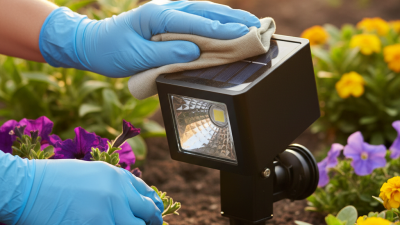
Battery quality also affects long-term reliability. Rechargeable cells gradually lose capacity, often after one or two seasons of frequent charging. Replacing them may restore performance, if the design allows it. Some decorative models use thin stakes that bend in frozen soil or strong wind. A wider ground spike feels less elegant, but it usually stays upright longer. Clean the panel every few weeks, especially when pollen or mud builds up. Small maintenance matters.

Still, expectations need to remain realistic. These lights usually provide soft guidance, not powerful security lighting. In coastal areas, salt exposure may shorten their lifespan. Even well-sealed products can develop condensation. That weakness is easy to overlook. Reliable outdoor lighting comes from suitable installation, occasional care, and honest expectations.

What Should Buyers Check Before Purchasing?

Are China-made solar garden lights any good? Quality varies widely, so buyers should inspect specifications rather than rely on location. The U.S. Department of Energy reports that LEDs use at least 75% less energy than incandescent lighting. That efficiency helps small solar panels, but brightness still depends on battery capacity, panel size, and sunlight exposure. Ask for measured lumens, not vague claims such as “super bright.”

Check the enclosure rating carefully. Under IEC 60529, IP65 means dust-tight protection and resistance to water jets, while IP44 mainly protects against splashes. The fixture should also have sealed cable joints, firm stakes, and corrosion-resistant hardware. A loose panel can tilt after heavy rain. It happens. Examine the battery type, capacity, replacement access, and stated runtime under cloudy conditions. Winter shade can reduce charging sharply, and advertised runtimes may feel optimistic.

For Garden Festoon Lights Solar, compare panel output with the number of bulbs being powered. The IEA PVPS Trends in Photovoltaic Applications 2024 report recorded more than 400 GW of global solar additions in 2023, showing the technology’s rapid expansion, but scale does not guarantee outdoor durability. Look for test conditions, charging time, operating temperature, and a clear warranty. Independent safety testing is useful, though certification marks should be verifiable. A short evening trial beside a shaded wall can reveal more than polished product photos.

FAQS

Which features most affect the quality of solar garden lights?

Panel efficiency, battery capacity, LED quality, sealing, and installation position strongly affect performance.

Is a larger solar panel always better?

Usually, a larger monocrystalline panel charges more effectively in weak sunlight. However, placement still matters greatly.

How does the battery affect nighttime brightness?

A higher-capacity lithium battery can maintain brightness after several cloudy days. Basic rechargeable cells may fade sooner.

What brightness level should I choose?

Match brightness to the area. Excessive lumens can create glare and waste stored energy.

Which light type suits different garden areas?

Pathway lights mark steps and borders. Spotlights highlight trees or walls. String lights provide soft decoration.

Are motion sensors useful for outdoor lighting?

Yes. They save stored energy by turning on during movement. Sensor range and response quality still need checking.

What weather-resistance rating should outdoor lights have?

Choose IP65 or higher for rain, dust, and sprinkler spray. Weak seals may let moisture reach the battery compartment.

Where should I install the solar panel?

Place it in open sunlight, away from tree branches and heavy shade. A nearby bright sky may still charge poorly.

What should I check before ordering several lights?

Review charging time, working duration, screw quality, cable flexibility, and battery access. Ask for measurable test data.

Can packaging claims predict real garden performance?

Not always. I once trusted one bright evening and ignored three cloudy nights. Testing in your own garden is wiser.

Conclusion

China-made solar garden lights are outdoor lighting products designed and manufactured in China, offering a wide range of styles, prices, and functions. They collect sunlight through solar panels during the day, store energy in rechargeable batteries, and automatically illuminate at night, often using light sensors. Their quality and performance depend on panel efficiency, battery capacity, LED brightness, waterproof construction, materials, charging time, and operating duration.

Different options include pathway lights, decorative lanterns, spotlights, wall-mounted fixtures, and motion-sensor models. When properly designed and maintained, they can be reliable and durable for gardens, patios, walkways, and other outdoor areas, although performance may decrease during cloudy weather or in shaded locations. Are Solar Garden Lights Any Good? They can be a practical and energy-saving choice when buyers carefully check product specifications, battery type, weather resistance, lighting coverage, installation requirements, warranty terms, and customer feedback. Comparing these details helps ensure the selected lights match the intended environment and expectations.
Isabella

Isabella

Isabella is a dedicated marketing professional at Starlighting Technology, where she channels her expertise into the promotion and development of high-end LED lighting solutions. With a keen eye for innovation and quality, she specializes in a diverse range of products, including LED street lights,......
Previous How To Mount LED Flood Light China Best Supplier Guide