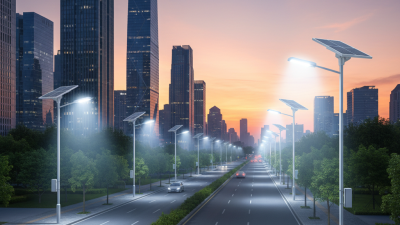
Getting your solar flood lights installed might sound a bit overwhelming at first, I get it. But honestly, understanding the steps makes a huge difference when you're trying to spruce up your outdoor space. A lot of folks ask me, “How do I install solar flood lights?” So, I figured I’d put together this little guide for anyone looking to light up their yard or garden the right way. When you install them properly, it’s not only safer, but it also works way more efficiently.
First things first—think about where you want to place your Solar Flood Lights Outdoor. It’s pretty important to consider which spots need the most light. After all, good lighting isn't just about looks—it's about boosting security too. Usually, experts say that the best spots are those that give you a clear view of the areas you want to keep an eye on. But hey, personal preference plays a big part, and sometimes that can make it tricky to decide exactly where to install.
Next up, don’t overlook the materials you choose. Going for high-quality parts is worth it because it means your lights will last longer and perform better. Sadly, some manufacturers try to cut corners, and that can lead to problems down the line. It’s a good idea to check for certifications like CE—they’re a pretty reliable indicator that the lights meet certain standards. Your choice of lights can really influence how happy you are with the overall setup. And be prepared—you might run into some bumps during installation. Mistakes happen, and that’s totally normal. The key is to learn what you can and keep things moving.
In the end, considering these things ahead of time will help make the whole installation process a lot smoother—and hopefully even a bit more fun!

Understanding OEM and CE Certification for Solar Flood Lights
Understanding OEM and CE certification is vital for solar flood light manufacturers.
OEM, or Original Equipment Manufacturer, ensures that products are produced according to specific designs or specifications.
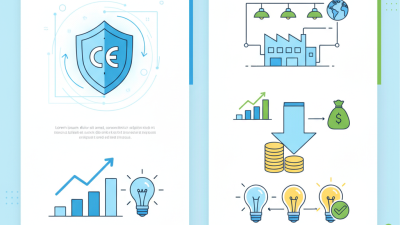
CE certification, which stands for Conformité Européenne, indicates compliance with health, safety, and environmental standards in the European market.
Both certifications enhance product credibility. However, the certification process can be complex and time-consuming.
Industry data reveals that in 2022, over 50% of solar flood light brands struggled to maintain compliance with CE standards.
This raises concerns about product quality and safety. Without proper certification, manufacturers risk financial losses and reputational damage.
It’s essential to engage with accredited laboratories to verify compliance. The cost can be significant, yet the value of certified products often justifies the investment.
Ignoring these certifications can lead to larger issues down the road, including recalls or legal disputes.
Educating teams about these certifications is crucial. Many employees lack proper training in compliance matters.
This gap can create errors in production. Regular audits and updated training sessions can help bridge these knowledge gaps.
The invitation to improve these processes must involve all stakeholders, ensuring a robust understanding of the certifications.
Importance of CE Certification in Solar Lighting Products
CE certification is vital in the solar lighting industry. It ensures products meet European safety, health, and environmental standards. For consumers and businesses alike, knowing that a product is CE certified means trusting its quality and compliance. This certification distinguishes reliable manufacturers from less scrupulous ones, offering peace of mind.
Tips for assessing CE certification: Verify documents provided by suppliers. Check for updates on certification standards. Consider third-party testing results. A product’s CE mark indicates its conformity, but not all marks are created equal. Scrutinizing the certification process achieves a clearer understanding of the product's reliability.
Implementing solar flood lights can yield significant energy savings. However, installation without understanding CE certification risks inadequate performance. Poor-quality lights may lead to frequent replacements, negating potential benefits. Always prioritize high-quality components for long-term viability. Ensuring compliance with CE standards enhances safety and operational efficiency.
2026 Best OEM CE Certification Guide for Installing Solar Flood Lights
| Feature |
Importance |
CE Certification Requirement |
Installation Tips |
| Energy Efficiency |
Reduces electricity costs and enhances battery life. |
Must comply with energy consumption standards. |
Choose lights with high lumens per watt. |
| Durability |
Ensures long lifespan even in harsh conditions. |
Materials must pass resilience tests. |
Install in areas protected from direct impact. |
| Weather Resistance |
Important for outdoor reliability. |
Ingress Protection (IP) rating is essential. |
Select IP65 or higher rated products. |
| Light Distribution |
Enhances outdoor safety and visibility. |
Must meet uniformity standards. |
Position lights to maximize coverage. |
| Sustainability |
Supports eco-friendly initiatives. |
Materials should be recyclable. |
Consider using solar panels for charging. |
Key Requirements for Obtaining CE Certification
Obtaining CE certification is crucial for manufacturers of Solar Garden Flood Lights. Compliance with EU regulations ensures that products meet safety and environmental standards. Key requirements include rigorous testing and documentation of materials used in production. Manufacturers must demonstrate reliability and product performance. This often involves extensive evaluation by authorized bodies.
Tips: Ensure that all components adhere to European safety norms. Testing should cover various aspects, including effectiveness under different weather conditions. Manufacturers need to stay updated on changes in regulations. Regular audits can help meet compliance requirements.
Documenting the manufacturing process is essential. Detailed records can prevent future setbacks. Also, manufacturers should embrace transparent communication with testing authorities. This helps clarify any ambiguities in the certification process. Inspecting prototypes before mass production can save time and resources later. Maintaining a proactive approach is beneficial in navigating CE certification challenges.
Step-by-Step Process for Installing Solar Flood Lights
Installing solar flood lights can enhance outdoor spaces. This guide will help you navigate the process.
Begin by selecting a suitable location for the lights. Aim for areas that receive ample sunlight during the day. Clear any obstructions, ensuring the lights can absorb maximum sunlight. Use a measuring tape to gauge distances carefully. Mark the positions for each light with stakes or chalk.
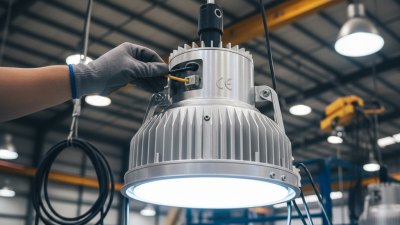
Next, gather the necessary tools. A drill, screws, and an adjustable wrench are typically required. Ensure you have a level to confirm proper alignment. When installing the fixtures, pay close attention to their angle. A slight misalignment can reduce efficiency. After placement, secure the lights firmly but do not overtighten.
Lastly, test the lights after installation. Make adjustments as needed. If they do not operate as expected, re-evaluate their positioning. Properly installed solar flood lights can provide significant benefits. Enjoy your well-lit outdoor area while reflecting on the installation experience.
Best Practices for Maintenance and Troubleshooting Solar Flood Lights
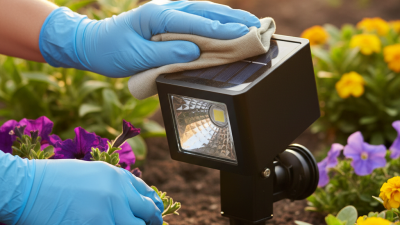
Maintaining solar flood lights is essential for optimal performance. Regular checks ensure that the solar panels are clean. Dust and debris can heavily impact their efficiency. A simple wipe down with a damp cloth can significantly improve solar absorption. Additionally, be mindful of the positioning of these lights. If they are obstructed by branches or other objects, their effectiveness diminishes.
Troubleshooting can often be straightforward. If lights do not turn on at night, check if they are receiving enough sunlight during the day. Sometimes the batteries may need replacing, especially after prolonged use. Monitor how well the Garden Flood Lights Solar function, especially after heavy storms or extreme weather. When issues arise, take a step back and assess the situation.
Many users overlook small details that can lead to bigger problems. For instance, loose connections can cause intermittent lighting. Ensure that all wiring is secure and protected from moisture. The joy of using solar flood lights lies in their convenience, but diligent maintenance is a must. Regular inspections and prompt fixes can prevent recurring issues.
2026 Solar Flood Lights Performance Comparison
Future Trends in Solar Flood Light Technologies
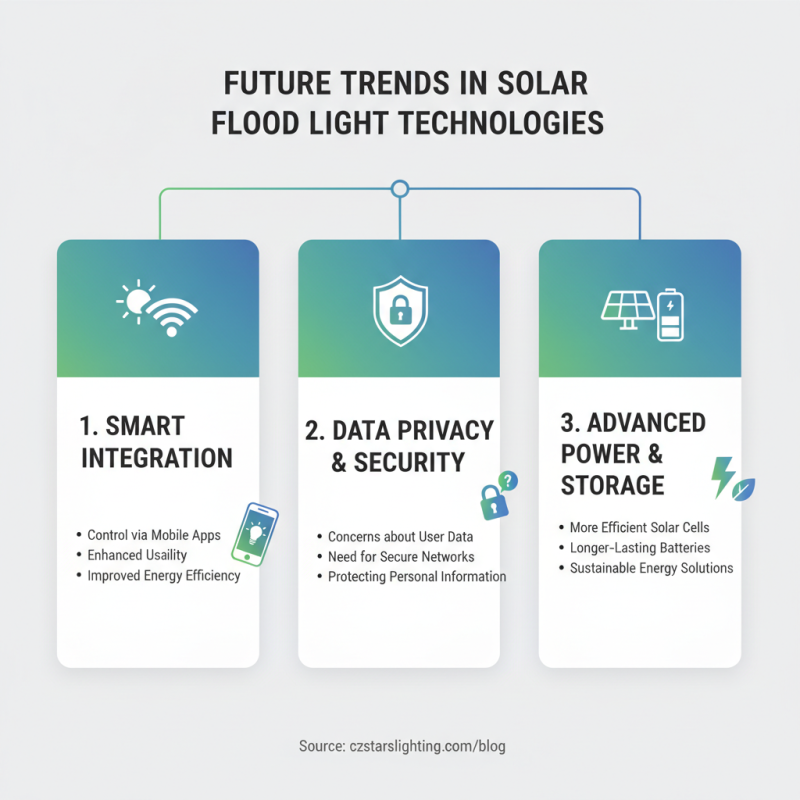
As we look toward the future of solar flood light technologies, several trends are emerging. The integration of smart technologies in Solar Panel Flood Lights is gaining traction. Smart features allow users to control lights through mobile apps. This can enhance usability and energy efficiency, but it also raises concerns about data privacy and security.
While solar flood lights have shown significant advancements, there are still areas needing improvement. The efficiency of solar panels is constantly evolving. However, factors like weather conditions and installation angles can impact performance. It's critical to consider these factors to optimize energy capture and storage.
Tips: Regular maintenance is essential. Clean your solar panels periodically to maximize their efficiency. Additionally, invest in quality batteries to ensure longevity. Monitor your system regularly, as early detection of issues can prevent larger problems. Installing a solar panel flood light can transform your space, but it requires careful planning and execution.
Conclusion
This article provides a comprehensive guide on how to install solar flood lights, emphasizing the importance of OEM and CE certification. Understanding these certifications is crucial for ensuring that solar lighting products meet safety and performance standards. The guide outlines the key requirements for obtaining CE certification, which is vital for both compliance and consumer trust.
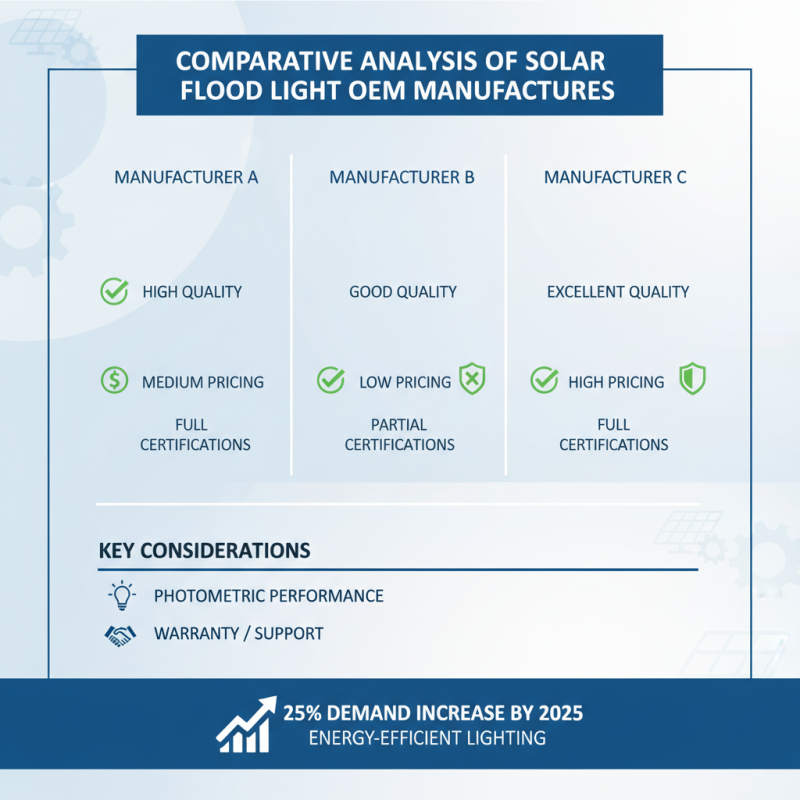
Additionally, the installation process is broken down into manageable steps, along with best practices for the maintenance and troubleshooting of solar flood lights. The article also includes a comparative analysis of various OEM manufacturers, which can help readers make informed choices for their lighting needs. Finally, it discusses future trends in solar flood light technologies, ensuring readers are well-prepared for advancements in this growing field.