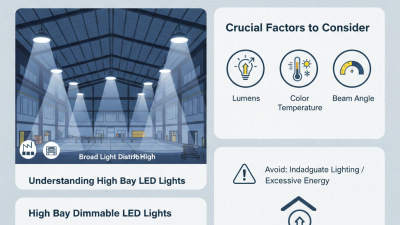
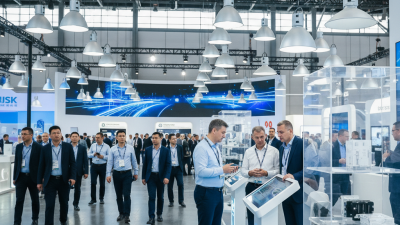
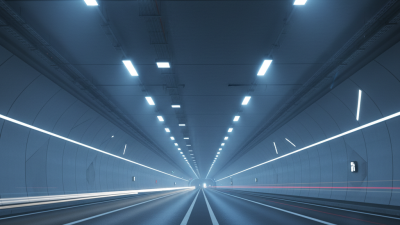
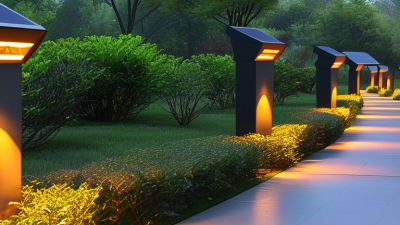
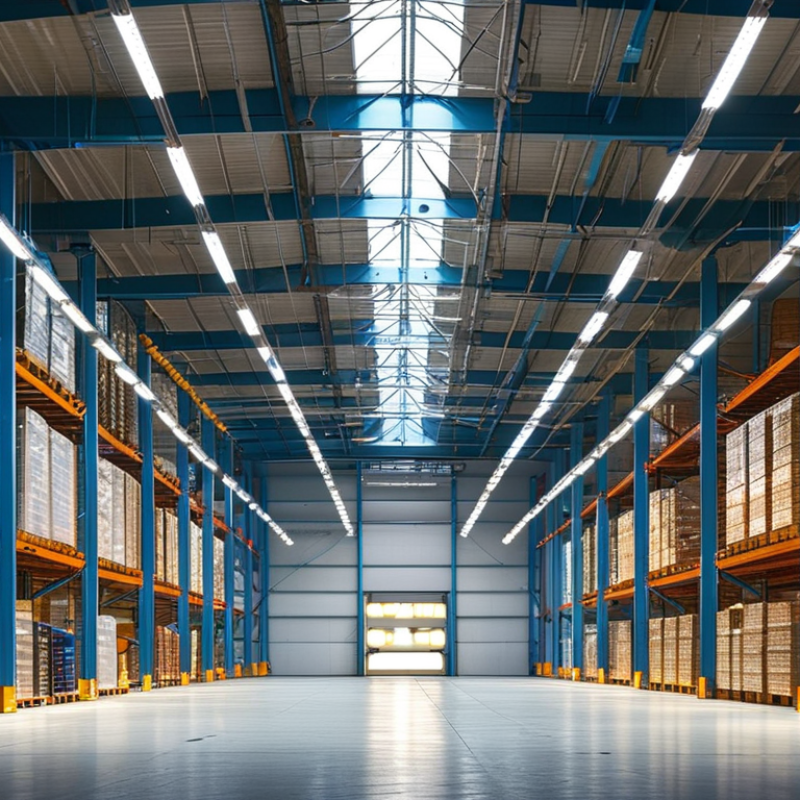
High Bay LED Lights have really changed the game when it comes to lighting solutions for big spaces—whether it's warehouses, gyms, or manufacturing floors. So, what exactly are these high bay LEDs? Basically, they're designed for ceilings that are 15 feet or taller, and they give off super bright light to cover large areas with ease. Plus, they're pretty energy-efficient, last a long time, and don’t break the bank, which is why they’re so popular in so many industrial settings.
Looking ahead to 2026, if you're scouting for the best high bay LED manufacturers, you'll want to keep an eye on companies that have CE Certification and can offer OEM options. Big names like Lithonia Lighting and Cree Inc. really stand out—they’ve nailed the engineering side of things and are committed to quality. Still, with so many options out there, picking the right one can feel a bit overwhelming.
Honestly, the quality of your lighting really matters. You want to make sure your chosen manufacturer meets industry standards and that reliability and performance aren’t just buzzwords. Getting it right not only keeps your place safe but also makes your energy bills more manageable. At the end of the day, the right high bay LED lights can seriously make a difference—improving workflows, cutting costs, and creating a safer, better-lit environment.
Overview of High Bay LED Lights and Their Applications
High bay LED lights are vital in various industrial and commercial settings. They provide bright illumination in spaces with high ceilings, such as warehouses, factories, and large retail stores. According to a report from the U.S. Department of Energy, LED lighting can save up to 75% in energy costs compared to traditional lighting options. This energy efficiency is crucial, especially as businesses seek sustainable solutions.
The application of High Bay Dimmable Led Lights enhances flexibility in lighting design. Businesses can adjust brightness levels based on specific needs. For instance, during peak operations, full brightness ensures safety and productivity. In contrast, dimming the lights during quieter hours saves energy without compromising workplace visibility. This adaptability is crucial for different operational requirements and plays a role in extending the lifespan of the lighting systems.
Despite these advantages, selecting the right high bay LED lights can be challenging. Factors such as light output, distribution, and color temperature must be carefully considered. Misjudgments can lead to insufficient lighting or unnecessarily high energy use, undermining the initial cost benefits. Additionally, with rapidly changing technology, staying updated on the latest LED solutions can be daunting for decision-makers.
Key Features of High Bay LED Lights for Industrial Use
High bay LED lights are essential for industrial spaces. They provide energy-efficient lighting, improving visibility in warehouses and factories. According to a report by the U.S. Department of Energy, high bay LED lights can save up to 75% more energy than traditional lighting. This significant reduction leads to lower electricity bills and a smaller carbon footprint.
One key feature of high bay LED lights is their long lifespan. Typically, these lights last between 50,000 to 100,000 hours. Fewer replacements mean less waste and reduced maintenance costs. Another advantage is their excellent brightness. Many products offer lumen outputs ranging from 10,000 to over 30,000. Such brightness enhances safety and productivity in large spaces.
Tips: When choosing high bay LED lights, consider the ceiling height and layout. Not all lights are suitable for every environment. It's also wise to check for CE certifications. This ensures compliance with European safety standards. Some manufacturers may not meet these standards, leading to potential risks. Always seek reliable solutions.
Understanding CE Certification Requirements for LED Products
Understanding CE certification is crucial for manufacturers of LED products. This certification ensures that products meet the essential health and safety standards set by the European Union. For LED lights, various requirements involve electrical safety, electromagnetic compatibility, and environmental impact. Manufacturers must pay close attention to these factors, as oversight can lead to costly redesigns or rejects in the market.
Obtaining CE certification requires thorough documentation and testing. Manufacturers must provide technical files that include the design, production process, and safety measures taken. Compliance with directives like the Low Voltage Directive (LVD) and the Electromagnetic Compatibility Directive (EMC) is necessary. Many companies struggle in this phase, often underestimating the complexity of these requirements.
CE marking is an assurance to consumers about the product's quality. However, it can be a challenge for manufacturers to navigate the regulations. Frequent updates to regulations mean that staying informed is essential. Some manufacturers may find themselves overwhelmed, risking non-compliance. Continuous improvement in processes and education about the standards is vital for success in the competitive LED market.
Top Manufacturers of High Bay LED Lights in 2026
High bay LED lights have gained immense popularity in industrial settings. Their efficiency and brightness make them ideal for large spaces such as warehouses and manufacturing plants. In 2026, several manufacturers are emerging as top contenders in this market. Their focus on CE certification ensures that products meet strict safety and environmental standards.
It's worth noting that not all manufacturers meet these high standards. Some may cut corners in quality control, which affects product longevity. Customers should conduct thorough research and seek experiences shared by others. Reliable suppliers offer transparent information about their manufacturing processes and testing standards. When exploring options, consider the importance of performance data and customer feedback. This helps to identify reliable producers of Industrial High Bay Led Lights.
Some manufacturers also provide OEM solutions, allowing customization for specific needs. However, these services can vary significantly in quality. Engaging with representatives and asking pointed questions can reveal much about their expertise. It’s crucial to weigh the pros and cons of different suppliers. This nuanced understanding fosters informed choices that could lead to more satisfactory lighting solutions in industrial environments.
OEM Solutions Offered by Leading High Bay LED Light Manufacturers
In recent years, the demand for efficient lighting solutions has surged, especially in industrial spaces. Many manufacturers focus on providing OEM solutions for high bay LED lights, which have the potential to significantly improve energy efficiency. According to the latest industry report, implementing these lights can decrease energy consumption by up to 70% in warehouses and factories. These statistics highlight the importance of partnering with expert manufacturers who understand the unique requirements of different sectors.
Leading high bay LED light manufacturers are stepping up their game by offering tailored OEM solutions. These solutions include custom designs, wattage variations, and advanced control systems to meet specific operational needs. For instance, manufacturers can help businesses choose the right Outdoor High Bay Led Lights based on the height of their ceilings, providing optimal brightness and coverage. However, not all custom solutions are perfect from the start. Some manufacturers struggle to balance performance with cost, leading to over- or under-engineered products.
Furthermore, ensuring CE certification is vital for international markets. Manufacturers must adhere to stringent standards, which may vary significantly across regions. This can complicate the OEM process. Companies should continuously evaluate and refine their production and certification processes. By doing so, manufacturers not only enhance the reliability of their products but also build trust with their clients, ultimately driving greater acceptance in the marketplace.
Comparative Analysis of Pricing and Quality Among Top Manufacturers
When choosing high bay LED lights, pricing and quality are crucial factors. Many manufacturers offer various solutions, making it essential to compare options effectively. Quality can often reflect in the materials used. Durable housing and efficient LED chips typically indicate better performance and longevity. However, the initial cost may seem higher for premium options.
Analyzing the pricing structures reveals stark differences. Some manufacturers emphasize low prices, sacrificing quality. This can lead to higher costs over time due to replacements. Others offer a mid-range price with decent reliability, striking a balance. Yet, customers should remain cautious about overly attractive deals without clear performance testimonials.
Customers often seek CE certification for assurance. This adds a layer of credibility but should not be the sole criterion for selection. Some manufacturers might focus on certification while neglecting component quality. Personal experiences vary, showing that just because a product is certified does not mean it meets all expectations. Balancing cost with dependable quality requires careful consideration.
2026 Best High Bay LED Lights Manufacturers for CE Certification OEM Solutions
| Manufacturer |
CE Certification |
OEM Solutions |
Average Price (USD) |
Quality Rating (1-5) |
| Manufacturer A |
Yes |
Available |
150 |
4.5 |
| Manufacturer B |
Yes |
Available |
180 |
4.2 |
| Manufacturer C |
Yes |
Limited |
200 |
4.8 |
| Manufacturer D |
Yes |
Available |
160 |
4.6 |
| Manufacturer E |
No |
Not Available |
140 |
4.0 |
Future Trends in High Bay LED Lighting Technology and Certification
The landscape of high bay LED lighting is evolving rapidly. A recent report from the International Energy Agency (IEA) indicates that the high bay lighting segment is projected to grow by approximately 12% annually through 2026. This growth is largely driven by advancements in energy efficiency and sustainability. The demand for aluminum housing and efficient thermal management systems is reshaping the manufacturing process.
CE certification has become essential. It assures customers of safety and quality. Manufacturers are focusing on compliance, and those that offer OEM solutions must continuously adapt to changing criteria. The integration of IoT technology in high bay lights also presents challenges. Energy usage data can enhance efficiency but also raises privacy concerns.
When considering Led Round High Bay Lights, understanding future trends is crucial. Industry experts emphasize the importance of durability and performance in varying environments. Data shows that up to 30% of businesses experience lighting failures due to poor heat dissipation. Companies need to address these issues to stay competitive and reliable.
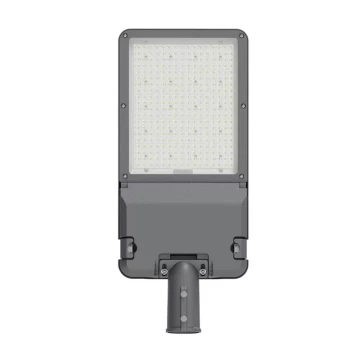
Maximizing Energy Efficiency: Insights from Industry Reports on Economic Type LED Street Lights (50W/100W/150W/200W IP65)
Maximizing energy efficiency in urban environments has become a critical focus for cities worldwide, especially regarding street lighting systems. Recent industry reports indicate that adopting economic type LED street lights, ranging from 50W to 200W, can lead to significant savings in energy consumption. These LED lights not only offer an impressive lumen efficiency of over 150lm/W but also utilize materials like die-casting aluminum and tempered glass to ensure durability and longevity.
The flat honeycomb design of these LED street lights enhances heat dissipation, contributing to their efficiency. Advanced features such as professional glare-free lenses with varying beam angles (60°, 90°, 120°, and more) allow for precise lighting control, catering to diverse urban applications. Additionally, options for 0-10V dimming, time control, and light sensors create further opportunities for optimizing energy use. The practicability of adjusting the angle of the mounting shaft up to 180° helps in achieving the desired illumination without compromising on performance.
With an IP65 rating for water and dust resistance, these LED street lights are designed to withstand harsh environmental conditions. Many products in this category come with a warranty of 3-5 years, reflecting industry confidence in their reliability. Investing in these energy-efficient LED street lights not only contributes to sustainable urban development but also aligns with global efforts to reduce carbon footprints and environmental impacts.
FAQS
: High bay LED lights are perfect for large areas like warehouses and manufacturing plants. They provide high efficiency and brightness.
CE certification ensures that products meet safety and environmental standards. This is crucial for international markets.
Implementing these lights can cut energy usage by up to 70%. This is important for improving operational efficiency.
Customers need to research quality control and performance data. Feedback from others is also valuable in making choices.
Yes, many manufacturers provide OEM solutions that include custom designs and wattage variations. Quality can vary widely.
Engaging with representatives and asking specific questions can reveal their expertise. This helps in making informed decisions.
Not all custom solutions are perfect. Some struggle to balance performance with cost, leading to potential issues.
Variations in certification standards across regions can complicate the OEM process. Continuous evaluation is necessary for improvement.
Customer feedback helps identify reliable manufacturers. It also guides future improvements and innovation in lighting solutions.
By refining production and certification processes, manufacturers enhance product reliability. This builds strong relationships with customers.
Conclusion
High bay LED lights are essential lighting solutions designed for high-ceiling spaces such as warehouses, factories, and large retail environments. What are high bay LED lights? They provide powerful illumination while being energy-efficient, making them a popular choice for industrial applications. Their key features include high lumen output, long lifespan, and durability to withstand harsh conditions.
In 2026, the landscape for high bay LED lights continues to evolve, with manufacturers focusing on CE certification compliance to ensure safety and quality. Leading manufacturers offer OEM solutions, enabling customization to meet specific client needs. A comparative analysis reveals that while pricing can vary, the emphasis remains on balancing quality and cost-effectiveness. Moreover, future trends indicate advancements in smart lighting technology, further enhancing the functionality of high bay LED lighting systems.